
🔍 Read the full analysis: Anthropic’s Claude: The Pirated Books Allegations And What Comes Next on ThorstenMeyerAI.com

Get business pricing on office and shipping supplies
- Business-only prices and quantity discounts
- Tax-exempt purchasing
- Multiple users, one account, clear invoices
TL;DR
A federal judge ruled in June 2025 that Anthropic’s use of books to train Claude was fair use, but that keeping pirated book collections was not. Anthropic later agreed to a court-approved $1.5 billion settlement covering about 500,000 books; new lawsuits by authors who opted out have not been decided. Anthropic disputes wrongdoing and says those collections were not used to train commercially released models.
New lawsuits from authors who opted out of Anthropic’s book-copyright settlement remain unresolved, months after a federal court approved a $1.5 billion settlement over the company’s downloads of pirated books. The underlying 2025 ruling drew a distinction that matters to the claims: Judge William Alsup found that training Claude on books was fair use, but said Anthropic’s copying and retention of pirated collections was not.
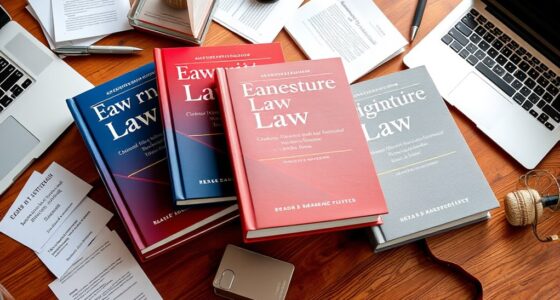
The case that produced the ruling, Bartz v. Anthropic, was brought by three authors in August 2024. In an order dated June 23, 2025, Alsup said Anthropic’s use of books to train its language models was transformative and fair use. He also found that scanning books Anthropic had bought was fair use. But his order treated downloading and keeping books from pirated collections as a separate issue: it described more than seven million book copies from Books3, Library Genesis and the Pirate Library Mirror, and found that the authors’ account of the copying was not excused by fair use.
The settlement, finally approved in July 2026, covers owners of about 500,000 registered books that Anthropic downloaded from Library Genesis or the Pirate Library Mirror. It provides roughly $3,000 per book before fees, for a total of $1.5 billion, paid in instalments. Anthropic must destroy the downloaded books and copies, subject to legal-hold requirements. The settlement releases claims over past conduct through August 25, 2025, but does not release claims concerning Claude’s outputs.
Anthropic has denied wrongdoing. In settlement materials, the company represented that neither the LibGen nor PiLiMi datasets, nor portions of them, were in the training corpus of any commercially released large language model. The settlement resolves the claims covered by its terms; it is not a ruling that all allegations in later cases are true or a licence for future training on copyrighted books.
From download to IPO
Five years, one ruling, no trial
The piracy happened in 2021 and 2022. The only ruling came in 2025. The new lawsuits are years away from a verdict.
- Jun 2021 · Jul 2022DownloadsAt least 5 million copies from LibGen (2021), at least 2 million from PiLiMi (2022); 196,640 from Books3 earlier.
- Aug 2024Bartz v. Anthropic filedThree authors sue Anthropic, on behalf of a class of book owners.
- 23 Jun 2025Judge Alsup's orderTraining on books: fair use. Scanning bought books: fair use. Pirated library copies: not fair use, to trial.
- Sep 2025$1.5 billion settlementNo trial. Anthropic denies wrongdoing; release covers conduct up to 25 Aug 2025 only.
- 13 + 15 May 2026Opt-out suitsCruz (28 plaintiffs) and Kwon (incl. Chang-rae Lee) join Cambronne and two publisher suits.
- Jul 2026Final approvalSettlement approved. Anthropic: no opt-out deal "above the Bartz claim value".
- 24 Sep 2026Motion to dismissAnthropic: claims too late, no infringing output shown, many works already released.
- 26–27 Oct 2026NowS-1 and the headlineIPO filing cites Bartz as a risk; The Stanford Daily names Stanford authors.
- 17 Dec 2026ScheduledHearingCourt hears the motion to dismiss.
- May 2027 · Jan 2028ScheduledDiscovery, then trial settingFact discovery closes 13 May 2027; trial-setting conference 11 Jan 2028.
Sources: Bartz v. Anthropic, order of 23 June 2025; settlement FAQ; joint case statement, 27 Aug 2026; Anthropic letter, 27 Jul 2026; case management order, 14 Sep 2026; Anthropic S-1, 26 Oct 2026; The Stanford Daily, 27 Oct 2026. Scheduled dates can move.
Powered by Thorsten Meyer AI
Why the Ruling Draws a Line
The dispute is consequential because it separates how a model learns from how a company obtains and stores the material used in its development. The 2025 order supports the possibility that training on books can qualify as fair use, while finding that copying and retaining pirated collections can create separate copyright liability. That distinction may shape negotiations and court arguments across the generative-AI industry.
The settlement also sets a substantial financial benchmark for the claims it covers, but it does not settle every question about AI training or outputs. Authors who opted out can pursue their own claims, and courts have not yet determined whether those allegations succeed. For readers, writers and AI companies, the next cases may clarify what legal exposure remains after the settlement and how far its findings apply beyond the books and conduct in the original case.
Products Worth Considering

Brother TD-2020A 2‑Inch Direct Thermal Desktop Label Printer with USB

LG 34GX90SA-W 34-inch Ultragear WQHD OLED Curved Gaming Monitor

Samsung 27 Odyssey OLED G5 (G50SF) QHD QD-OLED Gaming Monitor
As an affiliate, we earn on qualifying purchases.
From the 2025 Order to New Suits
Accounts of the case have sometimes described the court as having ruled that Anthropic’s training itself was illegal. That is not what Alsup decided. His June 2025 order found the training at issue to be fair use; it separately rejected the use of pirated copies as a source for a permanent library. The pirated-download issue was not decided after a full trial: the order was a pretrial ruling that accepted the authors’ account of relevant facts, and the parties settled before a jury determined remaining matters such as damages.
The settlement covers registered works and past conduct, rather than granting a general right to use books. Authors who opted out have since filed separate cases. The source material identifies novelist Chang-rae Lee as a named plaintiff in one of those actions, but says it could not verify Tobias Wolff’s name among plaintiffs in five related cases listed through August 2026. A Stanford Daily report identified several Stanford-associated authors and said ten of Wolff’s works were affected; that book list was not independently checked against the settlement database in the source material.
Some viral descriptions of Anthropic’s public offering filing have also mixed its language with broader claims. The source material says the company’s S-1 describes model behavior “resembling blackmail,” in a discussion that includes a staged safety test, and refers to debate about possible AI sentience and existential concerns raised by others. It does not say Claude is sentient or that the model will blackmail people or end humanity.
““neither the LibGen or PiLiMi datasets, nor any portions of those datasets, were in the training corpus of any of its commercially released large language models.””
— Anthropic, in settlement materials
Claims Still Before the Court
The new opt-out cases have not been decided, and no ruling in May 2026 established that Anthropic illegally trained Claude, despite wording reported in a Stanford Daily headline. The source material says a hearing on Anthropic’s motion to dismiss is set for December 17, 2026. The allegations and the company’s responses will need to be assessed in those proceedings.
There is also a distinction in the record between the judge’s finding about pirated copies and Anthropic’s statement about training corpora. The 2025 order described portions of pirated collections as used to train some models, while Anthropic’s settlement representation said the LibGen and PiLiMi datasets, or portions of them, were not in the training corpus of commercially released models. The source material does not resolve how those descriptions relate across model versions or training stages. The precise status of every author and book named in media reports also remains unverified here.
December Hearing and Remaining Claims
The next listed court milestone is the December 17, 2026 hearing on Anthropic’s motion to dismiss the opt-out authors’ claims. A hearing is not a final decision on liability; the court may rule on the motion afterward, and further proceedings could follow if claims remain active.
Meanwhile, the settlement’s payments and destruction obligations continue on the schedule described in the source material, with a final $450 million instalment due by September 27, 2027. Further court filings may clarify which authors and works are covered by the new actions and how the claims relate to the settled case. Until then, the established record is narrower than some headlines suggest: the court found training fair use in the original case, rejected the pirated-library downloads, and did not decide the new authors’ claims.
Key Questions
Did the court rule that training Claude on books was illegal?
No. In June 2025, Judge William Alsup found that training Claude on books in the case before him was fair use. He treated downloading and keeping pirated books as a separate matter and found that conduct was not excused by fair use.
What does the $1.5 billion settlement cover?
The settlement covers claims over past conduct through August 25, 2025, for owners of about 500,000 registered books downloaded from Library Genesis or the Pirate Library Mirror. Its terms require destruction of the downloaded books and copies, subject to legal-hold obligations. It does not release claims about Claude’s outputs.
Has Anthropic admitted that pirated books trained commercially released Claude models?
Anthropic denies wrongdoing and represented in settlement materials that the LibGen and PiLiMi datasets, or portions of them, were not in the training corpus of its commercially released large language models. The source material describes a tension between that statement and the 2025 court record; it does not fully reconcile the accounts.
What happens to the authors who opted out?
Their lawsuits remain unresolved. The source material lists a December 17, 2026 hearing on Anthropic’s motion to dismiss. No outcome on those claims is established yet.
Source: ThorstenMeyerAI.com