

Independent Sales Organizations (ISOs) act as essential connectors between you and payment processors, helping you find the right solutions for accepting electronic payments. They build trust and offer personalized support, tailoring services to your business needs. ISOs also stay current with industry trends and technology, ensuring you get the best and most secure payment options. If you’d like to understand how they can help your business thrive, there’s more to discover beyond this summary.
Key Takeaways
- ISOs act as intermediaries connecting merchants with acquiring banks for payment processing solutions.
- They focus on building long-term relationships by understanding merchant needs and offering tailored services.
- ISOs stay updated on industry trends and new payment technologies to provide innovative solutions.
- They collaborate with banks and processors to negotiate better rates and pass benefits to merchants.
- ISOs educate merchants on regulations, compliance, and emerging payment methods to enhance their operations.

Independent Sales Organizations (ISOs) play a essential role in the merchant services industry by acting as intermediaries between merchants and acquiring banks. They serve as the bridge that connects businesses seeking payment processing solutions with the financial institutions that facilitate these transactions. Your role as an ISO involves not only providing payment processing services but also developing effective sales strategies to attract and retain merchants. By understanding the nuances of payment processing, you can better communicate the benefits of your offerings, such as faster transactions, security features, and seamless integration with existing systems. This knowledge allows you to tailor your sales pitches to meet specific merchant needs, making your services more appealing and trustworthy.
ISOs connect merchants with banks, offering tailored payment solutions that enhance security, speed, and integration to build trust and loyalty.
Your sales strategies are critical in differentiating your ISO from competitors. Successful ISOs focus on building relationships rather than just closing deals. You need to identify the unique pain points of each merchant, whether it’s reducing transaction fees, improving customer experience, or expanding payment options. By positioning yourself as a problem solver, you create trust and loyalty, which lead to long-term partnerships. Implementing a consultative sales approach often proves effective; you ask questions, listen carefully, and recommend tailored solutions that align with the merchant’s business model. This customer-centric method not only boosts your sales but also enhances the reputation of your ISO.
In the sphere of payment processing, your ability to stay current with industry trends and technology developments is essential. As new payment methods emerge—such as mobile wallets, contactless payments, and digital currencies—you must be prepared to offer these options to your merchants. Educating your clients about these innovations and demonstrating how they can streamline operations or increase sales creates added value. Your sales strategies should incorporate ongoing education and support, positioning you as a reliable partner rather than just a service provider. This approach encourages merchants to upgrade their systems and stay competitive in a rapidly evolving marketplace. Additionally, understanding industry regulations and compliance standards is vital to maintain trust and avoid potential legal issues.
Furthermore, your success depends on establishing a solid network of relationships with acquiring banks and payment processors. Collaborating effectively within this network allows you to negotiate better rates and services, which you can then pass on to your merchants. This symbiotic relationship enhances your credibility and helps you deliver superior payment processing solutions. Ultimately, your role as an ISO is to combine a deep understanding of payment processing with strategic sales techniques, ensuring your merchant clients receive top-tier service that drives their growth and success.

Square Terminal – Credit Card Machine to Accept All Payments | Mobile POS
With Square Terminal, you can ring up sales, accept payments, and print receipts, all with one device. Use…
As an affiliate, we earn on qualifying purchases.
As an affiliate, we earn on qualifying purchases.
Frequently Asked Questions
How Do ISOS Earn Commissions From Merchant Services?
You earn commissions from merchant services through various commission structures, such as flat fees, percentage-based fees, or residuals. When you sign up merchants, you typically receive a percentage of the processing fees they pay. Additionally, referral incentives motivate you to bring in new clients, offering bonuses or higher commissions. Your earnings depend on the volume of transactions processed and the specific agreement you have with the service provider.
What Are the Main Differences Between ISOS and MSPS?
You’ll find ISOs focus on building strong partnership dynamics with merchants and providers, often acting as intermediaries. MSPs, however, typically manage technology and security, ensuring compliance and handling regulatory variations. While ISOs prioritize sales and customer relationships, MSPs concentrate on technical solutions and ongoing support. Both operate within regulatory frameworks, but MSPs often require more technical expertise, making the main difference their core functions and emphasis in merchant services.
How Do ISOS Impact Merchant Customer Relationships?
You might not realize it, but ISOs markedly influence your merchant customer relationships. They build trust through personalized service, fostering loyalty and confidence. By tailoring solutions to your needs and providing dedicated support, ISOs strengthen your connection with customers. This personalized approach keeps customers satisfied, ensuring they feel valued. Ultimately, ISOs help you develop lasting relationships rooted in customer trust, which can boost your business growth and reputation over time.
Are ISOS Regulated Differently Across States or Countries?
Yes, ISOs are regulated differently across states and countries. You need to be aware of state regulations that can vary considerably, affecting licensing requirements and compliance standards. International licensing also plays a role if you operate outside your home country, as different jurisdictions impose specific rules. Staying informed about these regulations helps you avoid legal issues and ensures your ISO activities remain compliant across various regions.
What Are Common Challenges ISOS Face in the Industry?
You face stiff market competition, with over 400,000 ISOs nationwide, making differentiation tough. Regulatory compliance adds complexity, as staying current with evolving rules demands constant vigilance. You often struggle to build trust with merchants amid fierce rivalry, while managing costs and expanding your reach. Balancing these challenges requires agility and knowledge, ensuring you meet industry standards and stand out in a crowded marketplace.
Square Terminal – Credit Card Machine to Accept All Payments | Mobile POS
With Square Terminal, you can ring up sales, accept payments, and print receipts, all with one device. Use…
As an affiliate, we earn on qualifying purchases.
As an affiliate, we earn on qualifying purchases.
Conclusion
As you consider partnering with an ISO, remember they’re here to simplify your payment processing and expand your business reach. They offer personalized support and access to a variety of solutions tailored to your needs. Isn’t it worth exploring how an ISO can help you grow and stay competitive in today’s fast-paced market? By choosing the right partner, you’re not just accepting payments—you’re building a foundation for lasting success.
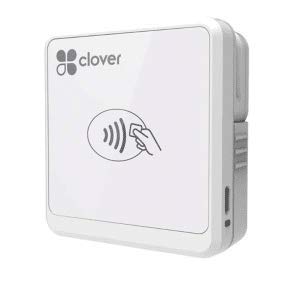
Clover Go Contactless Reader – EMV/Chip Ready – No Merchant Account Required
Quantities of this version are limited and/or end of life. Orders may be fulfilled with the most current…
As an affiliate, we earn on qualifying purchases.
As an affiliate, we earn on qualifying purchases.

Digital Shield Air-Gapped Crypto Hardware Wallet – CC EAL6+ Secure Element Cold Storage, 100% Open Source Audited, Offline QR Signing for Bitcoin Ethereum Solana 5000+ Coins, Self-Custody Multi-Chain
Your private keys never leave the most trusted hardware. Digital Shield integrates a certified CC EAL6+ secure chip…
As an affiliate, we earn on qualifying purchases.
As an affiliate, we earn on qualifying purchases.