

To practice ethical selling in payment services, focus on transparency and honest communication. Clearly explain all fees, processing times, security measures, and limitations, so customers can make informed decisions. Avoid high-pressure tactics and prioritize building trust through integrity and education. By fostering long-term relationships and acting as a trusted advisor, you demonstrate your commitment to your customers’ best interests. Keep exploring to discover more ways to uphold ethical standards in your sales approach.
Key Takeaways
- Maintain transparency about fees, processing times, and security features to build customer trust.
- Prioritize honest communication over aggressive sales tactics to foster long-term relationships.
- Educate customers on payment solutions to enable informed decision-making aligned with their needs.
- Avoid high-pressure sales approaches; instead, act as a trusted advisor committed to customer best interests.
- Disclose product limitations and potential risks openly to uphold integrity and reinforce customer confidence.

Have you ever wondered what sets ethical selling apart from aggressive or dishonest tactics? The answer lies in a commitment to customer transparency and honest communication. When you prioritize these principles, you build trust and foster long-term relationships rather than just making quick sales. Ethical selling isn’t about pushing products or services at all costs; it’s about ensuring your customers fully understand what they’re getting and feel confident in their decisions. In the domain of payment services, this approach is especially essential because financial transactions involve sensitive information and significant commitments. Employing trust-building strategies like transparency and honesty helps solidify customer confidence and loyalty.
Customer transparency means being open about all aspects of your payment solutions, including fees, processing times, security measures, and any limitations. When you clearly communicate these details, your customers don’t have to guess or worry about hidden costs or misunderstandings. Instead, they can make informed choices based on accurate information. Honest communication extends beyond just transparency—it’s about being truthful even when the truth might not immediately benefit you. For example, if a particular payment feature isn’t suitable for a customer’s needs, it’s better to suggest alternatives than to oversell a less appropriate option. This honesty demonstrates integrity and earns respect.
Being transparent about fees, limitations, and security builds trust and empowers informed customer decisions.
By practicing ethical selling, you avoid the pitfalls of high-pressure tactics that can make customers feel rushed or manipulated. Instead, you give them the space to consider their options and ask questions. When you’re transparent and honest, your customers see you as a trusted advisor rather than just a salesperson. This trust encourages loyalty and positive word-of-mouth, which are essential in the competitive world of payment services.
Furthermore, ethical selling involves educating your customers about their choices. Instead of just listing features, you take the time to explain how different payment solutions work and why certain options might be better suited to their needs. This level of honesty and transparency empowers your clients and shows that your primary goal is their best interest, not just closing a deal.
In the end, ethical selling in payment services is about creating a transparent environment where honesty is the foundation. When you communicate openly and honestly, you’re not just selling a product—you’re building a relationship based on trust. This approach not only benefits your reputation but also results in satisfied customers who appreciate your integrity and are more likely to stay loyal in the long run.

8 Seconds Processing P1: Touchscreen Credit Card Machine – WiFi & 4G POS with Built-in Receipt Printer
- Reliable Processing: Secure merchant onboarding and fast payouts
- Versatile Payment Acceptance: Supports Tap, EMV, Magnetic Swipe, Mobile Wallets
- Fast Hybrid Connectivity: Dual Ethernet and WiFi for stable transactions
As an affiliate, we earn on qualifying purchases.
As an affiliate, we earn on qualifying purchases.
Frequently Asked Questions
How Do Ethical Practices Vary Across Different Payment Service Providers?
You’ll find ethical practices vary across payment service providers, especially in areas like transaction transparency and fraud prevention. Some prioritize clear communication about fees and data use, while others might not be as upfront. You should look for providers who openly disclose transaction details and actively prevent fraud, ensuring your safety and trust. By choosing ethically committed providers, you help promote responsible payment practices and protect your financial interests.
What Are Common Pitfalls to Avoid in Ethical Selling?
Like walking a tightrope, avoiding pitfalls in ethical selling is essential. You should steer clear of misleading advertising, which can deceive customers, and avoid high-pressure tactics that push people into quick decisions. Instead, focus on transparency and honesty in your communication, making sure clients understand the benefits and limitations of your payment services. By doing so, you build trust and foster long-term relationships rather than risking damage through unethical practices.
How Can Consumers Identify Ethical Payment Service Companies?
You can identify ethical payment service companies by looking at customer reviews and transparency indicators. Read reviews to see if others report honest dealings and good customer support. Check transparency indicators like clear fee structures, privacy policies, and licensing information. If a company openly shares this info and has positive reviews, it’s more likely to prioritize ethical practices. Trust your instincts and choose providers that demonstrate honesty and transparency.
Are There Legal Consequences for Unethical Sales Tactics?
Sure, if you’re planning to bend the truth, think again—there are legal repercussions for unethical sales tactics. Regulatory compliance keeps companies in check, and authorities don’t take kindly to shady practices. You could face hefty fines, lawsuits, or even criminal charges. So, if you value your reputation and freedom, stick to honest methods. Remember, ethical sales aren’t just good for customers—they’re good for your business longevity too.
How Does Ethical Selling Impact Customer Trust and Retention?
Ethical selling markedly boosts your customer trust and retention. When you prioritize honesty and transparency, you build trust with your clients, showing them you value their best interests. This trust fosters long-term relationships, encouraging brand loyalty. Customers are more likely to stick with you if they believe you’re genuine and dependable. Ultimately, ethical selling creates a positive reputation that attracts new clients and keeps existing ones loyal, strengthening your overall brand.

As an affiliate, we earn on qualifying purchases.
Conclusion
By embracing ethical selling practices, you create trusting relationships that naturally encourage loyalty. When you prioritize transparency and honesty, customers feel valued and respected, making your services more appealing. Remember, a gentle approach and genuine care go a long way in fostering positive connections. When you sell ethically, everyone wins — your reputation, your clients, and your business thrive in harmony. Keep kindness at the heart of your sales, and success will follow effortlessly.
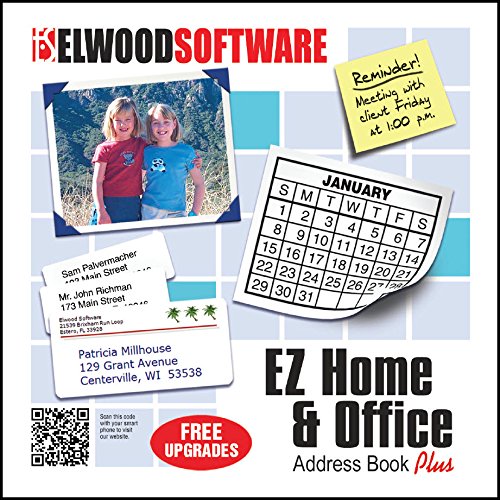
EZ Home and Office Address Book Software
- Compatible with Windows OS: Supports Windows 11, 10, 8, 7, Vista, XP
- Multiple printable formats: Three address book formats for printing
- Sort contacts easily: Sort by first or last name
As an affiliate, we earn on qualifying purchases.
As an affiliate, we earn on qualifying purchases.

PAYMENT AND SHIPPING ESSENTIALS: Returns, Packaging, and Customer Service for Online Stores
As an affiliate, we earn on qualifying purchases.
As an affiliate, we earn on qualifying purchases.