To build a business plan for a merchant services company, start by analyzing your target market to understand customer needs and identify gaps in current payment solutions. Define your revenue streams such as transaction fees and value-added services, and craft effective sales and marketing strategies to reach your prospects. Create realistic financial projections to guide your growth. Continue exploring these steps to develop a solid plan that positions you for success in a competitive industry.
Key Takeaways
- Conduct comprehensive market research to identify customer needs, competitors, and industry trends for targeted positioning.
- Define clear revenue streams such as transaction fees, leasing, and value-added services to ensure financial stability.
- Develop tailored sales and marketing strategies focusing on industry channels and relationship building with financial institutions.
- Prepare accurate financial projections including startup costs and earnings forecasts to attract investors and guide growth.
- Create a data-driven business plan emphasizing market analysis, revenue models, marketing strategies, and financial stability.

Creating a solid business plan is indispensable when starting a merchant services company because it provides a clear roadmap for your venture’s success. One of the first steps you need to take is conducting a thorough market analysis. This means researching your target market, understanding the needs of potential clients, and identifying your competitors. You want to know who your ideal customers are, what payment processing solutions they currently use, and where gaps exist that you can fill. By analyzing industry trends and customer preferences, you can tailor your services to meet demand and stand out in a competitive landscape. Knowing the size of your target market and growth potential helps you set realistic goals and allocate resources more effectively. This insight also informs your marketing strategy and sales approach, guaranteeing you’re reaching the right audiences with compelling messaging.
Conduct thorough market analysis to identify customer needs, competitors, and industry trends for business success.
Next, focus on defining your revenue streams. As a merchant services provider, you’ll generate income through various channels, such as transaction fees, monthly service charges, equipment leasing, and value-added services like fraud protection or customer analytics. It’s vital to identify all potential revenue sources early on so you can forecast earnings accurately. Consider how pricing will be structured for different clients or industries, and plan for scalable growth. Your revenue streams will influence your financial projections, funding needs, and long-term sustainability. Diversifying income sources can help stabilize your business against fluctuating market conditions, while clear pricing strategies ensure profitability.
A strong business plan also outlines your sales and marketing strategies, which are directly tied to your market analysis and revenue streams. Understanding your target market helps you craft messaging that resonates and choose the right channels to reach prospective clients. Whether through direct sales, partnerships, or digital marketing, your approach should reflect your knowledge of customer preferences and industry trends. As you develop your plan, keep in mind the importance of building relationships with financial institutions and payment networks, as these partnerships are critical for smooth transaction processing and revenue flow. Additionally, considering the importance of personality traits in client interactions can enhance your relationship-building efforts and improve customer retention.
Finally, your plan should include financial projections based on your market analysis and revenue streams. Estimate startup costs, ongoing expenses, and projected earnings over the next three to five years. This financial clarity not only guides your decision-making but also attracts investors or lenders who want to see a realistic, data-driven plan. By thoroughly addressing your market analysis and revenue streams, you set a solid foundation for your merchant services company, increasing your chances of long-term success and growth.

Survive and Thrive in the Merchant Services Industry
As an affiliate, we earn on qualifying purchases.
As an affiliate, we earn on qualifying purchases.
Frequently Asked Questions
How Do I Estimate Startup Costs Accurately?
You can estimate startup costs accurately by conducting thorough market research to identify industry standards and typical expenses. Create a detailed cost breakdown covering equipment, licensing, marketing, and staffing. Ask for quotes from vendors, and consider hidden costs like legal or administrative fees. Revisit and adjust your estimates regularly to reflect real-world prices, ensuring your budget remains realistic and sufficient to launch and sustain your merchant services business effectively.
What Are the Key Legal Considerations for Merchant Services?
Think of legal considerations as the foundation of your business house. You must guarantee contract compliance to avoid disputes and stay aligned with industry standards. Data security is paramount; protecting customer information safeguards your reputation and complies with laws like PCI DSS. Stay updated on licensing requirements, and draft clear contracts with clients and vendors. By doing so, you build trust and avoid costly legal pitfalls that could undermine your merchant services venture.
How Can I Differentiate My Merchant Services Offering?
To differentiate your merchant services offering, focus on enhancing customer engagement through personalized solutions and outstanding support. Conduct thorough competitive analysis to identify gaps and opportunities in the market. By tailoring your services to meet specific client needs and providing exceptional user experiences, you stand out from competitors. Staying innovative and responsive helps build loyalty, making your offerings more appealing and distinct in a crowded marketplace.
What Are Common Challenges in Launching a Merchant Services Company?
About 60% of new merchant services companies face onboarding delays. You’ll likely encounter challenges with customer onboarding and merchant onboarding, which can slow growth. Ensuring smooth integration and clear communication is key. You must streamline processes, train staff effectively, and offer excellent support to overcome these hurdles. Staying proactive helps you build trust and maintain competitive advantage, making your launch more successful and sustainable in the long run.
How Do I Forecast Revenue Growth Effectively?
You forecast revenue growth effectively by conducting thorough market analysis and understanding customer segmentation. Start by analyzing industry trends and identifying target markets to estimate potential sales. Segment your customers based on their needs, size, and transaction volume, then project revenue for each group. Regularly update your forecasts with new data, monitor market shifts, and adjust your strategies accordingly to stay accurate and optimize growth potential.

Square Terminal – Credit Card Machine to Accept All Payments | Mobile POS
With Square Terminal, you can ring up sales, accept payments, and print receipts, all with one device. Use…
As an affiliate, we earn on qualifying purchases.
As an affiliate, we earn on qualifying purchases.
Conclusion
Now that you’ve got a solid business plan in place, you’re ready to hit the ground running. Remember, Rome wasn’t built in a day, so stay patient and persistent as you grow your merchant services company. Keep refining your strategies, listen to your customers, and adapt to changes along the way. With dedication and a clear roadmap, you’ll turn your vision into reality—proving that success is just around the corner if you don’t throw in the towel.

Financial Modeling for Business Owners and Entrepreneurs: Developing Excel Models to Raise Capital, Increase Cash Flow, Improve Operations, Plan Projects, and Make Decisions
As an affiliate, we earn on qualifying purchases.
As an affiliate, we earn on qualifying purchases.
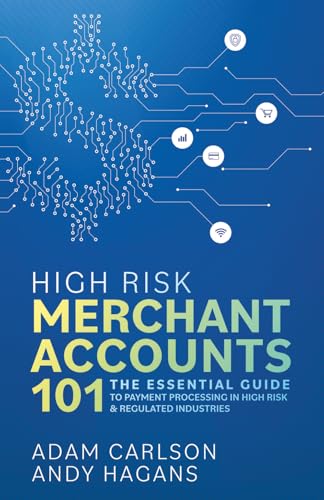
High Risk Merchant Accounts 101: The Essential Guide to Payment Processing in High Risk & Regulated Industries
As an affiliate, we earn on qualifying purchases.
As an affiliate, we earn on qualifying purchases.