
Understanding payment authorization rates varies by business model because each faces unique challenges. For online businesses, automation and real-time analytics help maximize approval rates, while subscription services need proactive strategies to recover declined payments. Physical stores rely on staff training and point-of-sale verification, and fraud prevention must balance security with customer experience. By exploring these differences, you’ll discover tailored approaches to improve approval rates and keep transactions smooth—more insights await to enhance your payment processes.
Key Takeaways
- Different business models face unique authorization challenges, influencing approval and decline rates.
- Subscription services often encounter recurring billing issues requiring targeted verification strategies.
- High-volume online retailers benefit from automation and real-time analytics to optimize authorization rates.
- Physical stores rely on point-of-sale verification and staff training to enhance transaction approval.
- Continuous monitoring and adapting fraud prevention measures are essential across various business models.

Understanding payment authorization rates is essential if you want to enhance your transaction processes. When a customer makes a purchase, the payment authorization stage is where the issuer bank approves or declines the transaction. Your success depends heavily on maintaining high authorization rates, which means fewer legitimate transactions are declined and more sales are completed smoothly. Different business models, such as online retailers, subscription services, or brick-and-mortar stores, face unique challenges in achieving ideal authorization rates. Recognizing these differences helps you tailor your approach to improve approval rates and reduce unnecessary declines.
High authorization rates are vital for smoother transactions and increased sales across various business models.
One critical factor influencing authorization rates is fraud prevention. You need a robust system to identify and block fraudulent transactions without creating friction for legitimate customers. If your fraud prevention measures are too strict, genuine customers might get declined, negatively impacting your authorization rate. Conversely, too lenient measures could lead to increased fraud, financial losses, and compromised customer trust. Finding the right balance requires sophisticated fraud detection tools that analyze transaction patterns, device information, and other signals in real-time. This way, you can confidently approve authentic transactions while minimizing fraud risks. Incorporating fraud detection tools that adapt to emerging threats is essential to maintaining optimal authorization rates.
Customer verification plays a crucial role in ensuring a smooth authorization process. When your system effectively verifies customer identities—through methods like 3D Secure, biometric authentication, or real-time identity checks—you reduce the likelihood of declines due to suspicious activity or verification failures. Clear communication during the verification process also helps customers understand what’s needed, reducing frustration and cart abandonment. For online businesses, seamless customer verification can markedly boost authorization rates, especially when integrated smoothly into the checkout flow. Additionally, understanding your business model’s unique transaction challenges allows for more tailored verification strategies that address specific vulnerabilities.
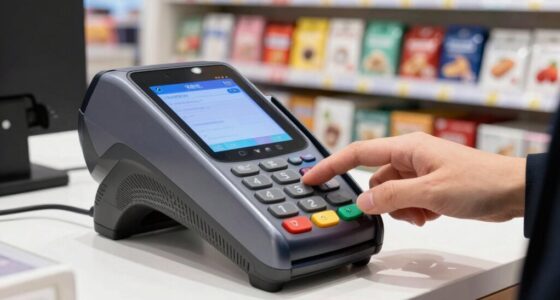
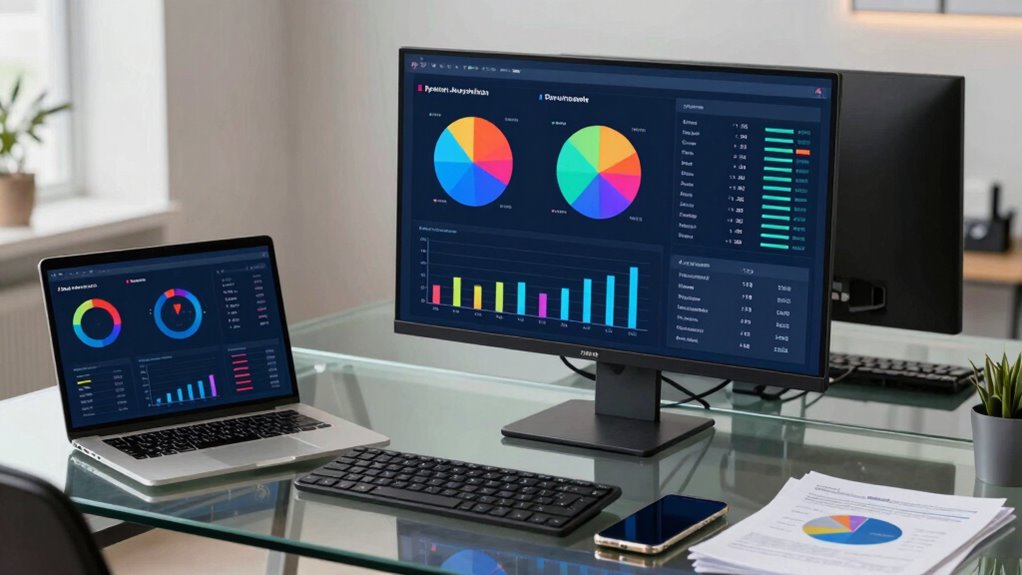
The business model you operate influences how you approach authorization rates. For instance, subscription services often face recurring billing challenges, where failed authorizations can disrupt the customer experience or lead to churn. In this case, proactive customer verification and retry strategies can help recover declined payments. Retailers with high-volume online transactions benefit from automated fraud prevention and real-time analytics that quickly assess transaction legitimacy. Physical stores, on the other hand, rely more on point-of-sale verification methods and staff training to recognize suspicious activity and verify customer identities effectively. Moreover, understanding the impact of payment authorization rates on overall revenue emphasizes the importance of continuously optimizing your transaction processes for better performance.
Ultimately, understanding your specific business model’s nuances helps you implement targeted strategies to improve payment authorization rates. By balancing fraud prevention with effective customer verification, you can reduce declines, enhance customer satisfaction, and grow your revenue. Regularly reviewing your authorization metrics, staying updated on fraud trends, and investing in reliable verification tools ensure your transaction processes stay refined and resilient against evolving threats. Additionally, incorporating effective floor scrubber techniques such as pre-soaking pads and appropriate pressure can be analogous to maintaining clean and efficient transaction processes—both require careful planning and the right tools for optimal results.
3D Secure payment authentication device
As an affiliate, we earn on qualifying purchases.
As an affiliate, we earn on qualifying purchases.
Frequently Asked Questions
How Do Seasonal Trends Affect Authorization Rates?
Seasonal fluctuations considerably impact your authorization rates because consumer behavior changes throughout the year. During peak seasons like holidays, you might see higher authorization rates as spending increases, while off-peak times can lead to declines. These trends affect your approval rates, so you should monitor seasonal patterns closely, adapt your fraud prevention measures accordingly, and optimize your payment processes to guarantee smoother transactions regardless of seasonal variations.
What Role Does Geographic Location Play in Authorization Success?
You might think geographic location isn’t essential, but regional discrepancies considerably impact authorization success. Cultural influences shape payment behaviors and trust levels with financial institutions, affecting approval rates. For example, some regions have stricter security protocols or limited card acceptance, leading to lower authorization success. Recognizing these geographic differences helps you tailor payment strategies, improve approval rates, and enhance customer satisfaction across diverse locations.
How Can Businesses Improve Their Authorization Rates Quickly?
You can improve your authorization rates quickly by enhancing customer verification processes and ensuring transaction security. Implement multi-factor authentication, real-time fraud detection, and clear communication with customers to confirm their identities. These steps reduce declines due to suspicion or fraud concerns. By prioritizing customer verification and transaction security, you build trust and streamline approvals, leading to higher authorization success and better overall payment processing performance.
Do Different Industries Have Inherently Higher or Lower Rates?
Think of industries as different rivers flowing with unique currents. Some flow smoothly, like retail, with high authorization rates reflecting efficient payment processing. Others, like travel, face turbulent waters, leading to lower rates due to complex transactions. Industry benchmarks reveal these patterns, guiding you to optimize payment authorization. By understanding these inherent differences, you can tailor your approach, steering the currents to improve your payment success rates effectively.
How Do Fraud Prevention Measures Impact Authorization Outcomes?
Fraud prevention measures like identity verification and transaction monitoring can lower authorization rates by flagging suspicious activities. While they protect your business from fraud, they may cause legitimate transactions to be declined if the checks are too strict or misinterpreted. You need to find a balance—using effective identity verification and real-time transaction monitoring—to reduce fraud without frustrating genuine customers and unnecessarily decreasing authorization success.
biometric customer verification tool
As an affiliate, we earn on qualifying purchases.
As an affiliate, we earn on qualifying purchases.
Conclusion
Understanding payment authorization rates is like steering through a complex maze—you need to know the twists and turns to find the best path. By grasping how your business model influences these rates, you can optimize your approach and improve approval success. Remember, each decision is a step forward, guiding you toward smoother transactions and better revenue flow. Stay informed, adapt quickly, and you’ll master this maze with confidence, turning challenges into opportunities for growth.

AI-Powered Fraud Defense: Protecting Small Businesses from Digital Threats with Real-Time Machine Learning Solutions
As an affiliate, we earn on qualifying purchases.
As an affiliate, we earn on qualifying purchases.
point-of-sale verification system
As an affiliate, we earn on qualifying purchases.
As an affiliate, we earn on qualifying purchases.