
Card lifecycle management impacts your saved payment credentials by ensuring they remain secure, accurate, and easy to use at every stage. During issuance, credentials are encrypted and tokenized for safety. As updates happen—like expiration or replacement—they’re handled securely and linked smoothly to digital wallets. When a card is deactivated, outdated data is securely removed. Advanced security features like biometrics protect your information throughout, improving both safety and usability—stay with us to find out how these processes work together to protect your financial data.
Key Takeaways
- Proper issuance ensures secure storage and encryption of payment credentials from the start.
- Updating card details maintains credential accuracy and security throughout the card’s active lifecycle.
- Secure deactivation and deletion prevent fraud and protect sensitive payment data after card expiration or compromise.
- Advanced security features like biometrics enhance protection of saved credentials during transactions and updates.
- Lifecycle management ensures credentials remain current, secure, and functional, reducing risks of data breaches and fraud.
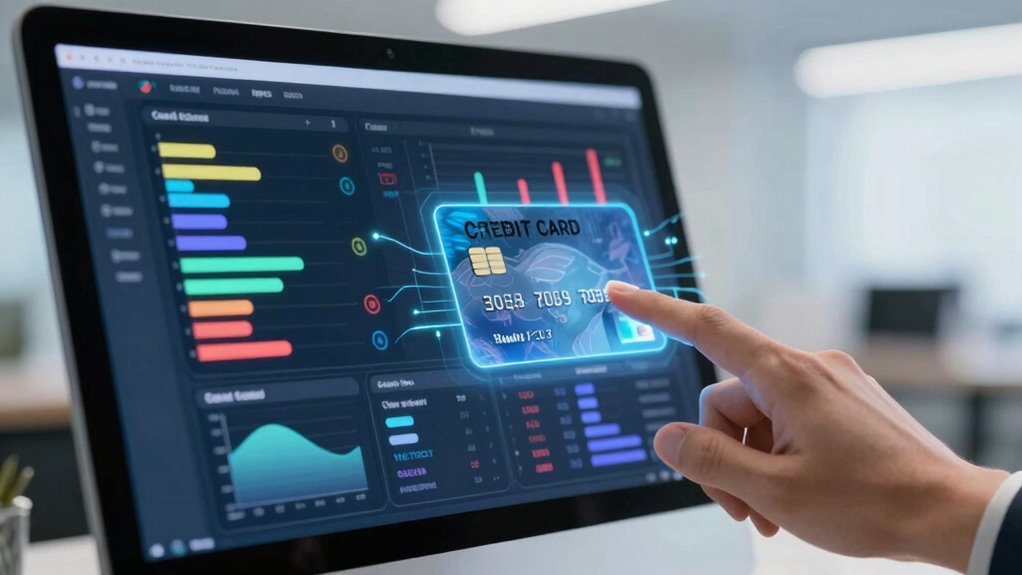
Managing your payment cards throughout their lifecycle is essential for ensuring security and efficiency in transactions. When you think about how you use saved payment credentials, it’s important to understand that each phase—issuance, use, update, and deactivation—can considerably impact the safety and functionality of your stored data. As digital payment methods evolve, integrating features like cryptocurrency integration and biometric authentication into card lifecycle management becomes increasingly paramount. These technologies help streamline your experience, but they also demand careful oversight to keep your credentials protected.
Effective card lifecycle management ensures secure, seamless transactions with advanced features like biometrics and cryptocurrency integration.
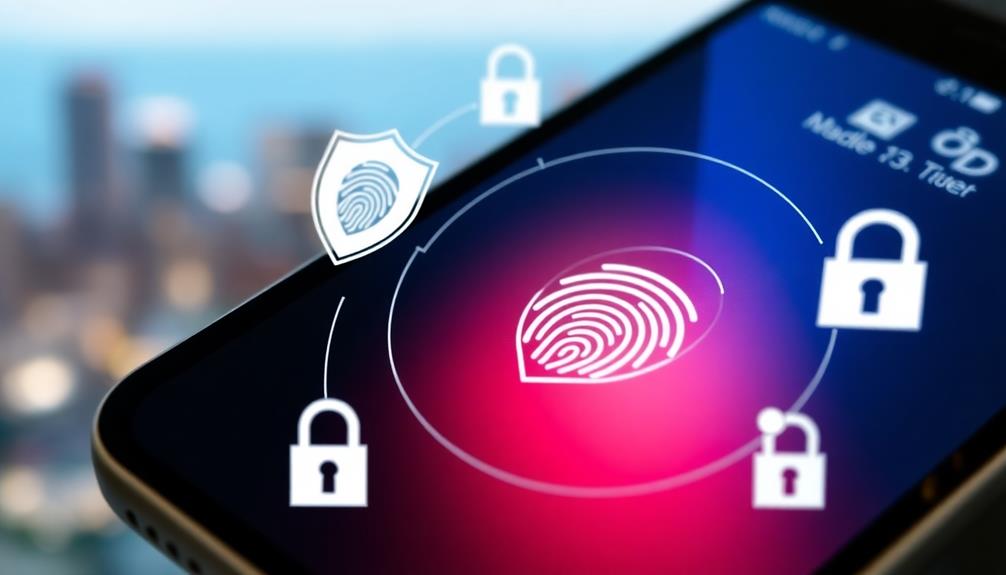
When your card is first issued, setting up secure storage for your payment credentials is vital. This is where encryption and tokenization come into play, transforming your card details into secure tokens that can be safely stored across platforms. If your provider supports cryptocurrency integration, it opens a new layer of complexity but also flexibility. You might be able to link your digital assets with your payment credentials, enabling seamless transactions across traditional and digital currencies. Encryption techniques further enhance security during this phase, ensuring your sensitive data remains protected. Biometric authentication further enhances security at this stage, allowing you to verify transactions using fingerprint or facial recognition instead of passwords, which can be vulnerable or forgotten. This reduces the risk of unauthorized access to your saved credentials and offers a smoother user experience. Additionally, understanding the importance of contrast ratio helps ensure that your digital wallet interfaces are both secure and user-friendly, reducing the likelihood of errors or breaches. Proper management of digital authentication methods also plays a critical role in maintaining the integrity of your credentials during this initial setup.
Throughout the card’s active lifecycle, your provider must guarantee that any updates—such as changing expiration dates or replacing lost cards—are handled with the same level of security. If your card is compromised or expires, deactivation protocols come into play, and managing these transitions carefully prevents vulnerabilities. Properly deactivating old credentials and securely deleting outdated data helps prevent fraud or identity theft. Consistent, secure updates keep your saved payment credentials current and reliable. Moreover, the ongoing management of security protocols during these transitions is crucial to maintaining your data’s integrity.
The way your payment credentials are managed during these phases directly affects their security and usability. If biometric authentication is integrated into your card management system, it adds an extra layer of protection during transaction approval or credential updates. This means that even if someone gains access to your device or account, they’d still need your biometric data to proceed, greatly reducing the risk of unauthorized use. As cryptocurrency integration becomes more mainstream, managing the lifecycle of these digital assets alongside your traditional payment cards requires careful coordination. Ensuring that your digital wallets and linked credentials are updated, secured, and deactivated when necessary is paramount to maintaining overall security.
Ultimately, how well your payment card’s lifecycle is managed influences the safety of your saved payment credentials. By embracing advanced security measures like biometric authentication and thoughtfully integrating cryptocurrency, you can enjoy more flexible, secure transactions. But it’s equally important to stay vigilant during every phase—issuance, use, updates, and deactivation—to safeguard your financial data and keep your digital wallet protected.

Access Device Fraud and Related Financial Crimes
- Condition: Used Book in Good Condition
As an affiliate, we earn on qualifying purchases.
As an affiliate, we earn on qualifying purchases.
Frequently Asked Questions
How Do Expired Cards Affect Saved Payment Credentials?
Expired cards can disrupt saved payment credentials because they often require card renewal. When a card expires, your stored credentials become invalid, prompting you to update them for seamless transactions. Proper credential storage helps you manage this process efficiently, ensuring that your payment methods stay current and functional. Without timely card renewal, your saved credentials may lead to declined payments, making it essential to update card details promptly to maintain smooth and secure transactions.
What Security Measures Protect Saved Payment Credentials During Card Lifecycle Changes?
During card lifecycle changes, security measures like tokenization protocols replace sensitive payment data with unique tokens, preventing exposure if data is compromised. Encryption standards safeguard saved payment credentials both in transit and at rest, ensuring that even if data is intercepted, it remains unreadable. These combined protocols protect your payment information from unauthorized access, maintaining security even as your card details evolve through expiration, renewal, or replacement processes.
Can Saved Payment Credentials Be Automatically Updated Across Platforms?
Think of saved payment credentials like a synchronized playlist—updates need to be seamless across devices. Yes, they can be automatically updated, thanks to tokenization strategies that replace sensitive info with tokens. When you change your card, user authorization triggers platforms to refresh credentials, ensuring smooth transactions. This process keeps your data protected, maintaining security while providing convenience across all platforms without manual input.
How Does Card Replacement Impact Stored Payment Information?
When you replace a card, your stored payment information can be affected if the system uses card issuance and payment tokenization. The new card’s details need to be updated within the platform to generate a new payment token. If this update doesn’t happen automatically, your saved credentials might become invalid, preventing transactions. Proper card lifecycle management guarantees seamless updates, maintaining smooth payment experiences across platforms.
Are There Compliance Issues With Maintaining Saved Payment Credentials?
About 60% of merchants worry about compliance when maintaining saved payment credentials. Yes, there are compliance issues with payment data, especially regarding privacy concerns. You must guarantee your storage and processing adhere to standards like PCI DSS to protect customer info. Failing to do so risks hefty fines and damaging your reputation. Staying updated on regulations and implementing robust security measures helps you manage payment data responsibly while respecting privacy concerns.

Trezor Safe 3 – Passphrase & Secure Element Protected Crypto Hardware Wallet (Solar Gold)
- Security Level: EAL 6+ Secure Element
- User Interface: Clear OLED screen for confirmations
- Asset Support: Supports thousands of coins and tokens
As an affiliate, we earn on qualifying purchases.
As an affiliate, we earn on qualifying purchases.
Conclusion
Managing your card lifecycle effectively guarantees your saved payment credentials remain secure and functional, reducing the risk of fraud and payment failures. Did you know that 60% of consumers have experienced issues with outdated payment information, leading to lost transactions? Staying on top of updates not only protects your financial data but also guarantees smoother transactions. Take control of your card lifecycle today—it’s a simple step toward safeguarding your financial well-being and enjoying seamless payments every time.
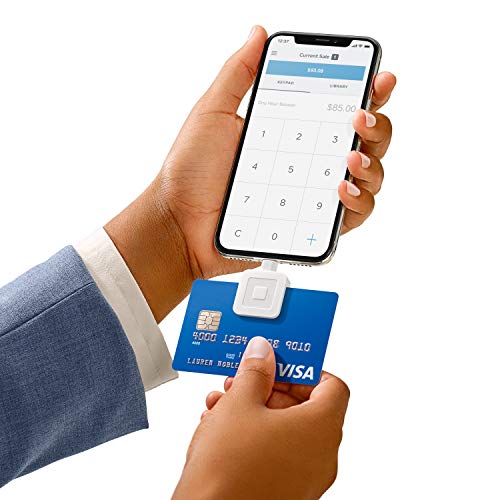
Square Reader for magstripe (with Lightning connector)
- Transparent per-swipe rate: Visa, Mastercard, Discover, Amex
- Compatible with Square POS apps: Payments, tips, signatures, receipts
- Accepts magstripe cards: Visa, Mastercard, Discover, Amex
As an affiliate, we earn on qualifying purchases.
As an affiliate, we earn on qualifying purchases.
tokenization secure payment device
As an affiliate, we earn on qualifying purchases.
As an affiliate, we earn on qualifying purchases.