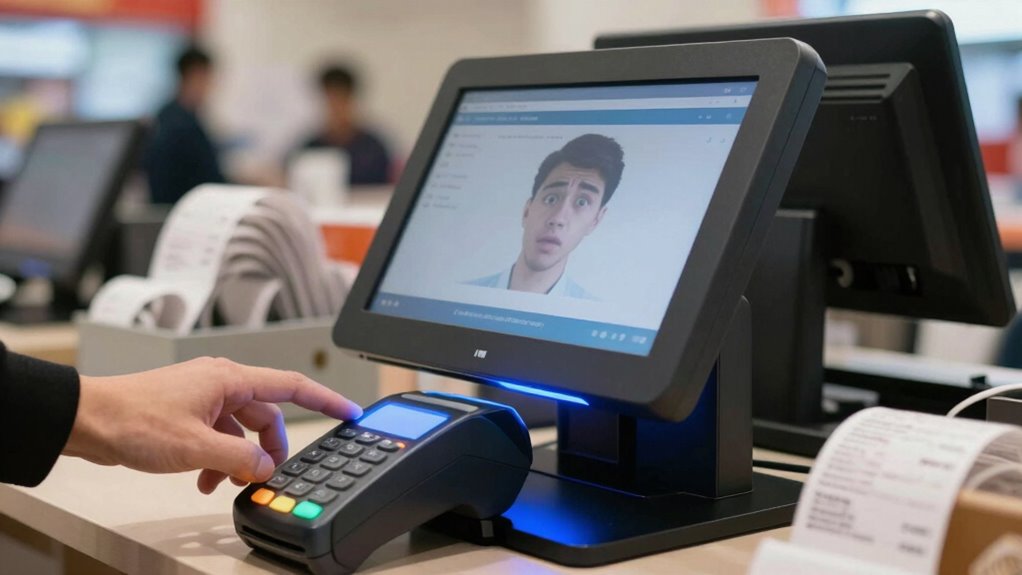
Understanding payment decline codes is essential because it helps you respond accurately and quickly to transaction issues. When you’re well-versed in these codes, you can improve customer communication, prevent frustration, and handle potential fraud more effectively. Proper education also streamlines your processes and boosts confidence in managing declines securely. By mastering these codes, you’ll turn frustrating declines into opportunities for better service. Keep exploring to discover how enhanced knowledge can transform your approach to transactions.
Key Takeaways
- Proper training ensures teams accurately interpret decline codes, reducing customer frustration and improving resolution efficiency.
- Educated staff can better distinguish between fraud-related and legitimate declines, enhancing security measures.
- Understanding decline reasons enables clearer communication, building customer trust during transaction issues.
- Improved knowledge prevents mismanagement of declines, decreasing revenue loss and operational delays.
- Training on decline codes supports proactive fraud prevention and enhances overall payment security strategies.

Have you ever wondered what those payment decline codes mean when a transaction doesn’t go through? They’re more than just confusing numbers; they’re signals that can impact your business’s efficiency, customer experience, and security. When you understand these codes, you gain the ability to respond swiftly and accurately, turning a frustrating moment into an opportunity for better customer communication and fraud prevention. Yet, many teams lack thorough training on what these codes signify, leading to misinterpretations and ineffective responses.
Without proper internal education, your team might treat all declines the same, ignoring the specific reasons behind each code. For example, some decline codes indicate insufficient funds, while others point to suspected fraud, expired cards, or technical issues. Recognizing these differences allows you to tailor your response—whether it’s guiding the customer to check their account balance, verifying their identity, or simply retrying the transaction later. This precise understanding minimizes customer frustration and reduces the risk of losing business due to miscommunication.
Understanding specific decline codes helps tailor responses, reduce frustration, and prevent losing business due to miscommunication.
Effective use of decline codes also plays a crucial role in fraud prevention. If you’re unaware of the subtle distinctions between decline reasons, you might overlook potential security threats or mistakenly flag legitimate transactions as fraudulent. Proper education ensures your team can identify suspicious activity quickly, helping to protect both your customers and your business. When your staff understands the implications of specific decline codes, they can escalate issues appropriately or implement additional verification steps, reducing the likelihood of fraud slipping through unnoticed.
Customer communication is another area where better education on decline codes makes a difference. When a transaction is declined, knowing the exact reason allows you to explain the situation clearly and professionally. Instead of vague or generic messages, you can provide actionable advice—such as confirming card details, advising on available credit, or suggesting alternative payment methods. This transparency boosts customer trust, demonstrates your commitment to service, and can even turn a declined transaction into a positive interaction by showing you care about resolving issues promptly.
Ultimately, investing in thorough internal education around payment decline codes benefits your entire operation. It enhances fraud prevention strategies, sharpens customer communication, and streamlines transaction resolution. When your team is well-versed in what each decline code means, you’re better equipped to handle issues confidently, efficiently, and securely. In today’s fast-paced digital economy, understanding these codes isn’t just a technical necessity—it’s a crucial component of delivering a seamless, trustworthy payment experience.

Finance Equations & Answers: a QuickStudy Laminated Reference Guide (Quick Study Academic)
As an affiliate, we earn on qualifying purchases.
As an affiliate, we earn on qualifying purchases.
Frequently Asked Questions
How Often Should Staff Review Decline Code Updates?
You should review decline code updates at least quarterly to keep your staff sharp. Regular staff refresher sessions help guarantee everyone understands new or changing codes, reducing errors and improving resolution times. Staying current with code updates allows your team to respond swiftly to declines, minimizing customer inconvenience and revenue loss. Make it a routine part of your training schedule, so your staff remains informed and confident in handling payment issues effectively.
Are Decline Codes Standardized Across All Payment Processors?
No, decline codes aren’t fully standardized across all payment processors. You’ll encounter standardization challenges because different processors often have their own coding systems, leading to discrepancies. This inconsistency makes it harder for you to interpret decline reasons quickly and accurately. To improve your responses, stay informed about processor-specific codes, and regularly review updates to understand how these discrepancies might impact your transaction handling and customer communication strategies.
How Can We Customize Decline Code Explanations for Customer Support?
You can customize decline code explanations for customer support by creating clear, empathetic scripts that address common issues. Many support teams worry this adds complexity, but focusing on customer empathy and technical troubleshooting simplifies the process. Use specific decline code details to guide personalized responses, helping customers understand why their payment failed and what steps they can take next. This approach improves support clarity and builds trust during challenging situations.
What Training Methods Are Most Effective for Understanding Decline Codes?
You’ll find interactive training sessions most effective for understanding decline codes, as they boost training retention and enhance customer communication skills. Incorporate real-world scenarios and role-playing exercises to help you quickly interpret codes and communicate clearly with customers. Regular refreshers and quizzes reinforce learning, ensuring you stay updated. By actively engaging in these methods, you’ll improve your ability to handle declines confidently and improve overall customer support quality.
How Do Decline Codes Impact Fraud Detection and Prevention?
Decline codes play a vital role in fraud detection and prevention by highlighting suspicious transaction patterns, helping you identify potential fraud. When you understand these codes, you can spot fraud patterns more effectively, enabling better risk mitigation. This knowledge allows you to quickly respond to risky transactions, reduce chargebacks, and strengthen your overall security measures. Better education on decline codes empowers you to proactively protect your business from fraud threats.
transaction decline code training manual
As an affiliate, we earn on qualifying purchases.
As an affiliate, we earn on qualifying purchases.
Conclusion
Understanding payment decline codes isn’t just about decoding error messages; it’s about opening the door to smoother transactions. When you know what each code means, you can act swiftly and confidently, turning potential setbacks into opportunities for resolution. Think of these codes as a map—guiding you through the maze of payment issues. By educating your team, you’re not just fixing problems; you’re building a fortress of knowledge that keeps your business sailing smoothly in stormy seas.

Threelf Card Flattening Kit,Card Repair & Restoration Kit – Trading Cards Cleaning and Grading Tool,Ideal Cards Centering Grading Tool for Fixing Bent or Lifted Edges
What’s in the Box:Designed for trading card collectors and hobbyists, this card flattening kit helps restore cards with…
As an affiliate, we earn on qualifying purchases.
As an affiliate, we earn on qualifying purchases.

Dri Mark CFD5PK Counterfeit Bill Detector Marker Pen, Made in The USA, 3 Times More Ink, Pocket Size, Fake Money Checker – Money Loss Prevention Tester & Fraud Protection for U.S. Currency (Pack of 5)
INSTANTLY AND EASILY DETECT FAKE BILLS – Prevent profit loss with this fast, accurate, effective counterfeit tester. Marker…
As an affiliate, we earn on qualifying purchases.
As an affiliate, we earn on qualifying purchases.