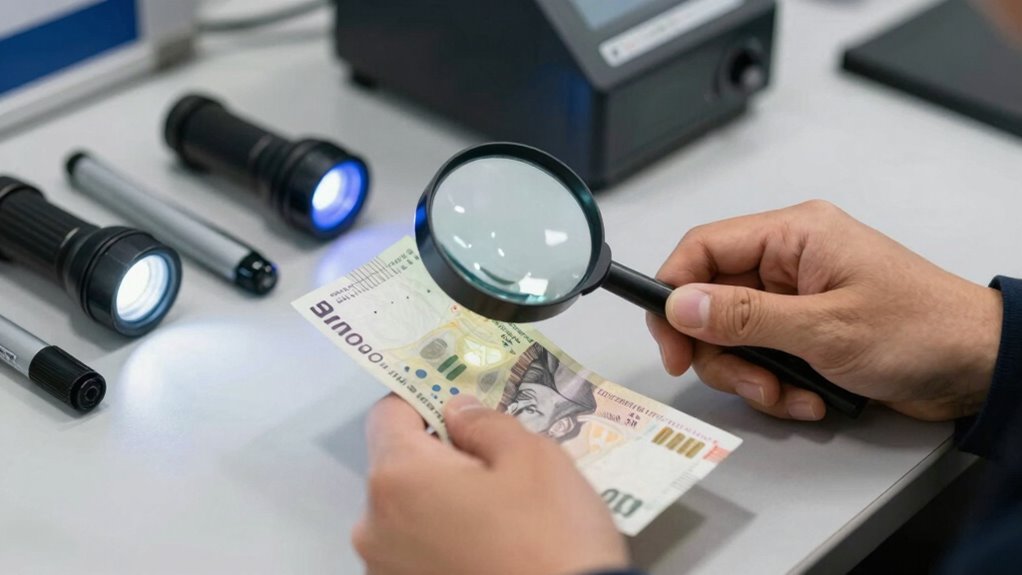

Counterfeit detection tools work best when you combine them with proper staff training. Digital tools like holograms, encrypted codes, and unique identifiers help verify products quickly and reliably. However, your staff’s ability to spot subtle signs of counterfeiting and operate these tools effectively is essential. When both are used together, your detection becomes more accurate and efficient. Keep exploring how integrating technology and training can strengthen your defense against counterfeit threats.

Get business pricing on office and shipping supplies
- Business-only prices and quantity discounts
- Tax-exempt purchasing
- Multiple users, one account, clear invoices
Key Takeaways
- Digital authentication tools are most effective when staff are trained to interpret and utilize them correctly.
- Staff training enhances the accuracy and speed of counterfeit detection using digital verification methods.
- Combining technology with knowledgeable staff creates a comprehensive defense against counterfeit items.
- Ongoing training ensures staff stay updated on emerging counterfeit tactics and new authentication tools.
- Educated staff can better inform customers, turning them into an additional line of defense against counterfeits.

Counterfeit detection has become a crucial aspect of safeguarding your business, especially as counterfeiters grow more sophisticated. No longer can you rely solely on manual inspection or basic security features; instead, you need a combination of advanced tools and well-trained staff to stay ahead. Digital authentication plays an essential role here, providing quick and reliable methods to verify genuine products or documents. These tools use unique identifiers, holograms, or encrypted codes that are difficult for counterfeiters to replicate. When integrated into your processes, digital authentication can markedly reduce the chances of accepting fake items, protecting your brand reputation and customer trust.
However, technology alone isn’t enough. Your staff’s training is equally necessary. Well-trained employees develop an eye for subtle signs of counterfeiting and understand how to use digital authentication tools effectively. When your team knows what to look for, they can spot suspicious features faster and more accurately. Training also emphasizes customer awareness, empowering your staff to educate and inform your customers about the importance of verifying products. This proactive approach helps build confidence and encourages customers to participate in safeguarding themselves and your business from counterfeit risks. Incorporating digital authentication tools into your verification process ensures that your team has reliable resources to identify authentic products quickly.
Combining counterfeit detection tools with all-encompassing staff training creates a powerful defense. Digital authentication makes the verification process more efficient, but without knowledgeable staff, you could miss critical cues or misinterpret results. Conversely, staff who understand what to look for can leverage digital tools more effectively, making the verification process seamless and more precise. Furthermore, staff training cultivates a culture of vigilance, where everyone is aware of counterfeit threats and knows how to respond appropriately. This reduces the chances of counterfeit items slipping through and enhances your overall security posture. Additionally, ongoing training programs help keep your team updated on the latest counterfeit tactics and technological advancements, ensuring your defenses evolve with emerging threats. Recognizing the importance of biodiversity in product authenticity can also aid your team in verifying genuine items linked to sustainable and authentic sources, adding another layer of assurance.
Customer awareness is a crucial element of this strategy. When your employees educate customers about the importance of product verification and how to use digital authentication methods, it creates an added layer of defense. Customers become your allies in spotting counterfeit products, especially in retail environments or online sales. Educated customers are more likely to recognize warning signs and ask the right questions, making it harder for counterfeiters to succeed. Additionally, understanding the role of biodiversity in product authenticity can help your team recognize genuine items that are linked to sustainable and authentic sources. This partnership between technology, staff knowledge, and customer awareness creates a more resilient system that adapts to evolving counterfeit schemes. Integrating advanced verification methods further enhances your ability to stay ahead of counterfeiters and protect your business.
digital product authentication tools
As an affiliate, we earn on qualifying purchases.
As an affiliate, we earn on qualifying purchases.
Frequently Asked Questions
How Often Should Counterfeit Detection Tools Be Upgraded?
You should upgrade your counterfeit detection tools regularly, ideally every 6 to 12 months, to keep pace with evolving counterfeit techniques. Technology integration is essential, and frequent updates guarantee your tools remain effective. Additionally, maintaining user familiarity with the latest features through ongoing training helps staff operate equipment confidently and accurately, reducing errors. Staying current with upgrades guarantees your detection methods are reliable and your staff remains proficient.
What Are Common Staff Training Misconceptions?
Many believe that once staff are trained, they’re set for life—that’s a misconception. You might think staff skepticism fades quickly, but ongoing training is vital. Training frequency should be regular, like the steady drip of a faucet, to keep everyone sharp. Without continuous updates, staff may underestimate new counterfeit methods, risking errors. Remember, effective staff training isn’t a one-and-done task; it’s an ongoing process of vigilance and learning.
Can Counterfeit Detection Tools Replace Staff Training Entirely?
Counterfeit detection tools can’t replace staff training entirely. Automated detection offers quick identification, but employee awareness is vital for nuanced judgment and handling complex situations. Your staff’s training enhances their ability to recognize subtle signs tools might miss, ensuring a more thorough defense. Combining automated detection with ongoing training creates a stronger, more reliable system against counterfeit threats, empowering your team to act confidently and effectively.
How Do Counterfeit Tools Adapt to New Counterfeit Techniques?
Think of counterfeit detection tools as sailors steering shifting seas. Thanks to technological evolution, these tools adapt swiftly to new counterfeit techniques, much like sailors adjusting their sails. They analyze patterns, scan for subtle differences, and update their databases regularly. This ongoing counterfeit adaptation guarantees you stay ahead of counterfeiters, making your defenses stronger. But remember, combining these tools with staff vigilance creates a formidable, dynamic barrier against evolving counterfeiting threats.
What Are the Costs Associated With Staff Training Programs?
The costs of staff training programs include expenses for materials, trainers, and time away from daily tasks. Conducting a thorough cost analysis helps you understand the investment needed and guarantees training effectiveness. While initial costs may seem high, well-trained staff can better identify counterfeits, reducing losses. You’ll find that investing in quality training enhances detection accuracy, ultimately saving money by preventing counterfeit products from reaching customers.
As an affiliate, we earn on qualifying purchases.
Conclusion
You see, combining counterfeit detection tools with proper staff training is your best bet—think of it as having a trusty sidekick and a well-honed sword. When you equip your team with the right skills and technology, you fortify your defenses against fraud, making it harder for imposters to succeed. Remember, even in this digital age, a little old-fashioned vigilance and a dash of modern tech can save the day. Don’t be a ninny—stay prepared!
encrypted product verification codes
As an affiliate, we earn on qualifying purchases.
As an affiliate, we earn on qualifying purchases.
staff training for counterfeit detection
As an affiliate, we earn on qualifying purchases.
As an affiliate, we earn on qualifying purchases.
Fall Picks
fall essentials
As an affiliate, we earn on qualifying purchases.