
Age verification scanners are powerful tools that help you verify customer age quickly and accurately, ensuring you stay compliant with regulations. However, their effectiveness depends on keeping your policies current and well-implemented. Proper staff training and up-to-date procedures are vital to prevent mistakes and fraud. When your policies evolve with technological advances, you’ll reduce risks and improve security. Interested in how to keep your policies aligned with these tools? Keep exploring for essential tips.
Key Takeaways
- Effective policies ensure proper use of age verification scanners and prevent misuse or errors.
- Regular policy updates incorporate new verification technologies and legal requirements.
- Staff training on policies enhances scanner accuracy and reduces human error.
- Well-crafted policies address handling fraudulent IDs and digital identity verification.
- Staying informed on evolving regulations ensures compliance and maximizes scanner effectiveness.
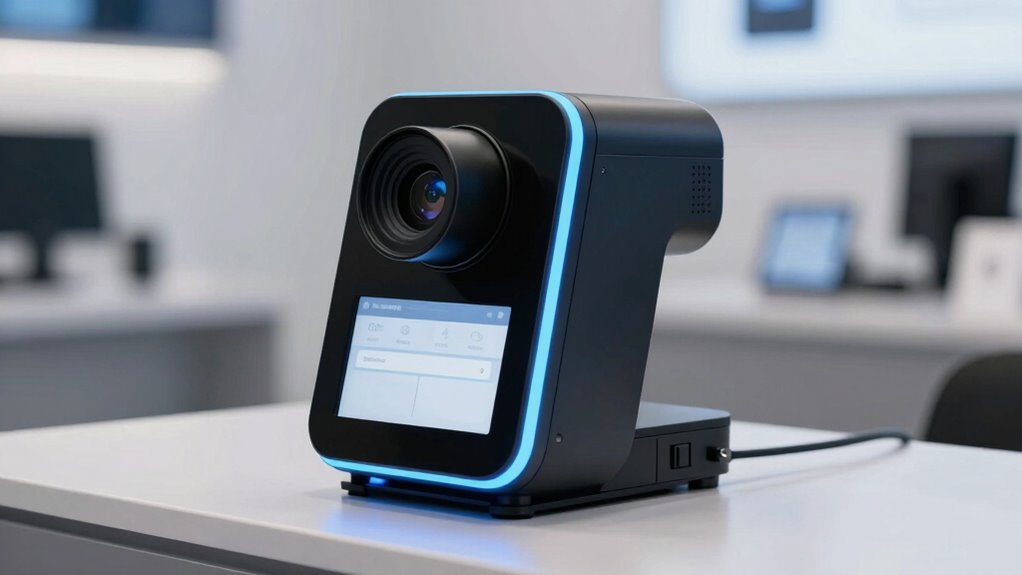
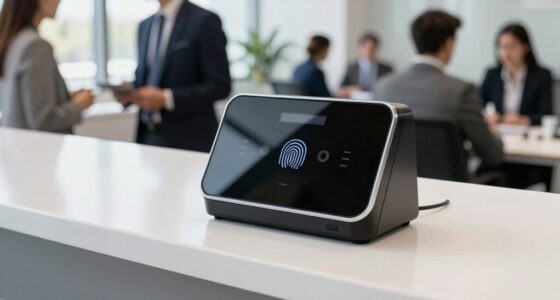
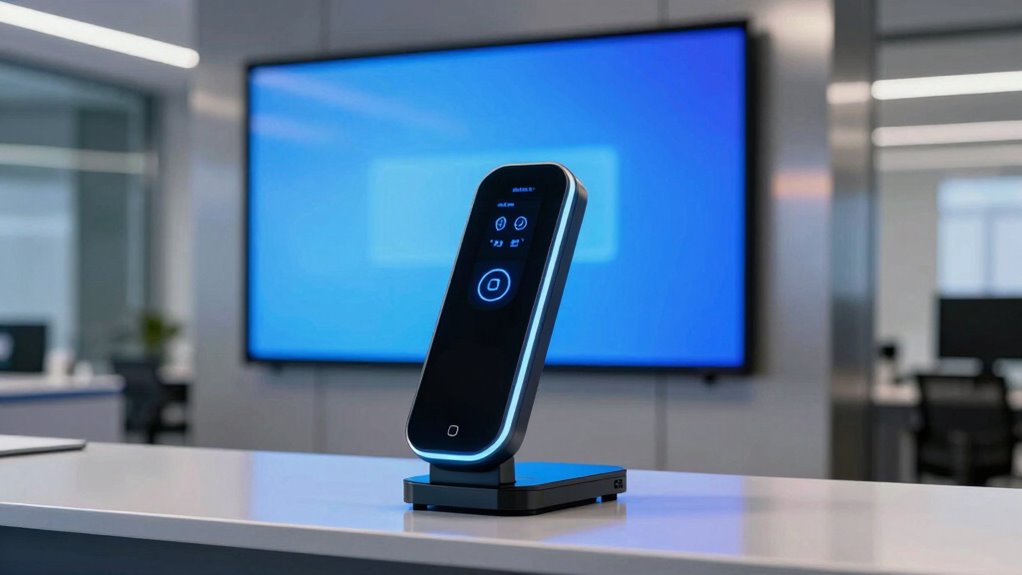
In today’s world, guaranteeing age compliance has become more essential than ever, and age verification scanners offer a dependable solution. These devices help you verify the age of customers quickly and accurately, safeguarding your business from legal issues and regulatory penalties. By integrating advanced technology, you can streamline the process, making it seamless for both staff and customers while maintaining a high level of retail security. More than just a safety measure, these scanners also play a crucial role in confirming digital identity, guaranteeing that the person presenting ID is who they claim to be. This dual purpose makes them invaluable in environments where age restrictions are strict, such as alcohol sales, gaming, or vaping products.
However, these tools are only as effective as the policies that govern their use. If your policies are outdated or poorly implemented, even the most sophisticated age verification scanners can fall short. For example, if staff aren’t trained properly, they may mishandle the device, overlook discrepancies, or fail to follow proper procedures. This not only diminishes the scanner’s effectiveness but also exposes your business to risks like underage sales or legal fines. To maximize the benefits of these tools, you need clear, extensive policies that align with current legislation and best practices. That means establishing procedures for verifying digital identity, securely storing data, and handling situations where IDs are unclear or fraudulent. Staying informed about regulatory standards is essential to ensure your policies remain compliant and effective. Additionally, understanding the limitations of current technology can help you set realistic expectations and develop more comprehensive procedures. Incorporating up-to-date security protocols into your policies further enhances data protection and compliance.
Another challenge lies in keeping up with evolving technology and regulatory standards. As digital identity verification becomes more advanced, your policies must adapt to incorporate new methods, such as biometric scans or real-time database checks. Failure to update your policies can lead to gaps in compliance, leaving your business vulnerable. It’s essential to stay informed about legal requirements and industry standards so that your age verification process remains robust. Regular staff training and policy reviews ensure everyone understands the importance of retail security and digital identity verification, reducing the risk of human error. Incorporating emerging verification methods into your policies can help keep your procedures current and effective. Furthermore, leveraging smart technology integration can enhance accuracy and efficiency, making compliance even more straightforward.
As an affiliate, we earn on qualifying purchases.
Frequently Asked Questions
How Accurate Are Age Verification Scanners in Different Lighting Conditions?
Age verification scanners with facial recognition are generally accurate, but their performance can vary with lighting conditions. Light sensitivity affects their ability to analyze features precisely, especially in low or overly bright environments. You might find that scanners perform best in controlled lighting, where facial recognition can operate with minimal errors. To guarantee accuracy, it’s crucial to evaluate lighting conditions and implement policies that account for potential limitations caused by light sensitivity.
Can Age Verification Scanners Be Bypassed or Fooled?
Yes, age verification scanners can be bypassed or fooled, especially if someone exploits technology limitations or attempts identity fraud. Skilled individuals might use fake IDs or manipulate images to deceive the system. While these scanners are advanced, they aren’t foolproof. You need to recognize that technological gaps exist, so relying solely on these tools without proper policies and human oversight can leave you vulnerable to fake identities or fraud.
What Are the Privacy Concerns Related to Age Verification Scanners?
Privacy concerns with age verification scanners are like shadows lurking behind bright lights. You worry about your data being exposed or misused, especially if it isn’t protected by strong data encryption. Without clear user consent, your personal info becomes a silent witness, vulnerable to breaches. To truly trust these tools, you need transparency, ensuring your data stays secure and your rights are respected every step of the way.
How Do Age Verification Scanners Handle Non-Human or Fake IDS?
You might wonder how age verification scanners handle fake IDs or non-human attempts. They use fake ID detection technology to identify forged or manipulated documents, spotting inconsistencies or tampering. Biometric verification adds an extra layer by comparing your facial features or fingerprint to official records, ensuring you’re who you claim to be. These combined methods help prevent fake IDs from bypassing age restrictions effectively.
Are There Legal Standards for Age Verification Scanner Technologies?
Like Pandora’s box, age verification scanners open questions about legal standards. You need to guarantee your system complies with legal requirements and regulatory standards, which vary by jurisdiction. While many jurisdictions lack specific laws for these scanners, adherence to data privacy laws and accuracy standards is essential. Staying updated with evolving regulations helps you avoid legal pitfalls, assuring your age verification process remains compliant and trustworthy.
As an affiliate, we earn on qualifying purchases.
Conclusion
You now see how age verification scanners are powerful tools—if policies keep pace. These devices can accurately prevent minors from accessing age-restricted products, safeguarding both businesses and communities. Did you know that the global market for age verification technology is projected to reach $1.3 billion by 2026? Staying ahead means updating policies regularly and embracing these tools. Otherwise, you risk falling behind in protecting youth and complying with regulations.
biometric age verification system
As an affiliate, we earn on qualifying purchases.
As an affiliate, we earn on qualifying purchases.
As an affiliate, we earn on qualifying purchases.