
Emerging regulations for central bank digital currencies aim to balance innovation, security, and privacy. Governments are developing rules to oversee issuance, manage cross-border use, and protect user data. These regulations focus on ensuring financial stability while preventing illicit activities like money laundering. As the landscape evolves, regulators are also prioritizing user privacy and transparency. Continuing to explore this topic will reveal how these rules will shape the future of digital currencies and your financial transactions.
Key Takeaways
- Countries are developing diverse regulatory approaches emphasizing privacy, innovation, control, and compliance for CBDC issuance and management.
- Regulations focus on balancing transaction efficiency, data security, and preventing illegal activities like money laundering.
- Adaptive frameworks are evolving to address rapid technological advancements and cross-border interoperability challenges.
- Security standards include advanced encryption and data protection to prevent cyber threats while fostering innovation.
- Clear regulatory guidance influences CBDC integration into daily financial activities, impacting user trust and adoption.

Are emerging regulations shaping the future of central bank digital currencies (CBDCs)? As these digital assets gain traction worldwide, governments and regulators are actively crafting rules that will define how CBDCs operate and influence the broader financial landscape. One of the key areas impacted by these regulations involves monetary policy. With CBDCs, central banks can implement more precise and immediate measures, such as controlling the money supply or adjusting interest rates directly through digital transactions. However, this increased control raises questions about the potential for overreach or unintended consequences, making regulatory oversight vital to maintaining balance. Authorities aim to leverage CBDCs to enhance monetary policy effectiveness, but they must also guarantee that these measures don’t undermine financial stability or consumer trust. As regulations evolve, they will determine how central banks can use CBDCs as tools for economic management without risking disruptions or misuse.
Simultaneously, privacy concerns stand at the forefront of regulatory discussions. Unlike traditional cash, digital currencies leave a digital trail, making user activity potentially accessible to authorities or malicious actors. Governments are working to strike a delicate balance: they want to enable efficient, secure transactions while safeguarding individual privacy rights. Regulations are being drafted to specify data collection limits, secure encryption standards, and transparency requirements around user data. This ongoing debate influences the design of CBDC frameworks, as policymakers seek to prevent illegal activities like money laundering or fraud without eroding user confidence. The challenge lies in creating a system that offers enough transparency to satisfy regulatory needs while protecting users from intrusive surveillance. As these privacy concerns shape regulation, they will influence how CBDCs are integrated into everyday banking and commerce, impacting user adoption and trust.
Moreover, the regulatory landscape is evolving rapidly, driven by technological innovations and geopolitical considerations. Countries differ in their approaches—some prioritize privacy and innovation, while others focus on control and compliance. These emerging regulations will not only influence how CBDCs are issued and managed but also determine their interoperability across borders. As you watch this space, it’s clear that the future of CBDCs hinges on well-crafted regulations that balance monetary policy goals with privacy safeguards. This delicate balancing act will shape whether CBDCs become a trusted, efficient part of the financial system or face hurdles that limit their potential. Ultimately, your understanding of these regulations will be key to steering the evolving digital currency landscape and evaluating how they might impact your financial transactions and privacy rights in the years to come. Additionally, incorporating high-quality technology ensures that regulatory frameworks support both innovation and security in digital currencies.
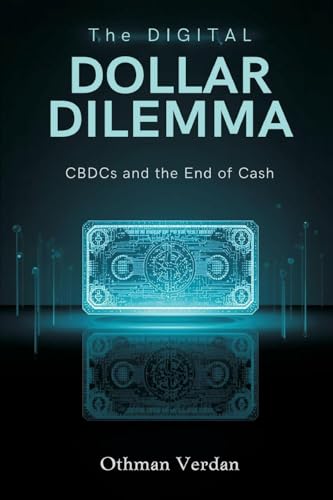
The Digital Dollar Dilemma: CBDCs and the End of Cash
As an affiliate, we earn on qualifying purchases.
As an affiliate, we earn on qualifying purchases.
Frequently Asked Questions
How Will Privacy Be Protected With CBDC Regulations?
You’ll find that privacy is protected through strict privacy safeguards and advanced encryption protocols. Regulations aim to guarantee your transaction data remains confidential while allowing necessary oversight. These safeguards prevent unauthorized access and misuse, giving you peace of mind. By using robust encryption, your information stays secure from cyber threats. Overall, these measures balance transparency with privacy, so you can trust that your CBDC transactions are private and protected under upcoming regulations.
What Are the International Implications of CBDC Regulation?
Like a chess game, CBDC regulation impacts global dynamics. You’ll need to navigate cross-border cooperation carefully to prevent conflicts and promote stability. Countries might challenge each other’s monetary sovereignty, leading to tensions or shifts in influence. International regulators must work together, balancing national interests with global financial stability. Your understanding of these implications helps you anticipate how CBDCs could reshape international monetary relations and foster a more interconnected financial landscape.
How Will CBDCS Impact Existing Banking Systems?
You’ll see CBDCs transform your banking experience by streamlining interbank settlements, making transactions faster and more efficient. They’ll also give you new tools for monetary policy, allowing central banks to better manage inflation and economic stability. As a user, you might notice lower costs and increased security. However, banks will need to adapt their systems to handle digital currencies securely, ensuring smooth integration with existing financial infrastructure.
What Cybersecurity Measures Are Required for CBDC Regulation?
You need robust cybersecurity measures for CBDC regulation, focusing on digital identity verification and cyber resilience. Implement multi-factor authentication and encryption to protect user data and transactions. Regularly update security protocols, conduct vulnerability assessments, and guarantee systems can withstand cyber threats. These measures help prevent fraud, secure digital identities, and maintain trust in the CBDC ecosystem, ensuring resilience against evolving cyber risks.
How Will Consumer Rights Be Safeguarded Under New CBDC Rules?
You’ll be protected under new CBDC rules through enhanced consumer rights, which include clear protections for your privacy and dispute resolution. To guarantee you’re well-informed, authorities will promote digital literacy and consumer education initiatives, helping you understand how to securely use digital currencies. These measures empower you to make informed decisions, safeguard your assets, and confidently navigate the evolving digital financial landscape.

A Mind Friendly Guide to Blockchain and Digital Currencies
As an affiliate, we earn on qualifying purchases.
As an affiliate, we earn on qualifying purchases.
Conclusion
As you navigate the evolving landscape of CBDCs, think of regulations as the lighthouse guiding a ship through foggy waters. They illuminate the path, ensuring safe passage and preventing you from veering into hidden rocks of risk. Embracing these rules helps you stay on course, fostering trust and stability in digital currencies. With clear guidelines, you can confidently sail toward a future where innovation and security steer your financial journey.
![ESET Home Security Essential | Antivirus | 2025 Edition | 5 Devices | 1 Year | Safe Banking | Privacy Protection | IOT Protection | Ransomware | Digital Download [PC/Mac/Android]](https://m.media-amazon.com/images/I/41VFZKyDtBL._SL500_.jpg)
ESET Home Security Essential | Antivirus | 2025 Edition | 5 Devices | 1 Year | Safe Banking | Privacy Protection | IOT Protection | Ransomware | Digital Download [PC/Mac/Android]
WORRY-FREE BANKING AND BROWSING: Safely bank, shop, and surf with our secured browser mode. The extra Browser Privacy…
As an affiliate, we earn on qualifying purchases.
As an affiliate, we earn on qualifying purchases.
CBDC compatible banking app
As an affiliate, we earn on qualifying purchases.
As an affiliate, we earn on qualifying purchases.