
TL;DR

Get business pricing on office and shipping supplies
- Business-only prices and quantity discounts
- Tax-exempt purchasing
- Multiple users, one account, clear invoices
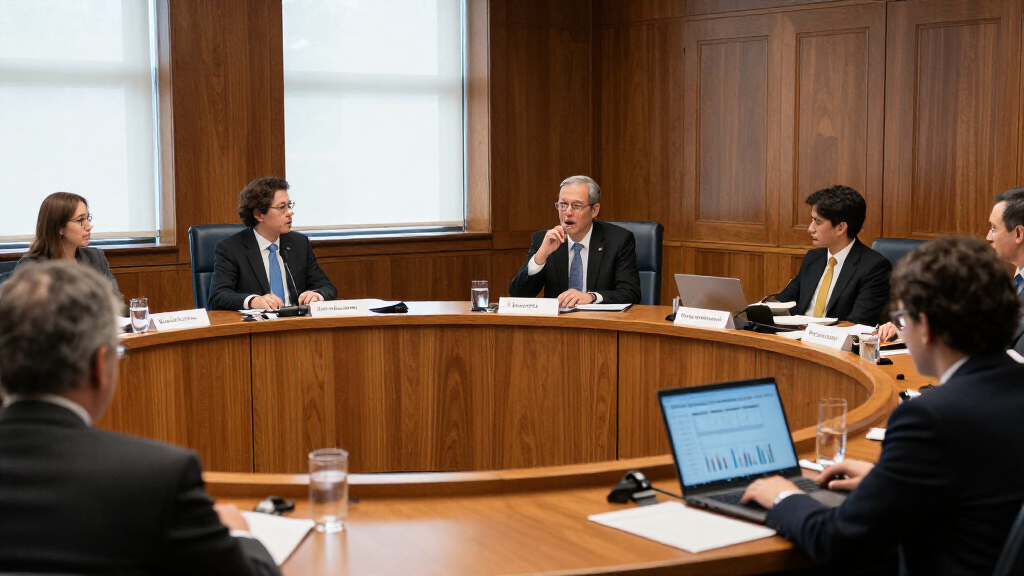
RBA Governor Michele Bullock told a Senate committee on 28 October that inflation is likely to be higher than the central bank projected in August, as Middle East conflict lifts energy prices and domestic capacity pressures persist. The RBA has raised its cash rate target by 100 basis points in total this year, including a 25-basis-point increase since the committee’s June hearing.
Reserve Bank of Australia Governor Michele Bullock told a Senate committee on 28 October that inflation is likely to be higher than the bank’s August forecast, as renewed conflict in the Middle East pushes up energy costs and domestic capacity pressures remain. The warning came alongside confirmation that the RBA’s Monetary Policy Board has lifted the cash rate target by 25 basis points since its June hearing, taking this year’s cumulative increase to 100 basis points.
In her opening statement to the Senate Economics Legislation Committee’s supplementary budget estimates hearing, Bullock said the rate increases were aimed at returning inflation to the midpoint of the RBA’s 2–3 per cent target range. Inflation had fallen from a peak of 7.9 per cent at the end of 2022 and spent a period within the target range in 2024 and 2025, but rose again in the second half of 2025. It has since remained above target, at about 3½ to 4 per cent year-ended, she said.
The governor said the August forecast had anticipated inflation returning to around the target midpoint in late 2027. Since that forecast, the Middle East conflict has escalated again and global energy prices have climbed beyond the assumptions used in the projections. Bullock said higher oil prices would add to inflation directly and through transport and other costs that businesses may pass on. She also cited elevated short-term inflation expectations and higher prices for some agricultural and technology-related goods.
Bullock said global cost increases were compounding, but not accounting for, all of Australia’s inflation problem. The RBA continued to see pressure from domestic demand and limited capacity, alongside weak productivity growth. Although the unemployment rate had recently risen more than expected, she said the labour market appeared somewhat tighter than the bank had previously assessed. The statement did not include a new numerical inflation forecast.
Rate Rises Face Renewed Inflation Pressure
The statement signals that the RBA sees a more difficult path back to its inflation target than it did in August. Higher energy prices can raise household fuel costs and business expenses, while domestic demand and capacity constraints may sustain price pressures beyond the initial global shock. If inflation stays above target for longer, the bank may need to keep monetary policy restrictive or consider further action; Bullock’s opening statement did not announce a new rate decision.
For households and businesses, the timing matters because earlier rate increases have not yet fully worked through the economy. Bullock said monetary policy operates with a lag, so the effects of this year’s 100-basis-point cumulative increase are still to come. The bank faces a balancing task: easing inflation through subdued demand while also considering its full-employment objective and the impact of higher borrowing costs on activity.
Products Worth Considering

Samsung 27-inch Odyssey OLED G6 QD-OLED QHD Gaming Monitor

Dell UltraSharp 27 Thunderbolt Hub Monitor (U2726DER)

Samsung 27-Inch Odyssey QD-OLED G8 4K 240Hz Gaming Monitor
As an affiliate, we earn on qualifying purchases.
Inflation’s Shift Since 2024
The RBA’s stated monetary policy objective is to return inflation to the midpoint of its 2–3 per cent target range while balancing that goal against full employment. Inflation declined sharply after peaking at 7.9 per cent at the end of 2022, following significant policy tightening in 2022 and 2023. It was within the target range for a period in 2024 and 2025 before rising again in the second half of 2025.
At its June hearing, the committee last heard from the RBA before the additional 25-basis-point increase referenced in Bullock’s October statement. The August Statement on Monetary Policy projected a return to around the target midpoint in late 2027. Bullock said growth was slowing as expected, while business investment had picked up strongly, driven mostly by data-centre spending. Household spending growth had moderated only gradually.
“Inflation will therefore likely be higher than was our base case in August.”
— Michele Bullock, RBA Governor
Updated Forecasts Still Pending
The opening statement did not provide a revised inflation projection, a new estimate for when inflation might return to the target midpoint, or a numerical assessment of how much the energy shock could add to prices. Bullock said the RBA’s August baseline was likely to be exceeded, but the size and duration of the difference remain unclear from the statement.
The longer-term effects of the Middle East conflict, energy prices and other global cost pressures are also uncertain. The statement described domestic demand growth as slowing, but did not quantify how much further it may need to weaken. It also did not set out a future rate path or indicate whether the Board would raise rates again.
Committee Questions and RBA Outlook
Bullock and her colleagues told the committee they were available to answer questions at the supplementary budget estimates hearing. The next details to watch are the RBA’s subsequent assessment of inflation, energy costs and domestic capacity pressures, including any updated forecasts. The opening statement does not specify when those forecasts will be published.
Any future monetary policy decisions will depend on the Board’s assessment of incoming economic information and the balance between returning inflation to target and supporting full employment. Until the RBA provides further projections or makes another policy announcement, the extent of any additional rate action remains open.
Key Questions
What did the RBA Governor tell the Senate committee?
Michele Bullock said inflation is likely to be higher than the RBA’s August forecast because global energy costs have risen and domestic capacity pressures persist.
How much has the RBA raised its cash rate target this year?
Bullock said the cumulative increase in the cash rate target this year is 100 basis points, including a 25-basis-point rise since the committee’s June hearing.
What is the RBA’s inflation target?
The RBA aims for inflation to return to the midpoint of its 2–3 per cent target range, while balancing that objective with full employment.
Did the opening statement announce another rate rise?
No. It described the Board’s recent rate decision and the changing inflation outlook, but did not announce a new rate change or state a future rate path.
Source: bis.org