
TL;DR

Get business pricing on office and shipping supplies
- Business-only prices and quantity discounts
- Tax-exempt purchasing
- Multiple users, one account, clear invoices
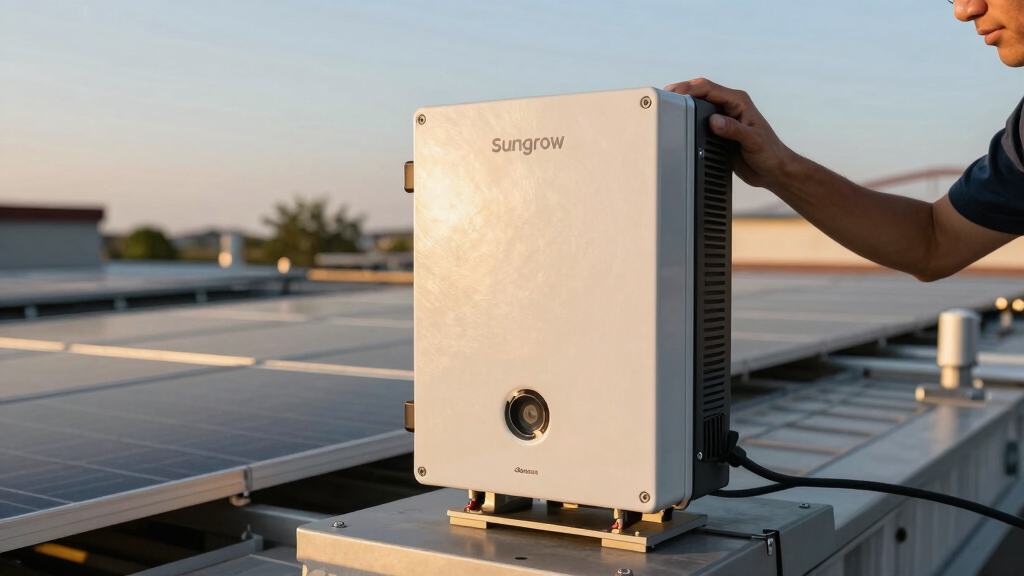
Sungrow and TÜV Rheinland have announced the release of the world’s first industry standards for inverter long-term reliability. This development aims to improve durability and performance in solar energy systems. Details on implementation and industry impact are still emerging.
Sungrow and TÜV Rheinland have unveiled the world’s first industry standards for inverter long-term reliability. This initiative aims to set a new benchmark for durability and performance in solar power systems, potentially transforming industry expectations and quality assurance practices.
The standards were officially released in a joint statement by Sungrow, a leading solar inverter manufacturer, and TÜV Rheinland, a global testing and certification organization. These standards establish specific criteria for inverter durability, performance over extended periods, and resilience under various environmental conditions.
According to the announcement, the new standards are designed to address longstanding concerns about inverter failures and maintenance costs in solar energy projects. They incorporate rigorous testing protocols that evaluate components’ long-term stability, including thermal cycling, humidity resistance, and operational lifespan.
Sungrow CEO, Li Wei, stated that this initiative represents a significant step toward improving product quality and customer confidence, emphasizing that “reliable inverters are critical for the sustainable growth of solar energy.” TÜV Rheinland’s representatives highlighted that these standards will facilitate industry-wide quality improvements and foster innovation in inverter design.
Industry-Wide Impact of New Reliability Standards
The introduction of the world’s first standards for inverter long-term reliability could significantly influence the solar industry by raising quality benchmarks. This development may lead to fewer inverter failures, reduced maintenance costs, and increased system uptime for solar projects globally. It also positions Sungrow and TÜV Rheinland as leaders in setting industry quality norms, potentially prompting other manufacturers to adopt similar standards.
For investors, developers, and consumers, these standards could translate into increased confidence in solar investments, as inverter reliability directly affects project performance and financial returns. The standards may also accelerate innovation in inverter technology, encouraging manufacturers to develop more durable and efficient products.
solar inverter long-term reliability
As an affiliate, we earn on qualifying purchases.
As an affiliate, we earn on qualifying purchases.
Background on Inverter Reliability and Industry Standards
Inverters are critical components in solar power systems, converting DC electricity generated by solar panels into usable AC power. Despite their importance, inverter failures have been a common issue, often leading to costly repairs and system downtime. Historically, industry standards for inverter durability have been informal or regionally varied, leading to inconsistent quality and performance expectations.
In recent years, increasing solar deployment worldwide has highlighted the need for more rigorous reliability benchmarks. Prior to this announcement, some manufacturers conducted internal testing, but there were no universally recognized standards specifically addressing long-term inverter performance. The joint effort by Sungrow and TÜV Rheinland aims to fill this gap with formalized, industry-wide criteria.
“Establishing these standards marks a new era for solar inverter reliability, ensuring our customers receive products that perform consistently over their lifespan.”
— Li Wei, CEO of Sungrow
As an affiliate, we earn on qualifying purchases.
Uncertainties About Industry Adoption and Implementation
It is not yet clear how quickly or widely these standards will be adopted across the industry. While Sungrow and TÜV Rheinland have promoted their standards as industry benchmarks, other manufacturers may or may not align with these criteria in their products. Details on certification processes, enforcement, and global acceptance are still emerging.
Additionally, how these standards will influence existing inverter warranties and long-term performance guarantees remains to be seen.
certified solar inverter TÜV Rheinland
As an affiliate, we earn on qualifying purchases.
As an affiliate, we earn on qualifying purchases.
Next Steps for Industry Adoption and Certification Processes
Following the announcement, industry stakeholders will likely evaluate and test inverters against these new standards. Certification programs may be established or expanded to include compliance verification. In the coming months, more manufacturers might announce their alignment or adaptation to these criteria. Regulatory bodies and industry groups could also incorporate these standards into future policy frameworks.
Monitoring how quickly and broadly the standards are adopted will be key to understanding their impact on global solar markets.
solar power inverter with extended lifespan
As an affiliate, we earn on qualifying purchases.
As an affiliate, we earn on qualifying purchases.
Key Questions
What exactly do the new standards specify for inverter reliability?
The standards define specific testing protocols for durability, environmental resistance, and operational lifespan, aiming to ensure long-term performance and reduce failure rates.
Will all inverter manufacturers need to comply with these standards?
It is not yet clear if compliance will be mandatory or voluntary. Industry adoption will depend on certification processes and market demand.
How might these standards affect solar project costs?
Increased reliability could reduce maintenance and replacement costs over the system’s lifespan, potentially offsetting initial certification expenses.
When will these standards be officially implemented across the industry?
Implementation timelines are still being discussed, but industry stakeholders expect certification and adoption processes to unfold over the next 12-24 months.
Could these standards influence global solar markets?
Yes, if widely adopted, they could set a new global benchmark for inverter quality, impacting manufacturer competitiveness and project reliability worldwide.
Source: primary
Halloween Picks
halloween
As an affiliate, we earn on qualifying purchases.