
As a merchant, you need to be aware of transaction laundering risks, where criminals disguise illegal transactions as legitimate ones, exploiting weak payment processes. Weak security and lax customer verification can let illicit actors use your infrastructure for money laundering, risking your reputation and legal issues. To protect your business, regularly audit your systems, employ advanced fraud detection, and monitor suspicious activity closely. Stay alert—you’ll find more ways to safeguard your operations as you explore further.

Get office and shipping supplies delivered free — and shop member deals
- Fast, free delivery on millions of items
- Access to Prime Big Deal Days deals on October 6–7
- Prime Video, Amazon Music and more included
Key Takeaways
- Transaction laundering involves disguising illegal transactions as legitimate, exploiting payment processes and merchant infrastructure.
- Weak payment gateway security can enable fraudsters to submit illicit transactions and bypass controls.
- Criminals may use stolen identities or fake documents during onboarding, increasing laundering risks.
- Regular security audits, multi-layered fraud detection, and staff training are vital to mitigate risks.
- Staying informed about evolving laundering tactics and updating security measures protect merchant reputation and compliance.
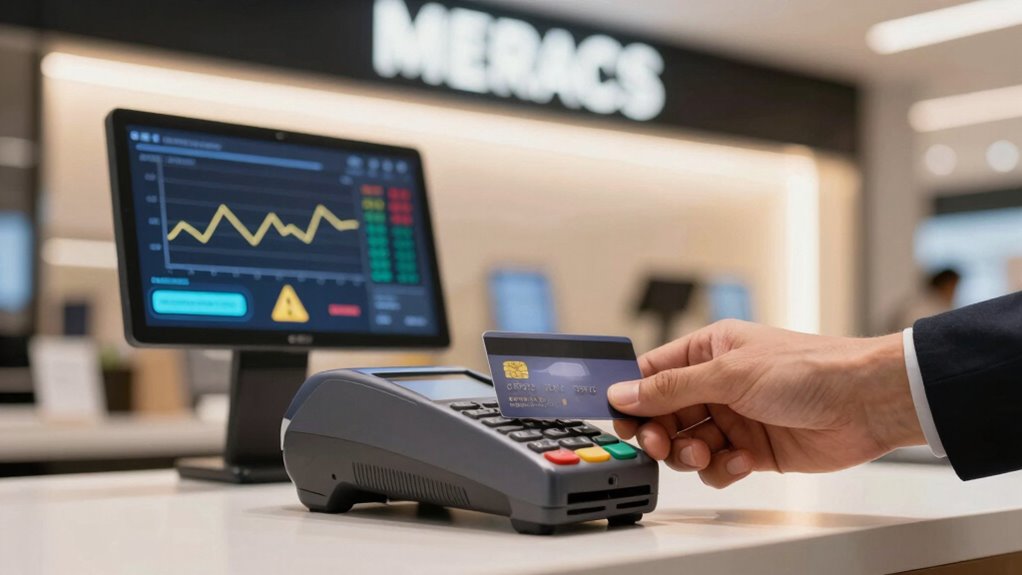
Are you aware of the hidden risks that transaction laundering poses to your business? It’s a threat that can undermine your operations, damage your reputation, and even lead to legal consequences. At its core, transaction laundering involves criminals disguising illegal transactions as legitimate ones, often by exploiting vulnerabilities within your payment processes. Understanding how this works is essential to protecting your business from falling victim.
One of the primary vulnerabilities lies in payment gateways. These systems act as the bridge between your customers and your bank, handling sensitive financial information and authorizations. If your payment gateway isn’t secure enough, it becomes an easy target for fraudsters looking to hide illicit transactions under legitimate-looking data. Payment gateway vulnerabilities can allow criminals to bypass controls, submit fraudulent transactions, and use your infrastructure as a conduit for money laundering. That’s why it’s vital to regularly audit your payment gateway security, implement multi-layered fraud detection tools, and stay updated with the latest security standards. A weak payment gateway isn’t just a technical issue; it’s a gateway for criminals to exploit your trust and resources. Regular security audits can help identify and address potential weaknesses before they’re exploited. Additionally, understanding the importance of technology vulnerabilities in payment processing can help you prioritize security enhancements. Incorporating compliance with security standards can further strengthen your defenses against transaction laundering. Recognizing the role of cybersecurity tactics can enhance your ability to defend against increasingly sophisticated threats. Moreover, staying informed about emerging fraud detection techniques is crucial for maintaining a robust security posture.
Alongside technical vulnerabilities, you face customer verification challenges that can make your business an easy target. Criminals often use stolen identities or fake documents to set up accounts that look genuine. If your customer verification processes are lax or outdated, you might unknowingly onboard these illicit actors. This allows them to conduct transaction laundering activities with relative ease. Tightening your verification procedures—using advanced identity checks, biometric verification, or real-time screening—can greatly reduce this risk. The challenge is balancing thorough verification with a smooth customer experience. Too strict, and you might lose legitimate sales; too lenient, and you invite fraud. Finding that balance requires continuous adjustment and investment in reliable verification technology.
Being aware of these vulnerabilities is your first step toward mitigation. You need to actively monitor transactions for suspicious patterns, stay informed about common laundering tactics, and work closely with your payment processors to identify potential red flags. Regular staff training on transaction laundering risks can also improve your ability to spot and respond to signs of illicit activity. Remember, criminals adapt quickly, and so should your defenses. The more you understand about how payment gateway vulnerabilities and customer verification challenges can be exploited, the better equipped you’ll be to defend your business. Protecting your reputation, your assets, and your customers’ trust depends on proactive measures—so stay vigilant, invest in robust security, and keep your eyes open for signs of transaction laundering.
As an affiliate, we earn on qualifying purchases.
Frequently Asked Questions
How Can Merchants Detect Transaction Laundering Early?
You can detect transaction laundering early by actively monitoring your transactions through fraud detection tools that flag suspicious patterns. Conduct regular risk assessments to identify unusual activity, such as inconsistent billing or high transaction volumes. Keep an eye on transaction details like IP addresses and customer info, and verify transactions that seem out of the ordinary. Early detection helps prevent laundering schemes and protects your business from potential financial and reputational damage.
What Are the Penalties for Unknowingly Participating in Laundering?
Getting involved in laundering unknowingly can pull you into a legal storm, risking hefty fines or even license suspension. The penalties for such compliance challenges are serious, and financial regulations demand strict adherence. Ignorance isn’t a shield here; authorities hold merchants responsible. You must stay vigilant, implement robust compliance procedures, and educate your team to avoid becoming an unwitting accomplice in illegal activities. Staying compliant keeps your business afloat and your reputation intact.
How Does Transaction Laundering Impact Merchant Reputation?
Transaction laundering can seriously damage your merchant reputation because customers and partners lose trust when they discover your business is involved in illegitimate activities. It threatens transaction integrity, making transactions seem unreliable or suspicious. Once your reputation is compromised, it’s tough to regain customer confidence. To protect your business, make certain all transactions are transparent and comply with regulations, maintaining a strong reputation built on trust and integrity.
Are Small Businesses More at Risk of Transaction Laundering?
Like a small boat in a storm, small businesses are more vulnerable to transaction laundering. Their limited resources and less robust security measures make them prime targets for sophisticated transaction laundering techniques. These schemes often exploit small business vulnerabilities, hiding illicit transactions beneath legitimate operations. As a result, small merchants risk financial penalties, reputational damage, and increased scrutiny, emphasizing the need for vigilant monitoring and strong compliance practices to navigate these murky waters safely.
What Tools Are Available to Monitor for Laundering Activities?
You can use advanced fraud detection tools that analyze transaction patterns to spot suspicious activities. These tools monitor for unusual volume spikes, inconsistent transaction details, or rapid changes in customer behavior, which may indicate laundering. Automated systems help you identify potential risks early, enabling you to take action swiftly. Regularly updating your monitoring software and staying informed about new laundering techniques also enhances your ability to prevent fraud effectively.
fraud detection software for merchants
As an affiliate, we earn on qualifying purchases.
As an affiliate, we earn on qualifying purchases.
Conclusion
Understanding transaction laundering risk is vital for you as a merchant. Did you know that over 70% of merchants aren’t fully aware of this threat, leaving them vulnerable? By staying informed and vigilant, you can protect your business from hidden illegal activities that could damage your reputation and lead to financial penalties. Remember, proactive monitoring and awareness are your best defenses. Stay alert, stay secure, and keep your transactions legitimate to guarantee your business thrives without unnecessary risks.
As an affiliate, we earn on qualifying purchases.
multi-layer fraud prevention systems
As an affiliate, we earn on qualifying purchases.
As an affiliate, we earn on qualifying purchases.
Halloween Picks
halloween
As an affiliate, we earn on qualifying purchases.