
🔍 Read the full analysis: The AI Boom Could Have Consequences Beyond Data Centers on ThorstenMeyerAI.com

Get business pricing on office and shipping supplies
- Business-only prices and quantity discounts
- Tax-exempt purchasing
- Multiple users, one account, clear invoices
TL;DR
SK hynix says memory demand is likely to exceed supply through 2030, citing AI demand and the time needed to build factories. The company’s warning comes as memory prices rise and device makers face higher costs, although the scale of future shortages and their effect on retail prices remain uncertain.
SK hynix said on October 28 that memory demand is likely to exceed supply through 2030, warning that high prices and shortages could weigh on shipments of PCs and mobile phones. The forecast links the growth of AI data centers to costs facing ordinary device buyers, because AI chips and consumer electronics rely on memory produced by the same manufacturers and, in part, from the same wafer capacity.
In its earnings release, the South Korean chipmaker attributed the projected supply gap to strong market growth, the technical difficulty of advanced manufacturing and the long lead time for new factories. The release did not specifically discuss phones or PCs. On the earnings call, Chief Financial Officer Kim Woo-Hyun said shipment volumes for those devices were expected to decrease because of rising memory costs and supply constraints, while AI infrastructure demand would more than offset that decline.
SK hynix also described demand that already exceeds its available output for high-bandwidth memory, or HBM, the stacked memory used alongside AI processors. An executive said customer volume requirements for HBM were more than twice what the company could supply at the time. The company said agreements with 14 major customers, typically lasting five years, cover more than half of its production capacity for 2027 and 2028; the contracts include deposits.
Other companies have offered their own forecasts, which are not identical. Samsung has said tight supply could continue into 2028, while Micron has said it has no “line of sight” to a supply-demand balance. The source report also cites Tom’s Hardware’s price index: a 32-gigabyte DDR5-6000 kit cost at least $447 in the United States, compared with a recorded low of $72. Those figures describe a particular kit and price index, not the cost of all computer memory.
Infographic 01 · Where the memory goes
AI data centers get first call on memory.
High-bandwidth memory (HBM) for AI chips and the memory in your phone come out of the same factories. HBM needs far more wafer per gigabit, and its buyers sign years ahead.
The bakery problem
HBM share of wafers vs. share of the memory bits they produce
Same factories, same wafers: every wafer used for AI memory is missing from phone and PC memory.
Who gets first call
Long contracts lock up supply years ahead
- SK hynix: deals with 14 major customers, usually five years, with deposits; more than 50% of 2027–2028 capacity
- Micron: more than 75% of fiscal 2027 shipments already committed
- HBM demand: customers want “more than double” what SK hynix can supply today
- Cloud budgets: memory ≈ 47% of big cloud providers’ capex in 2026, 68% in 2027 (TrendForce estimates)
Three makers, three horizons, one customer’s view
- SK hynixThrough 2030Demand above supply (company forecast)
- SamsungInto 2028Tight supply, based on market research
- MicronNo “line of sight”Tighter in 2027 and 2028 than in 2026
- Acer (customer)Easing from 2H 2027Says suppliers talk up the shortage
HBM is a wedding cake, phone memory is bread. Same ovens. The cake customers pay more and order years ahead.Thorsten Meyer · my analogy
Sources: TrendForce, 2 Jun (wafer and bit shares, estimates); TrendForce, 25 Aug (capex shares, estimates); SK hynix, 28 Oct 2026; SK hynix call, 28 Oct; Micron call, 30 Sep; The Register, 1 Oct; Samsung call, 29 Oct; Acer via Tom's Hardware / DigiTimes. Wafer-per-gigabit ratio: my arithmetic. All horizons are forecasts.
Powered by Thorsten Meyer AI
How AI Demand Reaches Device Buyers
The forecast matters because memory is an input in phones, laptops and desktop PCs, not just the servers used to run AI systems. If suppliers direct more production toward HBM and other higher-margin products, manufacturers of consumer devices may face higher component costs or difficulty securing the memory they need. Those pressures can reach shoppers through higher prices or changes to product specifications, although the extent depends on supply, contracts and manufacturers’ pricing choices.
The source report cites TrendForce estimates that contract prices for conventional memory rose 93% to 98% in the first quarter of 2026, then continued rising in subsequent quarters. That is a market-price measure, not a direct calculation of how much any particular phone or PC should cost. The report also cites IDC forecasts of a $581 average smartphone price for 2026, up 27.6%, and reported shipment declines for the third quarter. These figures indicate pressure across the market, but do not by themselves establish that memory shortages caused every price increase or shipment decline.
For consumers, the practical effects may include paying more for a device with similar capabilities or seeing lower memory and storage configurations at a given price. The source report says some manufacturers have reduced storage, camera or memory specifications in mainstream models and that some phone makers reuse recycled memory chips, citing TrendForce and Counterpoint. The scale and prevalence of those responses vary by manufacturer and model.
Products Worth Considering
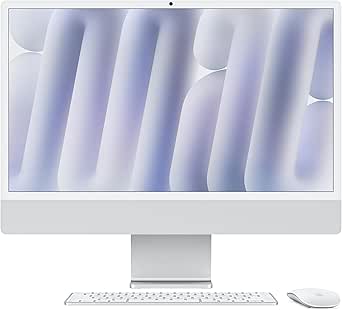
Apple iMac 2024 All-in-One Desktop with M4 Chip, 24‑inch Retina Display, 16GB Unified Memory, 256GB SSD, Silver

Dell XPS 13 9350 Laptop, 13.4 FHD+ Display, Intel Ultra 7 256V, 16GB DDR5, 1TB SSD

Brother TD-2020A 2‑Inch Direct Thermal Desktop Label Printer with USB
As an affiliate, we earn on qualifying purchases.
Why HBM Competes for Wafer Capacity
HBM is a form of DRAM, the temporary working memory used while a device or computer runs. Unlike standard memory modules, HBM stacks multiple DRAM chips and connects them with vertical wiring, allowing data to move rapidly between the memory and an AI processor. Phones and laptops also use DRAM, while NAND flash provides longer-term storage for apps, photos and files.
The source report says HBM and conventional memory draw on the same manufacturers’ wafer capacity. HBM production is more resource-intensive: TrendForce estimates cited in the report put HBM at about 22% of wafer starts by the three largest producers by the end of 2026, while accounting for about 9% of memory bits. The report’s author calculates from those estimates that HBM uses roughly three times as much wafer capacity per bit as conventional memory. That is an attributed calculation, not a company-reported production ratio.
Building capacity cannot immediately resolve the pressure. SK hynix says new production facilities take a long time to build and advanced processes are technically demanding. Its supply outlook is a corporate forecast, not a guarantee that shortages will last for precisely the period stated.
“Supply is not keeping pace with the growth of the market.”
— SK hynix, in its October 28 earnings release
How Long the Shortage Will Last
The duration and severity of any shortage remain uncertain. SK hynix’s through-2030 forecast is the company’s outlook, while Samsung’s stated horizon runs into 2028 and Micron has not provided a date for balance in the wording cited. These statements are not independent confirmation that the market will remain short throughout the same period.
There is also a dispute over how to interpret suppliers’ warnings. The source report says Acer has accused suppliers of talking up the shortage to protect margins. That is an allegation, not an established finding. Memory manufacturers are reporting strong demand and constrained capacity, but they also stand to benefit from higher prices; customers such as device makers have their own commercial interests. The available material does not resolve that disagreement.
It is not yet clear how much of the reported component-price increase will reach consumers, which product categories will be most affected, or whether device makers can offset costs through design changes, inventory or other sourcing. Shipment forecasts and reported quarterly declines also do not isolate memory costs from other factors affecting demand.
Signals to Watch in Coming Results
The next useful updates will come from memory suppliers’ earnings reports and supply guidance, including whether they revise their timelines or disclose changes in production and customer contracts. The source material identifies long-term agreements covering a substantial share of SK hynix’s 2027–28 capacity, so further disclosures about those commitments could help clarify how much output remains available to other buyers.
For consumers and device makers, upcoming reports on memory contract prices, PC and smartphone shipments, and product specifications will show whether the pressure is continuing to spread. Those indicators can track the market, but they will not by themselves prove that AI demand caused every change in device prices or sales. For now, the confirmed development is a major supplier’s long-range warning; the precise effects on availability and retail prices remain to be seen.
Key Questions
What did SK hynix announce?
On October 28, 2026, SK hynix said it expects memory demand to exceed supply through 2030, citing demand growth, manufacturing challenges and the time needed to build new facilities.
Why can AI data centers affect phone and PC memory?
AI processors use high-bandwidth memory, which is made by major memory suppliers that also produce memory for consumer devices. The source report says both product types compete for some of the same wafer capacity.
Does the forecast mean phone and PC prices will rise?
Not necessarily by a predictable amount. Higher memory costs can put pressure on device prices or specifications, but the final effect depends on supply, manufacturers’ decisions and other costs. No specific price increase for all phones or PCs is confirmed.
How long do other chipmakers expect tight supply to last?
The source report says Samsung expects tight supply into 2028, while Micron has said it has no “line of sight” to balance. These are company assessments, and their timelines differ from SK hynix’s forecast.
Is it certain that AI demand caused the reported device shipment declines?
No. SK hynix’s finance chief said rising memory costs and shortages were expected to reduce PC and mobile shipments, but the supplied information does not establish that memory constraints explain all reported shipment changes. Other causes may also affect demand.
Source: ThorstenMeyerAI.com