
TL;DR

Get business pricing on office and shipping supplies
- Business-only prices and quantity discounts
- Tax-exempt purchasing
- Multiple users, one account, clear invoices
Hugging Face launched Microduck, a small robot with an open-source AI engine designed for movement and learning. The platform aims to democratize embodied AI, though privacy and security concerns remain. The company is also reportedly nearing acquisition by Nvidia.
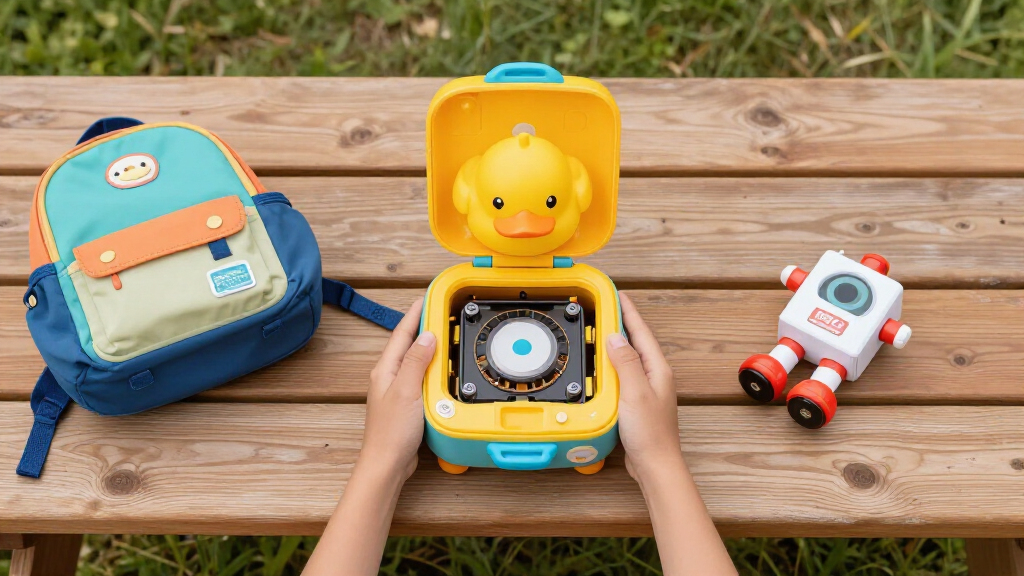
Hugging Face has unveiled Microduck, a small, open-source robot designed for movement and learning, with its AI engine fully accessible on GitHub. This development signals a significant shift in making embodied AI more approachable and modifiable by developers outside traditional robotics labs. The company emphasizes that the platform is intended to democratize physical AI development, not just produce a toy.
The Microduck stands about 25 centimeters tall, weighs under 800 grams, and features 15 motors, IMUs for balance, a camera, microphone, WiFi, Bluetooth, and a LiDAR sensor. It can perform actions such as waddling, sitting, recovering from falls, and following laser pointers. Preorders opened at $399, with shipments scheduled before Christmas. The hardware is designed to be robust enough for trial-and-error reinforcement learning, with a focus on fall-tolerance and affordability, making hands-on AI training feasible for a broader developer base.
The key innovation is the open-source software stack, including the simulation environment and full reinforcement learning toolkit, which are available on GitHub. This allows developers to read, fork, and retrain the robot’s AI, aligning with Hugging Face’s established philosophy of open model weights for software. The platform aims to make embodied AI accessible to non-specialists, contrasting with the more proprietary and expensive systems typical in the industry.
Implications for Democratizing Physical AI Development
This launch marks a pivotal step toward making embodied AI more accessible and modifiable by a wider range of developers. By providing an open, affordable platform, Hugging Face challenges the dominance of proprietary, high-cost robotics systems and fosters innovation outside traditional labs. The approach could accelerate research, experimentation, and deployment of physical AI applications in education, hobbyist projects, and small-scale industry use. However, the open nature also raises concerns about security, privacy, and misuse, especially given recent breaches in open AI infrastructures.
As an affiliate, we earn on qualifying purchases.
Open-Source Trends and Industry Dynamics in Robotics
Hugging Face’s move follows a broader trend of open-sourcing AI tools, which has historically lowered barriers for software development. The company’s previous success with open model weights has established its reputation for democratization in AI. The Microduck project extends this philosophy into embodied systems, aiming to shift the robotics field away from proprietary, expensive solutions towards accessible, community-driven development. The announcement comes amid industry discussions about security vulnerabilities in open infrastructure, exemplified by recent breaches at platforms like OpenAI, which highlight the risks and opportunities of open systems in AI and robotics.
Additionally, reports indicate that Hugging Face is nearing acquisition by Nvidia at a valuation around $13 billion, which could influence its strategic direction and the openness of its platforms. Nvidia’s support for open-source initiatives and its dominance in AI hardware may further accelerate the adoption and integration of Microduck-like systems into broader AI ecosystems.
“Our goal with Microduck is to make embodied AI as approachable and modifiable as software models, lowering the barrier for innovation in robotics.”
— Clem Delangue, CEO of Hugging Face
robotics reinforcement learning platform
As an affiliate, we earn on qualifying purchases.
As an affiliate, we earn on qualifying purchases.
Security and Privacy Concerns with Open Robotics Platform
While the software is open and intended for modification, it remains unclear how Hugging Face plans to address potential security vulnerabilities inherent in open systems. The recent breach at OpenAI demonstrates that open infrastructure can be exploited, raising questions about safeguarding user data and preventing malicious use of the Microduck platform. The company has not yet provided detailed security protocols or privacy safeguards specific to this product.
As an affiliate, we earn on qualifying purchases.
Next Steps for Microduck and Open Robotics Ecosystem
Hugging Face is expected to release detailed documentation and developer tools alongside the shipping of Microduck units before Christmas. The company may also host community forums and workshops to foster ecosystem growth. Monitoring how developers adopt and adapt the platform, as well as how security measures evolve, will be critical in assessing its long-term impact. The potential acquisition by Nvidia could also influence future hardware and software integrations, possibly expanding the platform’s reach and capabilities.
As an affiliate, we earn on qualifying purchases.
Key Questions
Can I modify the Microduck’s AI system for my own projects?
Yes, the full reinforcement learning stack and simulation environment are open-source on GitHub, allowing you to read, fork, and retrain the AI for your own applications.
What are the privacy implications of having a camera and microphone in the robot?
The device includes sensors that live in your home, which raises privacy considerations. Users should be aware of data collection and storage practices, as the platform is designed for learning and development purposes.
Will the open-source platform be secure against hacking or misuse?
Security measures are not fully detailed yet, and given recent breaches in open AI systems, there is an inherent risk. Developers and users should remain cautious and advocate for robust security protocols.
Is this platform suitable for commercial or industrial use?
Currently, Microduck is designed as a developer and learning platform, not for commercial or industrial deployment. Its focus is on education, experimentation, and community-driven innovation.
How does Hugging Face’s reported acquisition by Nvidia affect this project?
If the acquisition proceeds, Nvidia’s support could accelerate hardware development and integration, potentially expanding the platform’s capabilities and reach in the AI ecosystem.
Source: ThorstenMeyerAI.com
Halloween Picks
halloween
As an affiliate, we earn on qualifying purchases.