

When you authorize a transaction, funds are temporarily held, but no money moves until settlement. You can reverse the authorization within a few days to cancel the hold and prevent the transaction from settling, especially if you spot fraud or errors. Settlement typically occurs within 1-3 business days, but this can vary. Managing timing carefully helps avoid disputes and ensures smooth processing. To understand how timing affects your transactions and when reversals are most effective, keep exploring further details.

Get business pricing on office and shipping supplies
- Business-only prices and quantity discounts
- Tax-exempt purchasing
- Multiple users, one account, clear invoices
Key Takeaways
- Authorization holds funds temporarily; reversing it before settlement cancels the transaction and releases the hold.
- Settlement typically occurs within 1-3 business days, but timing can vary by processor.
- Reversing authorization within the allowed window prevents charges from finalizing and reduces fraud risk.
- Monitoring transaction status helps determine if a reversal is needed before settlement occurs.
- Proper timing of reversals and understanding settlement schedules optimize cash flow and dispute management.
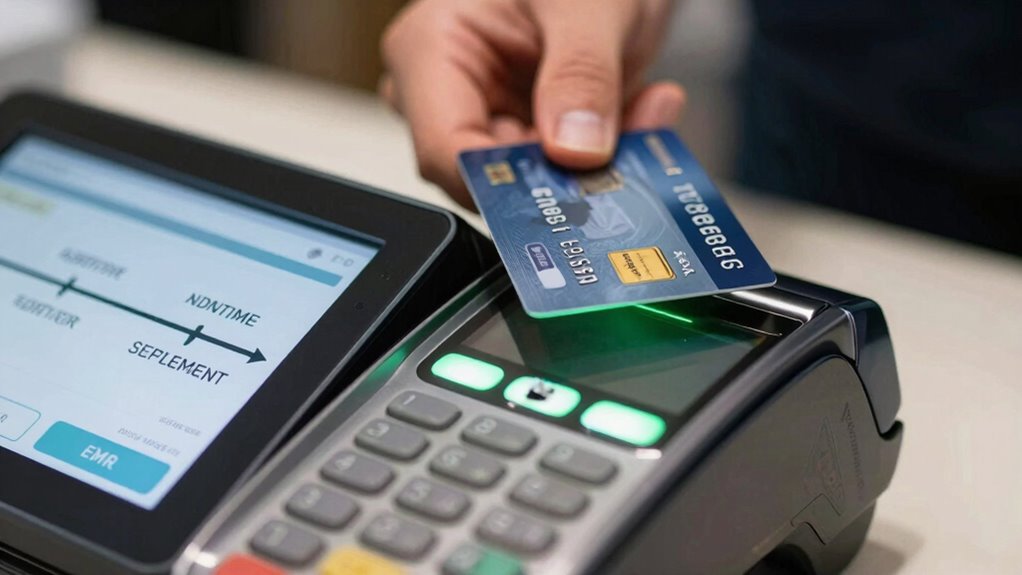
Understanding the timing between authorization reversals and settlement is crucial for managing your transactions effectively. When you process a credit or debit card, the authorization step confirms that the customer has sufficient funds and that their card is valid. This initial authorization holds the amount temporarily, but it doesn’t complete the actual transfer of funds. If your business needs to cancel or modify a transaction, you might perform an authorization reversal before settlement. Knowing exactly when to reverse authorization and how it impacts the settlement process helps you avoid unnecessary complications, such as transaction disputes or payment delays.
Timing is critical because authorization reversals typically occur before the settlement process completes. If you reverse authorization within the allowed window—often within a few days—you prevent the pending transaction from settling, which means the customer won’t be charged. This can be especially useful in cases of fraud prevention, where suspicious activity or errors are identified early. Acting swiftly ensures that fraudulent transactions are stopped before funds are transferred, saving you potential losses and reducing the risk of chargebacks. Conversely, if you delay or miss the reversal window, the transaction may settle, and you’ll have to initiate a dispute or refund process afterward, which could be more time-consuming and costly.
Reversing authorization within a few days prevents settlement, avoiding charges and reducing fraud risks.
Settlement timing itself varies depending on your payment processor and banking institutions. Typically, transactions are settled within one to three business days after authorization, but some processors offer same-day or next-day settlement options. Understanding these timeframes enables you to plan your cash flow more accurately and reduces the chances of overfunding or underfunding your accounts. Additionally, proper timing can help you manage transaction disputes more effectively. If a customer disputes a charge, knowing whether the transaction has already settled or is still pending allows you to take appropriate action—either addressing the dispute directly before settlement or preparing for a chargeback process afterward.
In practice, closely monitoring your authorization and settlement timelines also supports your fraud prevention strategies. By tracking transactions in real-time, you can spot suspicious patterns early and take action—like reversing authorization or flagging a transaction for review. This proactive approach minimizes the potential for fraudulent activities and protects your business reputation. Proper timing and oversight are further supported by understanding authorization windows, which can vary depending on your payment processing setup and banking rules. Recognizing the derating factors that can affect transaction timing, such as altitude or temperature, further enhances your ability to manage these processes effectively. Being aware of processing delays can also help you anticipate and address any unexpected issues that might arise during settlement. Ultimately, understanding the intricate timing between authorization reversals and settlement isn’t just about keeping your cash flow smooth; it’s a critical part of safeguarding your business from fraud and managing transaction disputes efficiently.
As an affiliate, we earn on qualifying purchases.
Frequently Asked Questions
How Do Authorization Reversals Affect Customer Refunds?
Authorization reversals can complicate customer refunds, especially during transaction disputes or fraud prevention efforts. When a reversal occurs, it cancels the hold on funds, which might prevent you from issuing a refund if the transaction hasn’t settled fully. You need to coordinate with your payment processor to verify refunds are processed correctly. Being aware of these reversals helps you manage customer disputes effectively and reduces the risk of financial losses.
Can Settlement Timing Vary Between Different Payment Processors?
Yes, settlement timing can vary between different payment processors due to payment processor differences. Some processors settle transactions quickly, often within a day, while others may take several days or longer. These settlement timing variations depend on their internal processes, banking relationships, and transaction volume. As a merchant, it’s important to understand these differences so you can manage cash flow expectations and inform customers accurately about when their funds will be settled.
What Are Common Reasons for Delayed Settlements?
You might think payment processing is a swift affair, but often, transaction delays are the culprits behind delayed settlements. Ironically, complex fraud checks, manual reviews, or high transaction volumes can slow things down, making you wait longer than expected. Payment processing isn’t as instant as it seems, and these common reasons for delays remind you that behind the scenes, systems are working hard to guarantee security and accuracy.
How Can Merchants Track Authorization Statuses in Real-Time?
You can track authorization statuses in real-time by using your payment processor’s dashboard or API, which provides instant authorization updates. Implementing real-time monitoring tools allows you to receive immediate alerts about approval, decline, or reversal statuses. This proactive approach helps you manage transactions more effectively, minimizes delays, and guarantees you stay updated on authorization changes as they happen, giving you better control over your payment processes.
Are There Industry Standards for Settlement Timeframes?
Settlement timeframes generally follow industry benchmarks, but they can vary widely depending on your payment processor and bank. Typically, settlements happen within 1-3 business days, but some may take longer, making consistency essential. Think of it as a well-choreographed dance—knowing the rhythm helps you stay in sync. By understanding these industry standards, you can better manage your cash flow and set clear expectations with customers.
payment settlement tracking software
As an affiliate, we earn on qualifying purchases.
As an affiliate, we earn on qualifying purchases.
Conclusion
Understanding authorization reversals and settlement timing is like steering through a busy highway—you need to stay alert and know when to pause or proceed. By grasping how these processes work, you can prevent surprises and guarantee smoother transactions. Remember, acting promptly and knowing your options is key. With this knowledge, you’ll direct your financial activities confidently, avoiding unnecessary delays or errors and keeping your transactions running as seamlessly as a well-oiled machine.
credit card authorization hold monitor
As an affiliate, we earn on qualifying purchases.
As an affiliate, we earn on qualifying purchases.
merchant transaction dispute tools
As an affiliate, we earn on qualifying purchases.
As an affiliate, we earn on qualifying purchases.
Halloween Picks
halloween
As an affiliate, we earn on qualifying purchases.