Mobile wallet security uses strong features like biometric login, encryption, and tokenization to protect your financial details. Apple Pay, Google Pay, and similar services don’t store your actual card info; instead, they use unique tokens and secure hardware elements. Regular software updates and strong passcodes further boost your safety. While these measures are robust, understanding how they work can help you get the most protection; keep exploring to learn more.
Key Takeaways
- Mobile wallets use biometric authentication, such as fingerprint or facial recognition, to verify user identity and prevent unauthorized transactions.
- Encryption standards ensure transaction data is securely coded, protecting sensitive information from interception or hacking.
- Tokenization replaces real card details with unique tokens, reducing fraud risk during mobile payments.
- Regular device security updates and strong passcodes enhance protection against unauthorized access and vulnerabilities.
- Multiple security layers, including biometric verification, encryption, and secure elements, provide comprehensive protection for mobile wallet transactions.
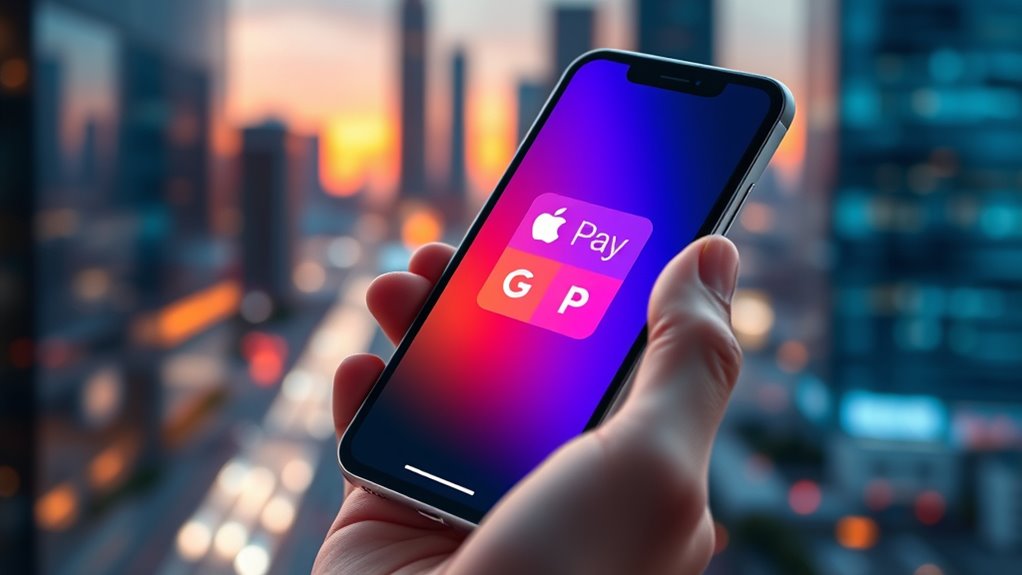
Are you confident that your mobile wallet is secure? It’s natural to wonder about the safety of your financial information when you use apps like Apple Pay, Google Pay, or other digital wallet services. The good news is that these platforms prioritize security through multiple layers of protection, but understanding how they do so can help you feel more assured. One of the key features safeguarding your mobile wallet is biometric authentication. Whether it’s fingerprint scans, facial recognition, or other biometric methods, this technology ensures that only you can authorize transactions. Instead of relying solely on passwords, biometric authentication makes it much harder for someone else to access your account, even if your device is lost or stolen.
Beyond biometric security, encryption standards play a *fundamental* role in protecting your financial data. When you make a payment, your information doesn’t travel across networks in plain text. Instead, it gets encrypted using advanced encryption standards, which transform your data into a code that’s nearly impossible for hackers to decipher. This means that even if someone intercepts the data during transmission, they won’t be able to access your sensitive information. Leading mobile wallets adhere to strict encryption protocols, *guaranteeing* your transactions stay private and secure from start to finish.
Encryption standards protect your financial data by transforming it into secure codes during transactions.
Another important aspect *to contemplate* is tokenization. When you add a card to your mobile wallet, the system replaces your actual card number with a unique, randomly generated token. This token is what gets transmitted during transactions, not your real card details. As a result, even if a hacker manages to intercept the data, they won’t find your actual account information, *substantially* reducing the risk of fraud. Additionally, many platforms incorporate device-specific identifiers and secure elements—dedicated hardware components that store sensitive data securely, isolated from the rest of your device’s operations.
Regularly updating your device’s software is also *indispensable* because it *guarantees* you have the latest security patches. Mobile wallet providers frequently release updates to address vulnerabilities and strengthen defenses. And, of course, setting strong, unique passcodes or biometric locks on your device adds an extra layer of security, preventing unauthorized access if your device is misplaced. Staying informed about security best practices and implementing them can further enhance your mobile wallet’s protection.
In the end, while no system is entirely invulnerable, the combination of biometric authentication, robust encryption standards, tokenization, and consistent updates makes your mobile wallet remarkably secure. Staying informed about these security measures and practicing good habits can give you peace of mind every time you pay with your phone.

Mantra MFS 110 L1 Biometric Single Fingerprint Scanner | Aadhaar Authentication Device | Latest Updated RD Service | High Securety and Fast scanning | Reliable and Durable
MFS110 L1 USB Fingerprint Scanner
As an affiliate, we earn on qualifying purchases.
As an affiliate, we earn on qualifying purchases.
Frequently Asked Questions
How Do Mobile Wallets Protect Against Device Theft?
When your device gets stolen, mobile wallets protect you through biometric authentication like fingerprint or facial recognition, ensuring only you can access your payment info. They also use tokenization technology, which replaces your card details with a unique code, so even if someone tries to make a purchase, they can’t access your actual card information. These security features work together to keep your financial data safe from theft.
Are Mobile Payments Susceptible to Hacking or Malware?
Did you know that less than 0.2% of mobile payments face security issues annually? While mobile payments are generally secure, you’re still at some risk of skimming or malware vulnerabilities. Hackers target weak points, but advanced encryption and tokenization protect your data. Stay cautious—avoid suspicious links and keep your app updated—to reduce the chances of falling victim to hacking or malware attacks on your mobile wallet.
Can I Use Mobile Wallets Internationally Without Issues?
Yes, you can use mobile wallets internationally without issues. Most popular services like Apple Pay and Google Pay offer international compatibility, allowing you to make payments abroad. Be aware that currency conversion fees may apply, so check your provider’s policies before traveling. confirm your device has the latest updates, and verify that your bank supports international transactions to avoid any disruptions while using your mobile wallet overseas.
What Are the Privacy Concerns With Mobile Wallet Data Collection?
You should be aware that mobile wallet providers collect data through methods like data encryption, which safeguards your info during transactions. However, they may still track your purchase habits, raising privacy concerns. While some services aim to protect user anonymity, your data could be used for targeted advertising or shared with third parties. Always review privacy policies, and consider enabling privacy settings to minimize data collection and protect your personal information.
How Often Do Mobile Wallet Security Protocols Get Updated?
Like clockwork, mobile wallet security protocols get updates—sometimes quarterly, sometimes annually—ensuring you’re protected. You’re kept safe through biometric authentication and tokenization technology, both of which are regularly refined. These updates act as a shield, adapting to new threats and vulnerabilities. You can trust that your mobile wallet stays secure, because developers prioritize frequent improvements to stay ahead of cyber threats and keep your data safe.
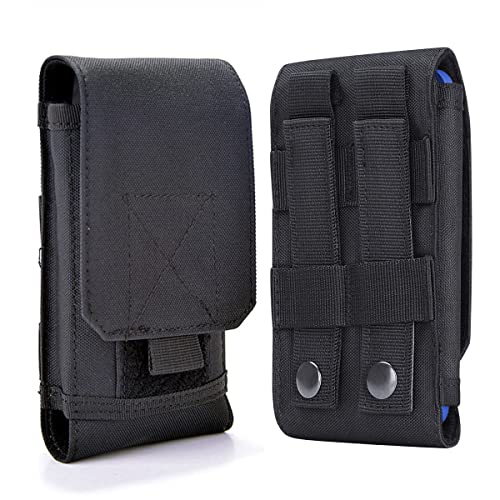
Universal Tactical MOLLE Holster Army Mobile Phone Belt Pouch EDC Security Pack Carry Accessory Kit Waist Bag Case Compatible iPhone 13 14 15 Pro XS Max XR 7 8 Plus for Samsung Galaxy S10 S9 S8 Plus
Approximate dimensions: 17cm X 9.0cm X 2.5cm / 6.7 x 3.5 x 0.98inch(L x W x T ),…
As an affiliate, we earn on qualifying purchases.
As an affiliate, we earn on qualifying purchases.
Conclusion
As you navigate the world of mobile wallets, remember that security isn’t just a feature—it’s your shield in a digital age. With cutting-edge encryption, biometric safeguards, and constant updates, these tools are designed to protect your money like a fortress. But don’t forget: your awareness and caution are the keys to truly access safety. After all, in the domain of mobile payments, you hold the power—guard it wisely, and your financial peace of mind will flourish.

THE DEFINITIVE GUIDE TO MASTERING PORTABLE STORAGE DEVICES: Essentials for Using USB Flash Drives, Memory Cards, External Hard Drives, and SSDs for Enhanced Productivity and Data Security
As an affiliate, we earn on qualifying purchases.
As an affiliate, we earn on qualifying purchases.

AICEL Motorcycle Phone Mount, Anti-Shake Bicycle Handlebar Cell Phone Holder with Secure Lock, Adjustable Motorbike Smartphone Bracket Accessories, Universal for Scooter ATV Motorcycle
【High Quality Material】: Our products are made of ABS, PC, hardware and glue filling material. ABS and PC…
As an affiliate, we earn on qualifying purchases.
As an affiliate, we earn on qualifying purchases.