
TL;DR

Get business pricing on office and shipping supplies
- Business-only prices and quantity discounts
- Tax-exempt purchasing
- Multiple users, one account, clear invoices
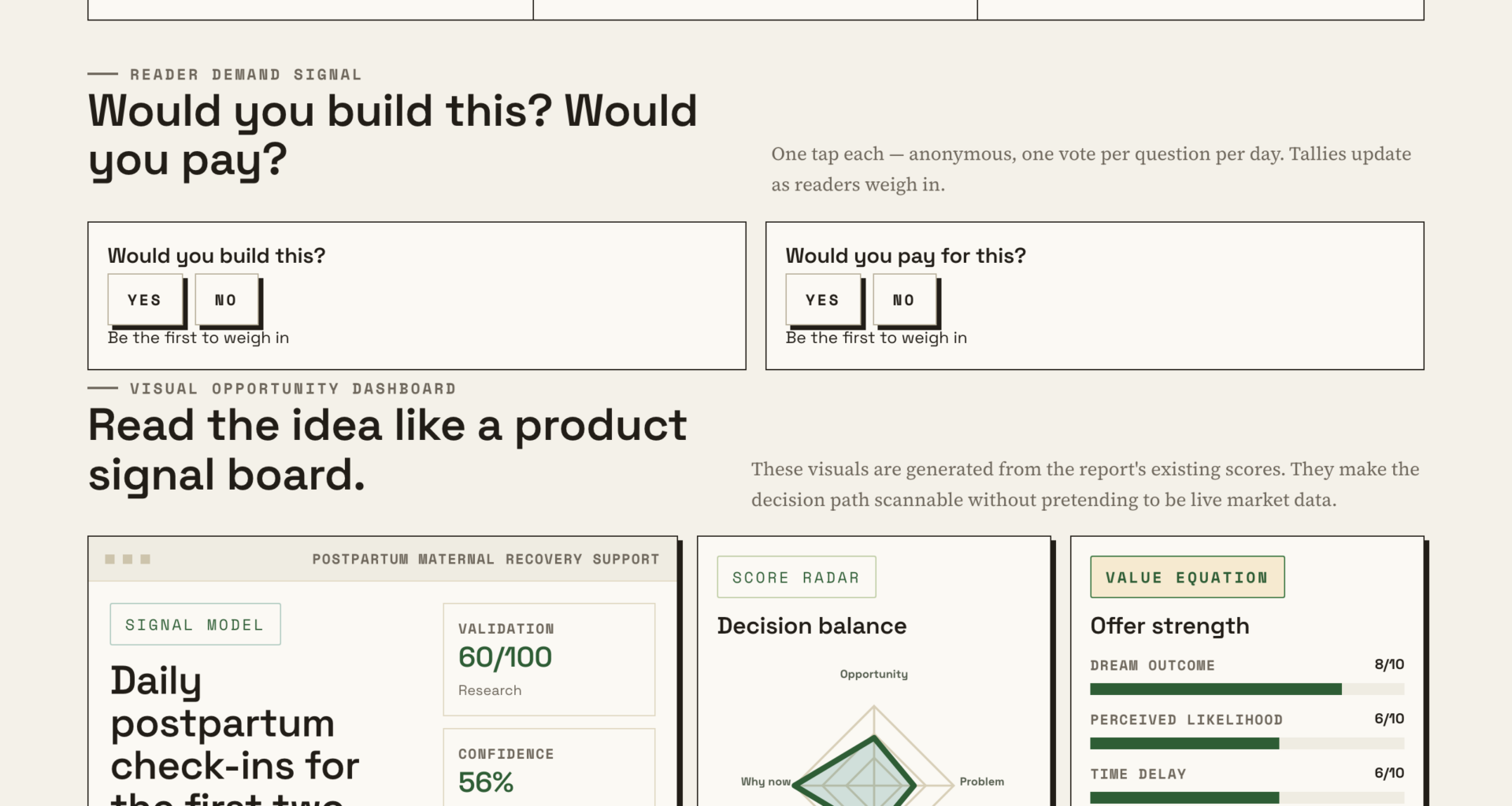
A new pilot program is testing daily postpartum check-ins for first-time mothers discharged before six weeks. This aims to improve recovery monitoring and reduce postpartum complications. The initiative is being evaluated for effectiveness and feasibility.
Researchers are testing a new approach of daily postpartum check-ins for first-time mothers discharged within the first two weeks after childbirth. This initiative aims to address the gap in postpartum care by providing personalized, daily monitoring and guidance, which could improve maternal health outcomes and reduce complications during the critical early recovery period.
The pilot program involves recruiting 15 first-time mothers within 48 hours of hospital discharge. Participants will receive daily check-ins through a mobile platform, which assess recovery symptoms, mental health, and feeding status. These check-ins are designed to generate tailored advice and prompt contact with healthcare providers if concerning symptoms are flagged.
This approach builds on current practices by offering personalized, daily engagement during the first two weeks postpartum, a period identified as high-risk due to potential complications. The program aims to test whether this method increases appropriate healthcare contact and improves recovery outcomes, compared to standard care, which typically involves a single follow-up at six weeks.
Potential Impact on Postpartum Care Standards
This initiative could transform postpartum care by providing timely, tailored support during a vulnerable period, potentially reducing maternal morbidity and readmission rates. It aligns with broader maternal health campaigns emphasizing early intervention and personalized care, especially as many mothers leave hospital with minimal guidance beyond a general pamphlet.
If successful, this model could lead to widespread adoption of daily monitoring protocols, improving maternal health and reducing healthcare costs associated with postpartum complications.
As an affiliate, we earn on qualifying purchases.
Current Gaps in Postpartum Monitoring and Support
Many first-time mothers are discharged from hospitals with limited guidance, often receiving only a pamphlet and a six-week follow-up appointment. This leaves a critical window of two weeks where symptoms like bleeding, pain, or mental health issues may go unnoticed or untreated. Maternal health campaigns have highlighted this gap, and recent technological advances make daily, personalized check-ins feasible through smartphone apps.
Previous studies have shown that early detection of postpartum complications can significantly improve outcomes. However, routine practice has yet to incorporate systematic daily monitoring, which this pilot aims to evaluate.
“Implementing daily postpartum check-ins could be a game-changer in maternal health, especially for first-time mothers discharged early.”
— an anonymous researcher
As an affiliate, we earn on qualifying purchases.
Uncertainties About Effectiveness and Scalability
It is not yet clear whether daily check-ins will significantly improve health outcomes or reduce emergency visits. The pilot’s small sample size and short duration limit the ability to draw definitive conclusions. Additionally, questions remain about long-term adherence, privacy concerns, and integration into existing healthcare systems.
As an affiliate, we earn on qualifying purchases.
Next Steps in Evaluating Daily Postpartum Monitoring
The pilot study will run for at least two weeks per participant, with data collected on symptom reporting, healthcare contact, and maternal satisfaction. Results are expected within a few months, which will inform larger-scale trials and potential integration into postpartum care protocols. Researchers also plan to explore partnerships with OB practices and payers to support broader implementation.
As an affiliate, we earn on qualifying purchases.
Key Questions
How are the daily check-ins delivered?
The check-ins are delivered via a mobile platform that prompts mothers to answer questions about their recovery, mental health, and feeding status each day.
What symptoms are monitored during these check-ins?
Common symptoms include bleeding, pain, signs of infection, mental health concerns such as depression or anxiety, and feeding issues.
Will this program replace in-person postpartum visits?
No, it is designed to supplement existing care, providing continuous support during the high-risk initial weeks and encouraging timely contact with healthcare providers when necessary.
Is participation in the program voluntary?
Yes, mothers will opt into the program, and participation is intended to be flexible to accommodate individual needs and preferences.
Source: IdeaNavigator AI
Halloween Picks
halloween
As an affiliate, we earn on qualifying purchases.