
TL;DR
Thanksgiving hosting supplies cover four stages: getting your home ready, setting the table, serving the meal, and handling cleanup and leftovers. Check your guest count and menu first, then gather the essentials you already own before shopping; a thermometer, enough tableware, serving tools, and food containers usually matter more than extra décor.
At 10 a.m., your turkey is in the oven, the front doorbell rings, and you realize the gravy boat is still in a moving box. Thanksgiving often gets hectic because small missing items appear at the worst possible moment. A little planning gives you more time to enjoy the kitchen’s buttery smells and the chatter around the table.

Get business pricing on office and shipping supplies
- Business-only prices and quantity discounts
- Tax-exempt purchasing
- Multiple users, one account, clear invoices
Thanksgiving hosting supplies include the cookware, tableware, serving pieces, guest comforts, and cleanup basics that help your meal run smoothly. You do not need a formal dining room or a matching set of platters. You need a setup that fits your guest count, menu, space, and budget.
This guide organizes supplies by when you will use them, from preparing the home to packing up leftovers. You will get a practical shopping order, simple substitutions for items you do not own, and reminders for handling food safely. Think of it like setting a stage: every useful item has a place, and none needs to steal the show.
Count guests and confirm the menu before shopping, then check which supplies you already own.
Plan one complete place setting per guest, plus a few extras for spills, seconds, or a fresh dessert plate.
Match serving bowls and utensils to the dishes on your menu; clean cookware can stand in for formal serving pieces.
Set up drinks away from the cooking area, and leave clear paths between the entrance, table, and kitchen.
Prepare labeled food containers and refrigerator space before dinner, and refrigerate perishable leftovers within two hours.
Start with the guest count and menu before you shop
Start your Thanksgiving supply plan with the number of guests and the dishes on your menu. That quick check tells you how many seats, place settings, serving tools, and storage containers you need. It also keeps you from buying a second stack of plates when a perfectly good set is already tucked in a cupboard. The guest count sets the scale of the setup, while the menu determines which tools need to be available at the same time.
Imagine you are hosting eight people, including two guests who will bring pies. Your menu needs a roasting pan, a meat thermometer, a cutting board, a sharp knife, and enough serving spoons for the dishes you are actually making. The pies mean you may want a dessert knife and plates ready, but you may not need to buy another dessert. Small details like these shape your list. Thinking through who is bringing what also helps prevent duplicate dishes and makes it easier to plan serving space.
Count what you own first, then write down the missing pieces. Check that oven-safe dishes fit your oven and that serving utensils are clean. A baking dish can double as a serving dish; a mixing bowl can hold salad. Your kitchen is a toolkit, not a catalog photo. Checking capacity matters as much as counting: a roasting pan that does not fit the oven or a table that cannot seat everyone comfortably is not a useful solution, even if you own it.
Buy practical gaps before decorative extras. If you have six chairs and eight guests, seating comes first. If the menu includes several hot dishes but only one trivet, add heat-safe landing spots to the list. A useful article can group supplies by task; your own list can do the same and make the meal easier to plan. Prioritizing this way puts money toward items that remove a real bottleneck, while borrowed dishes or simple substitutions can cover less essential gaps.
Products Worth Considering

Canon PIXMA MegaTank G3270 Wireless All-in-One Color Inkjet Printer

Canon PIXMA TR160 Wireless Portable Color Inkjet Printer

Samsung 32-Inch Movingstyle Essential 4K UHD Smart Monitor with Rolling Stand
As an affiliate, we earn on qualifying purchases.
Cover the table with enough room for people and food
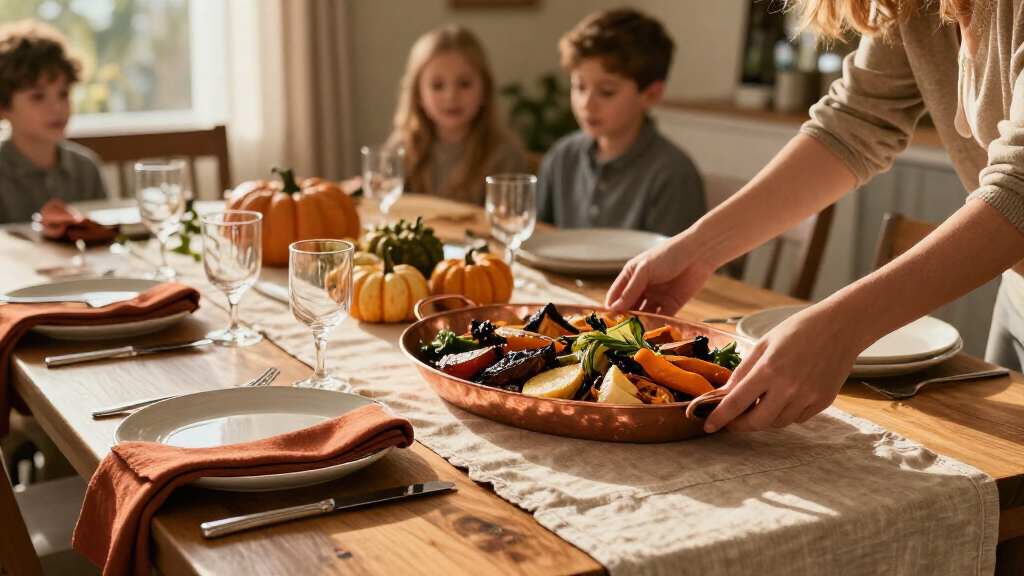
Thanksgiving table supplies should give each guest a comfortable place to eat while leaving space for dishes to land. Plan for one complete setting per guest—plate, cutlery, glass, and napkin—plus a few extra pieces for accidents or second helpings. The table should feel welcoming, not like a crowded supply shelf. A little spare tableware gives you flexibility if a plate breaks or a guest wants a fresh one for dessert; too much on the table can make it harder to pass food and enjoy conversation.
For six guests, set out six plates and glasses, then keep two spares nearby. If you plan a buffet, guests may use one plate for dinner and a fresh one for pie; decide whether your setup needs extras. Reusable dishes are sturdy and avoid single-use waste, while disposable plates can cut washing time. Each choice has a tradeoff: storage and dishwashing on one side, added waste and the cost of repeated purchases on the other. Your space and cleanup capacity can help settle the choice: a small cupboard may favor borrowing or carefully chosen disposables, while a dishwasher and storage space make reusable settings easier to manage.
Use a tablecloth or runner if it helps the room feel festive, and leave clear space for shared bowls. Low greenery, seasonal pears, and a few candles can add color without blocking faces. A tall arrangement may look charming in an empty room, but at dinner it can feel like a little leafy wall between you and your cousin. The table is also a work surface: guests need room to reach dishes, set down glasses, and pass food without knocking over decorations.
Keep decorations low and practical. If your table is narrow, move décor to a sideboard and use placemats instead of a full cloth. Warm candlelight can make the meal glow like late afternoon, but choose stable holders and keep flames clear of napkins and greenery. That placement preserves the atmosphere while reducing clutter and making it easier to keep flammable materials away from an open flame.
Get serving dishes and cooking tools ready before guests arrive
The best Thanksgiving kitchen supplies let you cook, check, and serve food without rummaging through drawers at the last minute. For most menus, start with a reliable food thermometer, roasting pan, sharp knife, cutting boards, foil, parchment paper, and oven mitts. Add serving platters, bowls, ladles, tongs, trivets, and a gravy boat to match the dishes you plan to make. The core tools support different needs: a thermometer helps you assess doneness, mitts and trivets give you safe places to move hot cookware, and serving pieces help food reach the table without awkward transfers.
Say you are serving turkey, mashed potatoes, green beans, stuffing, gravy, and cranberry sauce. Map each dish to its serving bowl or platter now. You might discover that your roasting pan can go straight to the table, while a clean mixing bowl will hold the green beans. Put a serving spoon beside each dish before the first guest asks where the utensils are. This simple map also reveals clashes, such as two dishes needing the same oven-safe bowl or a platter too small for the turkey, while there is still time to find a substitute.
You do not need matching china. Clean oven-safe cookware, trays, and bowls can serve food just as well. Add a simple label to each dish and keep separate serving utensils nearby. This helps guests identify what they are picking up and makes it easier to flag ingredients for someone managing a dietary restriction. Serving directly from cookware saves dishwashing and transfer steps, though a hot pan may need a trivet and a bowl may be easier to pass around. Choose the arrangement that suits the dish, the table space, and how guests will serve themselves.
Check your tools in advance: wash the roasting pan, make sure the thermometer works, and sharpen the knife if needed. Use current guidance from a trusted food-safety source for the recommended safe internal temperature and cooking advice; cooking times vary with bird size and preparation. A working thermometer is especially useful because timing alone cannot show whether food has reached a safe temperature. The quietest kitchen is often the one where you found the thermometer on Tuesday.
Set up drinks and guest comforts to reduce interruptions
A self-serve drink station and a few thoughtful guest supplies make your home easier to navigate. Gather a pitcher or beverage dispenser, glasses, ice, coasters, and a bottle opener, then put them where guests can reach them without crowding the kitchen. That small station can save you from answering “Could I get some water?” while you are trying to carry a hot casserole. It also gives guests a place to pause and serve themselves, which keeps the host from becoming the only route to a drink.
For a compact home, place drinks on a counter away from the oven and serving area. A pitcher of water with lemon, a bowl of ice, and a stack of glasses can be enough. If you are serving wine or sparkling cider, set out the opener and a dish for bottle caps. Keep a small towel nearby for drips. Separating drinks from hot food reduces congestion and the chance of spills near cookware; the tradeoff is that guests may need to walk a little farther, so choose a spot that is still easy to find and reach.
Guest comfort comes from useful details, not elaborate extras. Clear a spot for coats, make sure there are enough chairs, and leave drinking water easy to find. A small basket with tissues and a stain-removal pen can help after a cranberry sauce splash. If you have children visiting, put a sturdy cup within reach and move fragile décor away from busy paths. These modest preparations reduce small requests and accidents, letting guests settle in while you focus on the meal.
Make movement easy. Keep walkways open between the entrance, table, and bathroom. If you are hosting twelve people in a small apartment, ask guests to hang coats in a bedroom and put drinks near the dining area instead of in the kitchen. The result feels less like a traffic jam and more like a home people can settle into. Before arrival, walk the route carrying a tray or serving dish; anything that forces a sharp turn or narrows a doorway is a sign to move furniture or supplies.
Choose a buffet layout that keeps the line moving
A good buffet puts plates first, then food, followed by cutlery and napkins where guests can collect them easily. Keep drinks separate when you can, and leave a clear path so people can serve themselves without bunching up. This order gives guests a simple route through the meal and helps protect your table from a pileup of glasses. It also reduces the number of times people need to cross paths, which matters when several guests are carrying hot food.
For a buffet on a kitchen island, place plates at one end, then arrange the turkey and side dishes in the order people are likely to take them. Set serving spoons next to their dishes, with napkins and cutlery near the exit. Put gravy and sauces on a stable surface where guests can stop without blocking everyone behind them. If the line stalls at a popular dish, guests can wait without blocking the start; placing sauces near the end also lets people add them after choosing their main dishes.
Use small labels for dishes when guests may want to know ingredients or allergens. A handwritten card beside the stuffing can note that it contains nuts, for example. Ask guests about dietary restrictions ahead of time, check ingredient labels, and keep separate utensils for dishes that need them. You may not be able to accommodate every preference perfectly, but clear information helps people choose with confidence. Separate utensils reduce accidental mixing, though they only help if guests can tell which utensil belongs to which dish and the serving area gives them room to use it.
Buffets suit some meals and spaces better than others. A long table with several hot dishes can make an easy serving line; a tiny kitchen may work better with dishes passed around the table in smaller batches. Try the route before guests arrive. If opening the oven blocks the path, move the drink station or serving line so no one has to squeeze past a hot pan. The right format depends on both room and meal: a buffet can give guests choice and free the host from plating, while passing dishes can use less floor space and keep everyone seated.
Make cleanup and leftovers easier before dinner starts
Cleanup gets easier when you have trash bags, recycling bags, dish soap, sponges, paper towels, and food containers ready before the meal. Clear a shelf in the refrigerator and set containers on a counter. Once dinner ends, you can pack food instead of searching through a cabinet while a sink full of plates waits. Preparing the landing space also helps keep food handling organized: containers can be filled and chilled promptly, rather than left out while you make room.
Prepare a few container sizes for different leftovers: a shallow one for sliced turkey, a medium one for vegetables, and a small one for cranberry sauce. If guests will take food home, leave spare containers where you can reach them. A strip of masking tape and a pen can label contents and the date, which is handy when the refrigerator turns into a colorful stack of lids. Shallow containers make it easier to divide food into portions and store it without waiting for one large dish to cool, while a mix of sizes avoids wasting refrigerator space on half-empty containers.
Food safety matters after the meal, too. General guidance is to refrigerate perishable leftovers within two hours, and to keep hot foods hot and cold foods cold during serving. For exact storage and reheating recommendations, consult a trusted food-safety source. A covered dish alone does not keep food safe indefinitely at room temperature. Having containers ready makes the timing easier to meet, especially when cleanup, conversation, and guests taking food home all compete for attention.
Make the washing-up plan fit your household. Reusable dishes need a clear path from the table to the sink, while disposable options can reduce washing but create more waste. If your local composting service accepts certain compostable products, those may be an option; check local rules first. Even a simple setup—one bag for trash, one for recycling, and a clear counter for leftovers—can make the final hour feel lighter. The best choice depends on your capacity after hosting: a manageable amount of washing may be preferable to extra waste, while a small number of disposables can help when time or sink space is tight.
Frequently Asked Questions
What supplies do I need to host Thanksgiving?
Start with enough seating, tableware, cookware, serving utensils, and cleanup supplies for your guest count. Add items that match your menu, such as a roasting pan for turkey or a ladle for gravy. Check your cupboards before shopping so you do not buy duplicates.
How many plates, glasses, and utensils should I have?
Plan for one complete place setting per guest, plus a few extras for spills and second helpings. If guests will use fresh plates for dessert or your meal has a buffet line, keep additional plates handy. For eight guests, having ten place settings gives you a small cushion.
What can I use if I do not own formal serving dishes?
Clean oven-safe cookware, mixing bowls, and trays can hold many dishes. Put each serving utensil beside the food, and add labels if guests may ask about ingredients. A neat setup matters more than matching platters.
Should I use disposable or reusable tableware?
Reusable dishes are durable and avoid single-use waste, but they need washing and storage. Disposable supplies can make cleanup faster, though they create waste and may need replacing for future gatherings. Compostable products are an option only where local facilities accept them.
How do I arrange a Thanksgiving buffet?
Put plates at the start, followed by food, then cutlery and napkins near the end. Keep drinks separate if possible and leave a clear path around the serving area. For example, a kitchen island can hold the meal while a nearby side table handles water, glasses, and ice.
How do I keep Thanksgiving leftovers safe?
Have clean containers and refrigerator space ready before dinner. General guidance is to refrigerate perishable leftovers within two hours, and you should follow current advice from a trusted food-safety source for storage and reheating. Labeling containers with contents and the date can help you use them in time.
Conclusion
Build your Thanksgiving list around people, menu, and timing: what you need before cooking, at the table, during serving, and after the meal. Check your cupboards first, fill the practical gaps, and let simple decorations do their work without crowding the food or the conversation.
When the last slice of pie is gone, the best setup is the one that leaves you with good leftovers and a little energy to enjoy them. Start with the thermometer, the place settings, and the containers—and let the candlelight handle the rest.