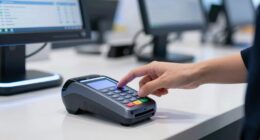
Retail payment systems now offer fast, secure options for mobile, in-store, and online shopping. You can use digital wallets stored on your phone or device to quickly pay contactlessly or online without sharing sensitive info. In stores, contactless cards and devices speed up checkout and reduce contact, while online, digital wallets make transactions safer and more convenient. As these systems keep evolving, you’ll discover even more ways to shop effortlessly and securely.
Key Takeaways
- Mobile payment systems utilize digital wallets for contactless, secure transactions via smartphones and devices at in-store and online outlets.
- In-store payments benefit from contactless cards and NFC-enabled devices, reducing checkout time and contact during transactions.
- Digital wallets store payment info securely, enabling quick online shopping with minimal data sharing and enhanced fraud protection.
- Retail systems integrate mobile, in-store, and online payments, providing seamless, fast, and secure experiences across all shopping channels.
- Advances in retail payment systems improve convenience, security, and efficiency for consumers and merchants alike.
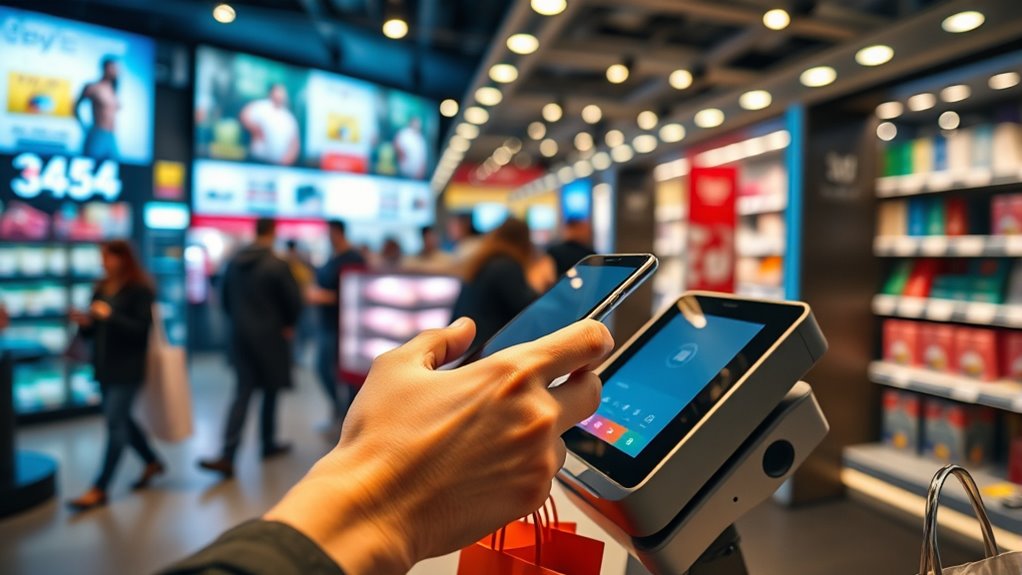
Retail payment systems are the methods consumers and businesses use to complete transactions quickly and securely. Today, these systems are evolving rapidly, offering more convenience and safety than ever before. One of the most significant advancements is the rise of digital wallets. These digital wallets, stored on your smartphone or device, allow you to make payments without carrying physical cash or cards. Instead, you simply tap or scan your device at a compatible point-of-sale terminal. Digital wallets are integrated with your bank accounts or credit cards, making transactions seamless and instant. They also provide a layer of security, as your actual card details are not shared during the purchase, reducing the risk of fraud.
Digital wallets enable quick, secure payments without cash or cards, reducing fraud and increasing convenience.
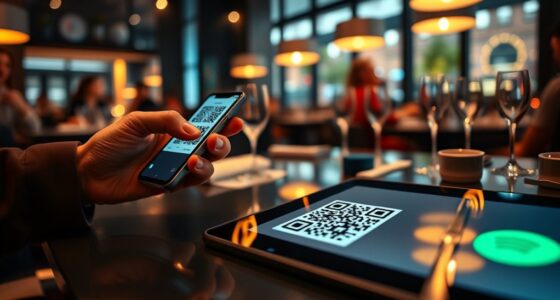
Contactless payments are a key feature of modern retail payment systems, especially when paired with digital wallets. With contactless payments, you don’t need to insert your card or swipe it; instead, you hold your contactless-enabled card or device near the payment terminal. This method is faster and more hygienic, which has become particularly important during health crises. Many retail outlets now encourage contactless payments as a preferred method because it minimizes contact and speeds up checkout lines. Whether you’re using a smartphone with NFC (Near Field Communication) technology or a contactless card, the process is quick and straightforward. You just need to ensure your device or card is properly set up with your bank or payment provider, and then you’re ready to pay with a simple tap.
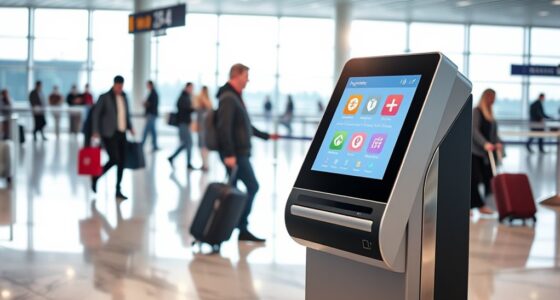
In-store, these digital wallets and contactless payment options are transforming the shopping experience. They eliminate the need to dig through your wallet for cash or cards, reducing wait times at checkout. You also gain the convenience of storing multiple payment methods in one place, making it easier to switch between accounts or cards depending on the situation. Businesses appreciate these systems because they minimize cash handling, speed up transactions, and reduce errors. Additionally, many digital wallets now offer rewards, loyalty programs, and discounts that are automatically applied during payment, enhancing customer experience. As technology advances, security features such as tokenization and biometric authentication further protect your transactions and personal data.
Online, retail payment systems continue to advance with digital wallets becoming even more popular. When shopping on e-commerce sites, you can choose to pay via digital wallets like Apple Pay, Google Pay, or Samsung Pay. These options save your payment information securely, allowing you to check out with just a few clicks or taps. This not only expedites the process but also enhances security because your sensitive data isn’t directly shared with the merchant. Overall, the integration of digital wallets and contactless payments across mobile, in-store, and online retail environments is transforming how you pay, making transactions faster, safer, and more convenient than ever before.

Wireless Payment Wand – Fast Contactless Payment Tool for Businesses | Sleek Portable Device with Technology, Accepts Cards, Mobile Payments Digital Wallets Enhances 11.81×3.9×1.2in
Innovative No-Card Convenience: With its innovative wand-style design, the Credit Card Wand provides a secure card slot and…
As an affiliate, we earn on qualifying purchases.
As an affiliate, we earn on qualifying purchases.
Frequently Asked Questions
How Secure Are Mobile Payment Apps Against Hacking?
Mobile payment apps are generally secure, but you should stay cautious. They use mobile encryption to protect your data during transactions, making hacking more difficult. However, app vulnerabilities can still pose risks if the app isn’t regularly updated or if you download from untrusted sources. To keep safe, always update your apps, use strong passwords, and avoid public Wi-Fi when making payments.
What Are the Transaction Fees for Online Payment Gateways?
You’ll typically pay 2-3% in transaction fees for online payment gateways, which is comparable to credit card fees. Notably, some gateways charge higher fees for cryptocurrency transactions, reflecting their volatility. To protect yourself, fraud prevention tools are essential, especially with rising online scams. Always compare gateway fees and features, so you can choose the best option that balances cost and security for your online business.
How Do Retail Payment Systems Support International Transactions?
Retail payment systems support international transactions by handling cross-border compliance and currency conversion seamlessly. You can accept payments in multiple currencies, and the system automatically converts them into your preferred currency, ensuring accurate pricing and settlement. These systems also adhere to international regulations, reducing fraud risks and delays. This way, you can expand your business globally, offering your customers a smooth, hassle-free experience regardless of their location.
What Are the Environmental Impacts of Different Payment Methods?
You might not realize it, but every payment method impacts the environment in subtle ways. Digital transactions often reduce resource consumption compared to cash, yet they still require energy for servers and devices. Choosing eco-friendly practices, like contactless payments or digital wallets, can lessen your carbon footprint. By being mindful, you support sustainable resource use and help reduce environmental harm, making your everyday transactions more environmentally responsible.
How Do Retail Payment Systems Adapt to Emerging Technologies?
You adapt retail payment systems by integrating emerging technologies like digital wallets and contactless payments, making transactions faster and more secure. You leverage these innovations to enhance customer experience, reduce cash handling, and streamline operations. By staying updated on new tech trends, you can implement seamless payment options that meet consumer expectations and stay competitive in a rapidly evolving digital landscape.

We Accept Credit Card, Mobile Payment & Contactless Pay Service POS Cashier Sign Waterproof Stickers Compatible for Visa, MasterCard, Discover, AmEx, (Apple Pay Compatible)
[UV Matte Laminate] Ultra Anti-Reflective (Provides Excellent Visibility Under Strong Sunlight/Spotlight)
As an affiliate, we earn on qualifying purchases.
As an affiliate, we earn on qualifying purchases.
Conclusion
Just as the bustling marketplace of ancient traders evolved into today’s seamless digital exchanges, your choice of retail payment system shapes your shopping experience. Whether you prefer the swift tap of your mobile, the tangible feel of in-store payments, or the convenience of online checkout, each method reflects a chapter in commerce’s ongoing story. Embrace these innovations, and you’ll navigate the future of shopping with the confidence of a pioneer forging new paths.

10Pcs NFC Tag Keychain NFC Key Fob NTAG215 NFC Card NFC Fob NFC Business Card NFC Chips NFC Tag Maker,504 Bytes Memory, Compatible with TagMo and NFC Enabled Devices
Each package has 10 NFC tags.
As an affiliate, we earn on qualifying purchases.
As an affiliate, we earn on qualifying purchases.

Square Terminal – Credit Card Machine to Accept All Payments | Mobile POS
With Square Terminal, you can ring up sales, accept payments, and print receipts, all with one device. Use…
As an affiliate, we earn on qualifying purchases.
As an affiliate, we earn on qualifying purchases.