Managing fuel and toll expenses efficiently is essential for controlling costs in transportation and logistics. Fuel cards streamline purchases, restrict spending, and track consumption to prevent waste and theft. Electronic toll systems automate payments, reduce delays, and provide detailed expense reports. Combining these tools allows you to oversee your fleet’s costs thoroughly, optimize routes, and improve profitability. Keep exploring to discover how these solutions can boost your operational efficiency even further.
Key Takeaways
- Fuel cards streamline fuel purchases, enforce spending limits, and provide detailed consumption reports for better expense control.
- Electronic toll systems automate payments, track toll expenses, and prevent delays or penalties across multiple regions.
- Integrating fuel and toll management into fleet software offers centralized expense tracking and enhances overall cost efficiency.
- Monitoring driver fueling and toll behaviors encourages responsible practices, reducing waste and unnecessary costs.
- Effective payment solutions support budgeting, optimize routes, and improve fleet performance by providing comprehensive expense insights.

Have you ever wondered how transportation and logistics companies manage their payments efficiently? It’s a vital aspect of keeping your operations smooth and cost-effective. One of the key tools in this process is fleet management, which involves overseeing your vehicles to optimize performance, reduce costs, and improve overall efficiency. A significant part of fleet management focuses on fuel efficiency, as fuel often represents one of the largest expenses for transportation companies. To keep these costs in check, many companies rely on fuel cards, which streamline fuel purchases and provide detailed reporting that helps monitor consumption patterns.
Fuel cards are more than just payment tools; they’re strategic assets that enable you to control expenses and promote responsible fuel usage. By assigning fuel cards to drivers, you can set spending limits, restrict where they can purchase fuel, and prevent misuse. This control not only reduces unauthorized fuel transactions but also encourages drivers to follow fuel-efficient driving practices. For instance, drivers aware of tracking and restrictions tend to adopt smoother driving habits, which directly boosts fuel efficiency and decreases overall fuel consumption. Additionally, fuel cards often come with integrated reporting features, giving you real-time insights into fuel expenses, helping you identify trends or irregularities that could indicate theft or waste.
Tolls are another significant expense within transportation logistics, and managing them efficiently can lead to substantial savings. Tolls can quickly add up, especially for fleets that operate across multiple states or countries. To handle this, many companies utilize electronic toll payment systems, which automatically deduct tolls from a prepaid account or link directly to fleet management software. This automation eliminates the hassle of stopping to pay manually and ensures that toll expenses are accurately tracked for each vehicle. Plus, it reduces delays, allowing your drivers to stay on schedule and avoid penalties for missed toll payments.
Combining toll management with fuel card programs creates a detailed payment system that simplifies expense tracking and improves operational efficiency. When your fleet management software integrates these tools, you gain a centralized view of all costs, making budgeting and financial planning more straightforward. This integration also enables you to analyze data for patterns, identify opportunities to optimize routes, and implement fuel-saving strategies. Keep in mind that understanding spoiled lemon juice signs can help prevent wasted resources and reduce unnecessary costs in your operations. Ultimately, managing payments for fuel and tolls effectively helps you keep your fleet running smoothly, reduces unnecessary expenses, and supports your goal of maximizing fleet efficiency. By leveraging these tools, you’re not just paying bills—you’re actively controlling costs and enhancing your fleet’s overall performance.
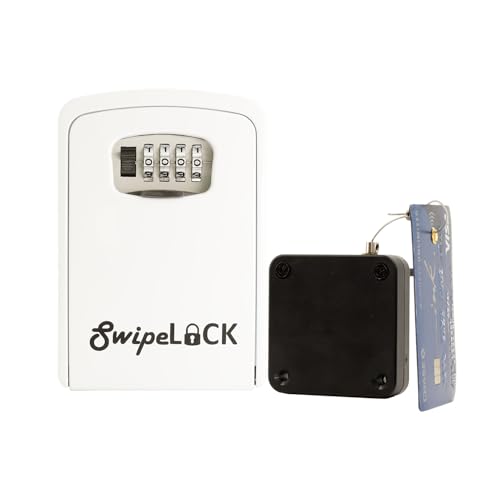
SwipeLock Box Fuel Card Lock Box with 10' retractable cable, mountable lock box
Combination Lock box
As an affiliate, we earn on qualifying purchases.
As an affiliate, we earn on qualifying purchases.
Frequently Asked Questions
How Are Fuel Card Expenses Integrated Into Overall Accounting Systems?
You integrate fuel card expenses into your overall accounting systems by linking them with your fleet management software, which automatically tracks and categorizes fuel purchases. This streamlines expense reporting, ensuring accuracy and efficiency. When drivers use fuel cards, transactions are recorded in real-time, simplifying reconciliation. You can then generate all-encompassing reports, helping you monitor fuel costs and maintain clear financial records within your broader accounting processes.
What Security Measures Prevent Unauthorized Use of Toll and Fuel Cards?
You prevent unauthorized use of toll and fuel cards by implementing strong security measures like card encryption and user authentication. Card encryption safeguards card data during transactions, making it difficult for hackers to access sensitive information. User authentication ensures only authorized drivers can activate and use the cards, often through PINs or biometric verification. These measures work together to keep your fuel and toll expenses secure and reduce fraud risks.
Can Fuel Cards Be Customized for Different Vehicle Types or Regions?
Imagine your fleet as a garden, each vehicle a unique flower needing tailored care. Fuel cards can be customized for different vehicle types, like adjusting nutrients for each plant, ensuring efficiency and control. Regional customization acts like watering systems, providing specific benefits based on location, optimizing costs and operations. You can easily set these parameters, making your fleet management more precise and effective, tailored to each vehicle’s needs and regional demands.
How Do Toll Payment Systems Handle Disputes or Incorrect Charges?
When facing disputes or incorrect charges, toll payment systems typically offer dispute resolution options through their platforms or customer service. You can request a charge correction by providing relevant details like date, location, and proof of payment. The system reviews your claim, investigates the issue, and works to resolve it promptly. This process helps guarantee your account remains accurate and any erroneous charges are corrected efficiently.
What Are the Latest Technological Advancements in Transportation Payment Methods?
Oh, because who wouldn’t want their payments to be smarter, right? Today’s latest tech in transportation payments includes autonomous vehicles handling tolls seamlessly and blockchain payments ensuring secure, instant transactions. You can enjoy faster, more efficient processes without fumbling for cash or cards. This innovation means less hassle and more time on the road, making your logistics smoother and more reliable than ever before.
electronic toll payment system for trucks
As an affiliate, we earn on qualifying purchases.
As an affiliate, we earn on qualifying purchases.
Conclusion
Think of fuel cards and toll payments as the heartbeat of your transportation journey. They keep your wheels turning smoothly, like a well-oiled machine, ensuring you stay on the road without missing a beat. When you manage these payments wisely, you’re steering your logistics ship through calm waters, avoiding storms of delays and costs. Embrace these tools, and you’ll navigate the road ahead with confidence, turning every mile into a step toward success.
fleet management software with toll and fuel tracking
As an affiliate, we earn on qualifying purchases.
As an affiliate, we earn on qualifying purchases.

AT&T Prepaid Card $65 – AT&T Prepaid Refill Top-Up Card $65
Compatible with most AT&T Prepaid mobile phones
As an affiliate, we earn on qualifying purchases.
As an affiliate, we earn on qualifying purchases.