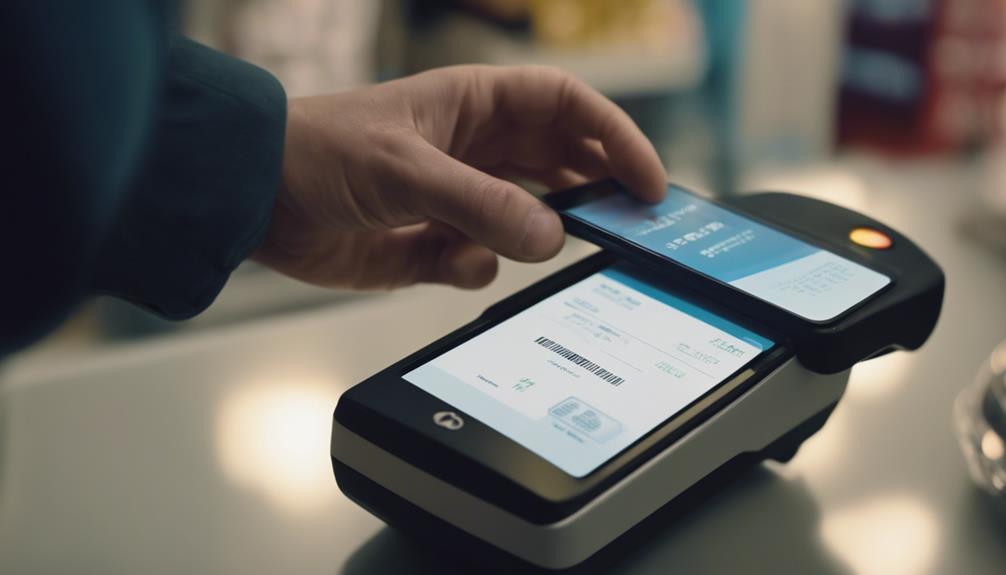
When crossing borders, a simple click often isn’t enough to guarantee your electronic signature is legally valid. You need to verify the signer’s identity according to each country’s regulations, which may require strong authentication methods like digital certificates, biometrics, or multi-factor verification. Different jurisdictions have different standards, so understanding these and using recognized international verification standards is key. Continuing further can help you learn how to navigate these complex requirements effectively.
Key Takeaways
- Cross border e-signature compliance requires understanding and meeting specific legal standards in each jurisdiction.
- Simple click-based signatures may lack legal validity internationally; stronger methods like digital certificates are often needed.
- Using internationally recognized standards and multi-factor authentication enhances the acceptance of signatures across borders.
- Proper digital verification, including biometric data or trusted digital certificates, is essential for legal enforceability abroad.
- Maintaining detailed audit trails and adhering to evolving regulations ensures cross border e-signature validity and security.

As electronic signatures become increasingly vital for global business transactions, guaranteeing compliance across different borders can be challenging. When you’re dealing with international deals, it’s not enough to simply obtain a digital signature; you need to verify the signer’s identity through robust digital verification processes. Without proper verification, you risk falling foul of cross border regulation requirements that vary from country to country. These regulations are designed to protect parties and ensure the authenticity and integrity of electronic agreements, so understanding and adhering to them is essential.
Different countries have distinct rules about what makes an electronic signature valid, and many rely on specific standards for digital verification. For example, some jurisdictions recognize only advanced or qualified electronic signatures, which require stricter validation methods like biometric data or digital certificates issued by trusted authorities. Others might accept simpler methods, but only if they meet certain security thresholds. As you navigate these regulations, you must be diligent about confirming that your e-signature processes comply with the legal standards of each jurisdiction involved in your transaction. Implementing international standards for digital verification can help streamline compliance across multiple regions. Incorporating cross border compliance measures into your verification processes is crucial to ensure legal recognition in diverse markets. Additionally, adopting emerging AI-driven verification technologies can further enhance the security and reliability of your digital identity checks.
Different countries require specific standards for valid electronic signatures and digital verification methods.
Cross border regulation complicates the compliance landscape because it often involves multiple legal frameworks that may not align. You need to evaluate whether your digital verification methods are recognized internationally and whether they satisfy the legal criteria of all relevant countries. Failing to do so can invalidate your agreements or expose your business to legal challenges. For instance, a signature deemed legally binding in one country might not hold the same weight elsewhere if digital verification wasn’t sufficiently rigorous or properly documented. To address these issues, you should implement an extensive digital verification system that can adapt to different legal standards. This might include multi-factor authentication, blockchain-based signatures, or digital certificates that meet international standards. These measures help guarantee your signatures are not only secure but also legally recognized across borders. Additionally, maintaining detailed audit trails of the verification process bolsters your compliance efforts and provides evidence of authenticity if disputes arise. Staying informed about the latest developments in cybersecurity and digital verification technology is essential to maintaining effective cross border compliance.
Ultimately, when working across borders, your focus must be on understanding and integrating cross border regulation requirements into your digital signature workflows. Relying on just a click isn’t enough; you need to verify identities accurately and ensure your methods are legally valid in each jurisdiction. By prioritizing rigorous digital verification and staying informed about cross border regulation nuances, you can safeguard your transactions and build trust with international partners. That way, your digital agreements will stand up legally, no matter where they’re executed. Ensuring your digital verification methods meet international standards is key to maintaining compliance and avoiding legal pitfalls.

Lunzn Smart Digital Signage Player with Non-Subscription CMS Software 7×24 Stable Auto Play Make TV Set Become LCD Display Andriod 4K Advertising Media Player(YM05)
Make your TV set become AD display. our box + your TV = Advertising Display, save money for…
As an affiliate, we earn on qualifying purchases.
As an affiliate, we earn on qualifying purchases.
Frequently Asked Questions
How Do Different Countries Recognize Electronic Signatures Legally?
You might wonder how different countries recognize electronic signatures legally. Generally, legal recognition depends on digital authentication standards and local laws. Many nations follow frameworks like the eIDAS regulation in the EU or the ESIGN Act in the US, which validate electronic signatures if they meet specific criteria. It is crucial to understand each country’s requirements to guarantee your digital authentication methods are legally binding across borders.
What Are the Common Challenges in Cross-Border E-Signature Compliance?
You face challenges in cross-border e-signature compliance, especially with issues like digital identity verification and data sovereignty. Different countries have varying rules, making it tough to guarantee your digital signatures are valid everywhere. You need to adapt your processes to respect local laws and protect user data, ensuring that digital identities are verified securely. Staying informed about evolving regulations helps you maintain compliance and avoid legal disputes across borders.
How Can Companies Ensure International E-Signature Validity?
Imagine safeguarding a treasure chest across many lands. You’ll want to verify who’s knocking on the door, right? To guarantee your international e-signatures are valid, focus on robust digital identity and user authentication. Use trusted digital certificates and multi-factor authentication to confirm signers’ identities. This way, you create a secure bridge, making sure each signature holds water across borders and legal systems, just like a well-guarded treasure chest.
Are There Specific Industries With Stricter E-Signature Regulations?
You should know that certain industries, like finance and healthcare, face stricter e-signature regulations. Financial regulations demand robust security and thorough audit trails to prevent fraud, while healthcare privacy laws require ensuring patient information remains confidential. If you work in these sectors, you must follow specific compliance standards and choose e-signature solutions that meet legal and industry-specific requirements to avoid penalties and maintain trust.
What Are the Penalties for Non-Compliance With E-Signature Laws Globally?
Imagine your digital signature as a handshake across the world, sealing agreements with legal enforceability. If you ignore e-signature laws, you risk hefty penalties, fines, or contract invalidation. Globally, penalties vary—from legal disputes to criminal charges—depending on jurisdiction. Non-compliance can leave you vulnerable, so always verify your digital signatures meet local standards. This way, your agreements stay enforceable, and your business stays protected from costly legal fallout.

Enhanced Management Controls Using Digital Signatures and Attribute Certificates
As an affiliate, we earn on qualifying purchases.
As an affiliate, we earn on qualifying purchases.
Conclusion
Remember, a journey of a thousand miles begins with a single step. As you navigate e-signature compliance across borders, stay informed about local laws and regulations. Don’t assume that a click is always enough—double-check the legal validity in each jurisdiction. By doing so, you protect your business and build trust with your partners worldwide. Stay vigilant, because in international dealings, “forewarned is forearmed.”

Yubico – YubiKey 5C NFC – Multi-Factor authentication (MFA) Security Key and passkey, Connect via USB-C or NFC, FIDO Certified – Protect Your Online Accounts
POWERFUL SECURITY KEY: The YubiKey 5C NFC is the most versatile physical passkey, protecting your digital life from…
As an affiliate, we earn on qualifying purchases.
As an affiliate, we earn on qualifying purchases.

Fingerprint Reader Biometric Authentication – DigitalPersona URU4500 USB – Fingerprint Scanner – Original HID Brand
New replacement old Red Logo Digital persona URU4500, HID , USB reader. Original HID Brand
As an affiliate, we earn on qualifying purchases.
As an affiliate, we earn on qualifying purchases.