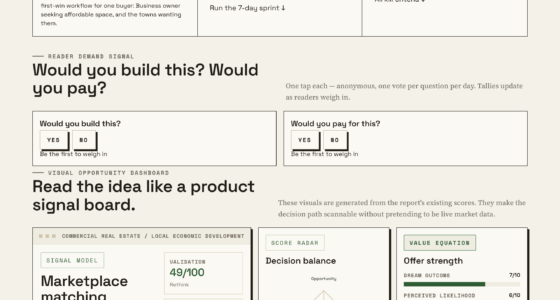
📊 Full opportunity report: Independent Retailers Can Browse Wholesale Through A Sourcing Platform on IdeaNavigator AI — validation score, market gap, and execution plan.

Get business pricing on office and shipping supplies
- Business-only prices and quantity discounts
- Tax-exempt purchasing
- Multiple users, one account, clear invoices
TL;DR
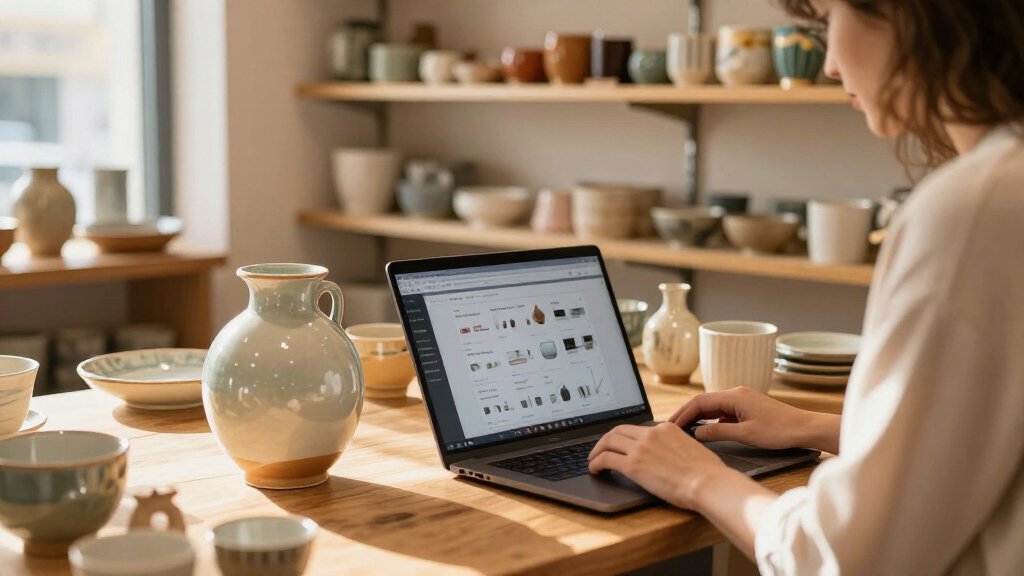
A proposed sourcing platform would help independent retailers place small trial orders from brands that typically require larger wholesale minimums. Its suggested first test is to broker orders manually between 20 brands and 50 shops, then measure whether trial purchases lead to standard reorders within a quarter.
IdeaNavigator AI has proposed a small-order wholesale sourcing platform for independent retailers that cannot meet distributor minimums, giving shops a way to test products in smaller quantities before committing to regular wholesale orders. The idea remains a business concept, not a launched service: its suggested pilot would manually broker trial orders between 20 brands and 50 shops and track whether purchases convert to standard reorders within a quarter.
The proposed platform would create a dedicated marketplace lane for trial-size orders. Brands could set micro-minimums, while consolidated fulfillment would combine shipments in an effort to make very small purchases workable. Retailers would be able to test five-unit assortments and track how those products sell, according to IdeaNavigator AI’s outline.
If a trial performs well, the shop could move into a standard wholesale relationship with the brand. The concept’s suggested revenue model combines a take rate on orders with subscriptions for brand-side analytics on trial performance. No prices, fees, shipping partners, or operating terms are specified.
For validation, the proposal recommends arranging orders manually between 20 brands and 50 independent shops, then measuring conversion from trial purchase to standard reorder over a quarter. That would test whether shops will use small orders and whether brands find trial outcomes useful enough to support repeat business.
Small Orders Could Test New Products
The idea addresses a practical constraint for small retailers: a shop may want to try an unfamiliar product but have too little purchasing capacity or shelf space to accept a distributor’s case or opening-order requirement. Smaller commitments could lower the cost of experimentation and give shops a way to introduce new products without making a large initial buy.
For brands, trial orders could offer a route to independent stores that would not qualify for, or choose to place, conventional wholesale orders. Sell-through tracking could help brands distinguish interest from actual customer purchases, while successful tests might develop into larger reorders. Those are potential benefits, not demonstrated results; the proposal provides no pilot data or evidence of retailer or brand demand.
The central operational question is whether consolidated shipping can keep the economics workable when many orders are small. If fulfillment costs outweigh the value of a five-unit test, lower minimums alone may not solve the problem. The proposed manual pilot would help assess conversion, but the outline does not specify how it would measure shipping costs, margins, or the time required to manage orders.
Products Worth Considering

Logitech MX Mechanical Mini Mac Wireless Keyboard Low-Profile – Space Grey

Apple Mac mini Desktop Computer with M5 Pro Chip (2026)

Dell XPS 13 9350 AI Professional Laptop 13.4 120Hz FHD+ Display
As an affiliate, we earn on qualifying purchases.
A Narrow Gap in Wholesale
The concept focuses on independent retail wholesale, rather than proposing a broad replacement for distributors. Its intended first user is specific: a shop owner who cannot meet distributor minimums but wants to try new products in limited quantities. The proposal says these constraints can leave shelves conservative and make product discovery reliant on trade shows held once a year; it does not provide survey data or other evidence quantifying how widespread that experience is.
IdeaNavigator AI describes the wider wholesale-marketplace model as established, pointing to Faire as proof that buyers and brands can transact through an online marketplace. It presents genuinely small trial orders with consolidated shipping as the proposed unmet need. The outline does not compare current services in detail or establish that no other provider already offers similar order sizes or fulfillment arrangements.
The recommendation to begin with a manual, narrow test reflects the idea’s early stage. Instead of building a complete marketplace first, the proposed operator would broker a limited number of transactions and observe whether retailers reorder. No operator, launch date, participating brands, participating shops, or technical platform has been identified.
Pilot Details Remain Unconfirmed
There is no confirmed launch, funding announcement, product release, or evidence that the proposed pilot has begun. The suggested figures—20 brands, 50 shops, and a quarter-long measurement period—are elements of a validation plan, not reported participation or completed results.
Several commercial details remain open, including who would handle consolidated fulfillment, how shipping charges would be allocated, what counts as a successful trial, and whether five units is the right order size across different product categories. The proposal also does not state which brands or retailers have expressed interest, what analytics would be available, or what subscription and transaction fees might apply.
It is also unclear whether trial orders would be financially attractive for brands after picking, packing, and delivery costs, or whether retailers would place enough repeat orders to sustain the service. The outline offers a hypothesis about the gap in wholesale and a way to test it; it does not establish market demand or commercial viability.
Reorder Rates Would Be the Test
The next proposed step is to recruit 20 brands and 50 shops and broker trial purchases manually. The operator would then track whether a trial leads to a standard wholesale reorder within a quarter. No schedule or recruitment plan has been announced, so it is not known when, or whether, that test will take place.
If the pilot proceeds, useful results would include the number of shops that place trial orders, the share that reorder, the time to reorder, and the cost of consolidating and delivering small shipments. Those measures could help distinguish genuine repeat demand from one-time curiosity and show whether the model works for both sides of the transaction.
Until such results are available, the platform remains a proposed solution rather than an operating marketplace. Any next development would depend on whether an operator takes up the concept, secures participating shops and brands, and demonstrates that small trial orders can lead to sustainable wholesale relationships.
Source: IdeaNavigator AI
Key Questions
Has the small-order sourcing platform launched?
No launch is reported. The platform is presented as a business proposal, and no operating service or launch date is identified.
Who is the proposed platform for?
Its intended first user is an independent shop owner who wants to test products but cannot meet a distributor’s minimum order requirements.
How would the proposed trial orders work?
Brands would set smaller minimums, and consolidated fulfillment would support small purchases. Retailers could test five-unit assortments, track sell-through, and potentially move to standard wholesale orders if a product performs well.
How would the concept be tested?
The suggested pilot would manually broker orders between 20 brands and 50 shops and measure conversion from trial purchases to standard reorders within a quarter. Those are proposed test parameters, not confirmed pilot results.
What remains uncertain about the business?
There is no reported evidence yet on demand, shipping economics, reorder rates, fees, participating businesses, or the cost of running the service. The proposal’s commercial viability remains untested.
Source: IdeaNavigator AI