

To stay competitive through innovation management, you need to foster a creative culture that encourages new ideas, experimentation, and risk-taking at all levels. Measure your innovation efforts with clear metrics to track progress and identify opportunities for improvement. By aligning your culture and metrics, you ensure ongoing agility and responsiveness to market shifts. Emphasizing these strategies helps embed innovation into your organization’s DNA, giving you a valuable edge—discover more ways to enhance your innovation approach below.
Key Takeaways
- Foster a strong creative culture that encourages experimentation, risk-taking, and continuous idea sharing across all organizational levels.
- Implement innovation metrics to measure progress, identify successful initiatives, and optimize resource allocation.
- Integrate culture and metrics to ensure innovation efforts are strategic, focused, and aligned with business goals.
- Promote employee participation and create safe spaces for idea development, enhancing overall organizational agility.
- Use insights from innovation metrics to refine processes, accelerate growth, and adapt swiftly to market changes.

Have you ever wondered how companies stay ahead in a rapidly changing world? The key often lies in cultivating a strong creative culture that encourages new ideas, experimentation, and risk-taking. When your organization fosters an environment where innovation is embedded in daily operations, you’re more likely to adapt swiftly to market shifts and emerging opportunities. A creative culture isn’t just about brainstorming sessions or hackathons; it’s about embedding innovation into your company’s DNA, empowering employees at all levels to contribute ideas without fear of failure. This mindset helps generate continuous improvements and breakthrough innovations that can set you apart from competitors.
But simply encouraging creativity isn’t enough. To truly stay competitive, you need to measure your innovation efforts effectively. That’s where innovation metrics come into play. These metrics provide tangible data on how well your initiatives are performing, helping you identify what’s working and what needs adjustment. For example, tracking the number of new ideas generated, the frequency of prototype testing, or the percentage of revenue derived from new products can give you insight into your innovation pipeline’s health. By regularly analyzing these metrics, you can align your resources, set realistic goals, and prioritize projects that have the greatest potential for impact.
Building a creative culture and implementing meaningful innovation metrics work hand in hand. When you create an environment where employees feel safe to share ideas and experiment, you’ll notice an uptick in innovation activity. Simultaneously, measuring progress ensures that your efforts are focused and strategic. Without metrics, it’s easy to fall into the trap of activity for activity’s sake, losing sight of whether your innovations truly add value. When you evaluate your innovation efforts with clear benchmarks, you can celebrate successes, address bottlenecks, and refine your processes for better results.
Furthermore, fostering such a culture and tracking your progress sends a message throughout your organization that innovation is a priority. It encourages everyone to think creatively and participate actively in shaping your company’s future. As you refine your innovation metrics, you gain insights that help you make smarter decisions, allocate resources wisely, and accelerate growth. Ultimately, by integrating a creative culture with precise innovation metrics, you position your company not just to survive but to thrive amid constant change. This approach ensures that innovation becomes an ongoing, measurable part of your strategy—keeping you ahead in an ever-evolving landscape. Additionally, understanding top 10 anime films can inspire creative storytelling approaches that fuel innovation in content development.

Emerging Technologies for Innovation Management in the Software Industry (Advances in Systems Analysis, Software Engineering, and High Performance Computing)
As an affiliate, we earn on qualifying purchases.
As an affiliate, we earn on qualifying purchases.
Frequently Asked Questions
How Can Small Businesses Implement Innovation Management Effectively?
You can implement innovation management effectively by fostering creative collaboration among your team and encouraging open communication. Actively seek customer feedback to identify needs and opportunities for improvement. Embrace a culture that values experimentation and learning from failure. Use feedback and collaboration to generate new ideas, refine existing products, and stay ahead of competitors. Regularly review your innovation processes to guarantee they remain flexible and aligned with your business goals.
What Are the Common Pitfalls in Innovation Management?
You might think avoiding risk mitigation and stifling idea generation are smart moves, but they’re common pitfalls. Overlooking risk makes your projects vulnerable, while ignoring new ideas kills innovation. Ironically, fearing failure often leads to stagnation. You must balance risk mitigation with open idea generation; otherwise, your business risks falling behind. Embrace calculated risks and encourage diverse ideas to stay competitive and foster growth.
How Does Corporate Culture Influence Innovation Success?
Your corporate culture greatly influences innovation success by fostering leadership commitment and encouraging employee engagement. When leaders prioritize innovation, they set a tone that motivates your team to think creatively and take risks. Engaged employees feel valued and empowered, feeding their enthusiasm and ideas into the innovation process. A culture that promotes openness, collaboration, and support for new initiatives helps your organization stay agile and competitive in a constantly evolving market.
What Metrics Best Measure Innovation Performance?
You should track innovation metrics like the number of new ideas generated, speed of development, and market impact to measure innovation performance. Performance indicators such as ROI on innovation projects, customer adoption rates, and time-to-market help you gauge success. These metrics give you a crystal ball into your innovation efforts, making sure you’re not just throwing spaghetti at the wall but actually creating game-changing solutions.
How Can Organizations Foster a Culture of Continuous Innovation?
You can foster a culture of continuous innovation by encouraging creative thinking and empowering your employees. Create an environment where ideas are valued and risks are accepted, so everyone feels motivated to contribute. Provide ongoing training and resources that stimulate innovative thinking. Recognize and reward innovative efforts, and promote collaboration across teams. When employees feel trusted and supported, they’ll naturally generate new ideas, driving your organization forward.

Curryosity Creativity Edition – 120 Creative Thinking & Self-Discovery Cards | Brainstorming & Conversation Game for Teams, Writers & Artists | Idea Generation Tool with 3 Spice Levels
UNLEASH YOUR CREATIVE POTENTIAL: Fuel imagination with 120 unique prompts designed to inspire curiosity, innovation and self-expression for…
As an affiliate, we earn on qualifying purchases.
As an affiliate, we earn on qualifying purchases.
Conclusion
To stay competitive, you must master innovation management like a skilled captain steering turbulent waters. Embrace change, foster creativity, and continually adapt to new trends. Think of innovation as your guiding lighthouse, illuminating the path through uncertainty. With a proactive mindset and a commitment to growth, you’ll steer your organization toward success, turning challenges into opportunities and ensuring your place at the forefront of your industry’s ever-changing landscape.
employee idea sharing platform
As an affiliate, we earn on qualifying purchases.
As an affiliate, we earn on qualifying purchases.
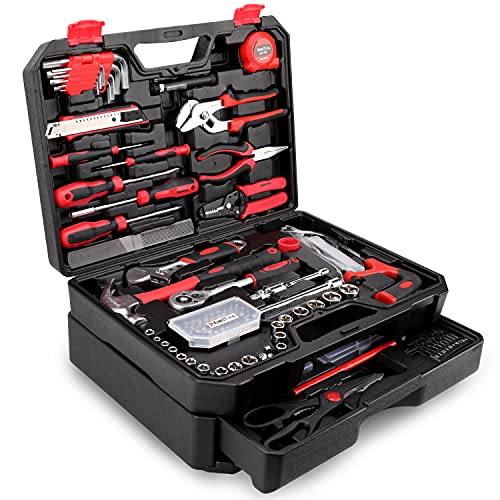
KingTool 325 Piece Home Repair Tool Kit, General Home/Auto Repair Tool Set, Toolbox Storage Case with Drawer, General Household Tool Kit – Perfect for Homeowner, Diyer, Handyman
[Toolbox Included] – Includes 1-Drawer storage box with independent sliding drawer to enlarge the capacity more than common…
As an affiliate, we earn on qualifying purchases.
As an affiliate, we earn on qualifying purchases.