
To effectively manage risk and fraud, you should implement strong customer verification processes from the start, using methods like IDs, biometrics, and multi-factor authentication. Continuously monitor transactions for unusual activity, setting up alerts for suspicious behaviors. Regularly update your security protocols and stay compliant with regulations across jurisdictions. Combining verification and ongoing oversight helps build trust and protect your platform. Keep exploring to discover more strategies to safeguard your payment company.
Key Takeaways
- Implement thorough customer verification protocols using IDs, biometrics, and multi-factor authentication to confirm user identities from the start.
- Use continuous transaction monitoring with automated tools and machine learning to detect unusual activities and potential fraud in real time.
- Establish clear procedures and staff training for investigating and responding to suspicious transactions promptly.
- Regularly update security measures and audit compliance to adapt to evolving threats and regulatory requirements.
- Integrate verification and monitoring into a comprehensive risk management strategy to build trust and protect platform integrity.

As a new payment company, managing risk and fraud is essential to building trust and ensuring long-term success. When you’re just starting out, establishing robust security measures is crucial to protect your platform, your customers, and your reputation. Customer verification serves as the first line of defense. By implementing thorough customer verification processes, you can confirm the identities of your users and prevent fraudulent accounts from entering your system. This might include requiring government-issued IDs, biometric verification, or multi-factor authentication. The goal is to make sure that each user is who they claim to be, reducing the chance of identity theft and unauthorized access. Incorporating these checks early on helps you create a trustworthy environment, which reassures legitimate users that their transactions are secure.
Implement thorough customer verification to prevent fraud and build user trust from the start.
Alongside customer verification, transaction monitoring plays a vital role in risk management. Once users are verified, you need ongoing oversight of their activities to detect suspicious behavior. Transaction monitoring involves analyzing transaction patterns, amounts, and frequencies to identify anomalies that could indicate fraud or money laundering. For example, if a user suddenly makes multiple high-value transactions or moves funds to unusual locations, your system should flag this activity for review. Automated tools equipped with machine learning algorithms can help you spot these red flags in real-time, allowing you to intervene swiftly before any damage occurs. By continuously monitoring transactions, you not only protect your platform from fraudulent activity but also comply with regulatory requirements, which can vary depending on your jurisdiction. Additionally, understanding the capabilities of electric bikes can inform your risk strategies if your platform involves physical assets or related services.
Both customer verification and transaction monitoring should be integrated into a comprehensive risk management strategy. It’s not enough to verify users once; you need ongoing vigilance. This includes setting up alerts for suspicious activities and establishing a clear process for investigating potential fraud cases. Educating your team to recognize signs of fraud and having clear protocols ensures you respond quickly and effectively. Additionally, leveraging technology like fraud detection software can automate much of this work, reducing manual errors and increasing accuracy. Regular audits and updates to your security protocols keep your defenses strong against evolving threats.
In essence, managing risk and fraud for your payment company involves implementing strict customer verification measures and deploying continuous transaction monitoring. These steps help you build a secure platform, foster trust among your users, and maintain compliance with industry standards. By staying proactive and vigilant, you can minimize financial losses, protect your reputation, and set the foundation for sustainable growth in a competitive market.

ID Scanner for Bars and Clubs – Easy to Use and Reliable ID Checker for Your Business that Detects Expired IDs & Underage Customers – Works in All 50 States – Includes Optional Fake ID Detection
Unlimited Standard ID Scanning — Always Free – Instantly verifies age and expiration on every scan and automatically…
As an affiliate, we earn on qualifying purchases.
As an affiliate, we earn on qualifying purchases.
Frequently Asked Questions
How Do New Payment Companies Detect Emerging Fraud Patterns?
You can detect emerging fraud patterns by leveraging machine learning and behavioral analytics. Machine learning models analyze vast transaction data to identify anomalies and predict potential fraud. Meanwhile, behavioral analytics monitors user behaviors, flagging unusual activities that deviate from normal patterns. By continuously updating these systems with new data, you stay ahead of evolving fraud tactics, strengthening your defenses and minimizing financial losses.
What Are the Best Tools for Real-Time Fraud Monitoring?
For real-time fraud monitoring, you should prioritize powerful tools like machine learning and behavior analytics. Machine learning quickly detects suspicious activity by analyzing vast data, while behavior analytics uncovers unusual user patterns. Combining these cutting-edge tools helps you catch covert cons and suspicious shifts swiftly. With these dynamic, data-driven devices, you can defend your payments’ integrity, detect deception, and diminish danger before damage occurs.
How Can Startups Balance Security With User Experience?
You can balance security with user experience by prioritizing user privacy and implementing data encryption, ensuring sensitive information stays protected without adding friction. Use seamless security measures like biometric authentication and risk-based verification, so users aren’t overwhelmed. Communicate clearly about privacy policies, building trust while maintaining strong security protocols. This approach keeps your platform safe without compromising ease of use, fostering loyalty and trust among your users.
What Legal Considerations Impact Fraud Prevention Strategies?
Imagine your fraud prevention strategies are a fortress, but legal considerations are the secret blueprint. You must prioritize privacy compliance to avoid costly fines and reputational ruin. Contractual obligations with partners and customers demand strict adherence, or you risk legal battles that could topple your startup. Staying informed about evolving regulations like GDPR or CCPA guarantees your defenses stay strong, protecting both your business and your users’ trust.
How Should Companies Handle False Positives in Fraud Detection?
You should implement false positive management by regularly reviewing and refining your fraud detection rules to minimize unnecessary disruptions. When false positives occur, communicate openly with your customers, explaining the situation and offering quick resolution steps. Maintaining transparency builds trust, while prompt customer support ensures they feel valued. Balancing effective fraud detection with proactive customer communication helps protect your business without alienating genuine users.

Mantra MFS 110 L1 Biometric Single Fingerprint Scanner | Aadhaar Authentication Device | Latest Updated RD Service | High Securety and Fast scanning | Reliable and Durable
MFS110 L1 USB Fingerprint Scanner
As an affiliate, we earn on qualifying purchases.
As an affiliate, we earn on qualifying purchases.
Conclusion
As you navigate the world of new payment companies, remember that effective risk management is vital. Did you know that nearly 60% of fintech startups face fraud-related issues within their first year? By staying vigilant and implementing robust security measures, you can protect your business and customers alike. Embrace continuous monitoring and adapt to emerging threats, ensuring your platform remains trustworthy and resilient in a rapidly evolving landscape. Your proactive approach makes all the difference.
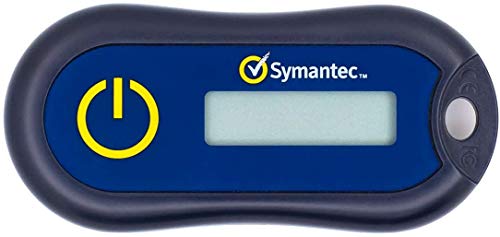
Symantec VIP Hardware Authenticator – OTP One Time Password Display Token – Two Factor Authentication – Time Based TOTP – Key Chain Size
Standard OATH compliant TOTP token (time based)
As an affiliate, we earn on qualifying purchases.
As an affiliate, we earn on qualifying purchases.

The 2027-2032 World Outlook for Transaction Monitoring Software
As an affiliate, we earn on qualifying purchases.
As an affiliate, we earn on qualifying purchases.