

TL;DR
The Federal Communications Commission (FCC) has announced plans to auction 160 MHz of mid-band spectrum to support 5G expansion. The auction aims to allocate key frequencies for wireless providers, though specific details and timelines are still being finalized. This development could significantly influence the future of 5G deployment and network competition.
The Federal Communications Commission (FCC) has announced plans to auction 160 MHz of mid-band spectrum to facilitate the expansion of 5G networks across the United States. This move aims to allocate vital frequencies to wireless providers, potentially boosting coverage and capacity. The auction is scheduled for later this year, though specific dates and participating entities are still being finalized. This development is significant because it could accelerate 5G deployment and influence industry competition.
The FCC’s announced auction will target 160 MHz of spectrum in the mid-band range, which is considered critical for 5G services due to its balance of coverage and capacity. The agency has indicated that the spectrum will be made available through a competitive bidding process, with the goal of promoting efficient use and fostering innovation. Officials have not yet provided detailed timelines or the exact frequencies involved, but the auction is expected to take place later in 2024, possibly in the second half of the year.
Industry experts and wireless providers have expressed support for the move, emphasizing the importance of additional spectrum for meeting increasing data demands. The FCC’s decision follows ongoing discussions about spectrum allocation and efforts to close the gap between current 4G coverage and future 5G needs. The agency has also outlined plans to ensure fair access and prevent spectrum hoarding, though specifics are still under discussion.
Why the Spectrum Auction Will Impact 5G Deployment
This auction is a key step in expanding 5G infrastructure in the U.S., offering wireless providers more resources to improve coverage and capacity. By allocating 160 MHz of mid-band spectrum, the FCC aims to address current network congestion and support innovative applications like autonomous vehicles, remote healthcare, and smart cities. The move could also influence market dynamics, encouraging more competition among providers and potentially leading to lower prices for consumers.
Furthermore, the auction aligns with federal efforts to enhance national security by ensuring critical frequencies are efficiently managed and accessible to multiple providers. Overall, the spectrum allocation could shape the future landscape of wireless connectivity and digital infrastructure in the U.S.
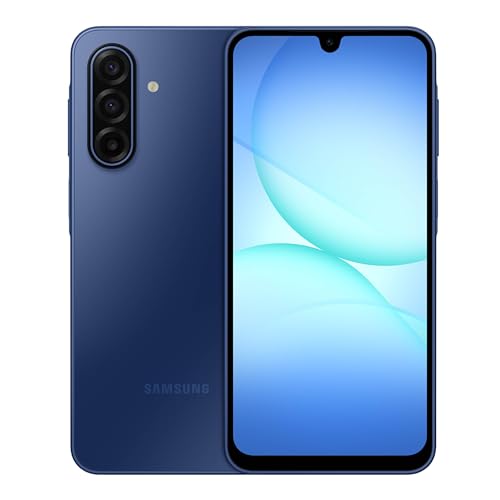
Samsung Galaxy A17 5G Smart Phone 128GB, US 1 Yr Manufacturer Warranty Blue
- Display Size: 6.7-inch FHD+ Super AMOLED
- Fast Charging: Super Fast Charging technology
- Camera System: Triple-lens camera for versatile shots
As an affiliate, we earn on qualifying purchases.
As an affiliate, we earn on qualifying purchases.
Background on Spectrum Allocation and 5G Expansion Efforts
The FCC has been actively involved in spectrum management to support 5G rollout since the technology’s inception. Previous auctions have allocated bands for mobile broadband, but mid-band spectrum remains highly sought after due to its balance of coverage and speed. In recent years, the U.S. government has emphasized the importance of securing sufficient spectrum for 5G to maintain global competitiveness.
Industry stakeholders have long called for more spectrum in the mid-band range, citing increasing demand for data and the need for reliable, high-capacity networks. The FCC’s recent announcement follows a series of consultations and proposals aimed at optimizing spectrum use and fostering innovation. This auction is part of a broader strategy to ensure that the U.S. stays at the forefront of wireless technology development.
“This auction will be a pivotal step in expanding 5G coverage and capacity, supporting innovation and economic growth.”
— FCC Chair Jessica Rosenworcel

Cell Phone Booster for Home Office | Boosts 5G & 4G LTE | Cell Phone Signal Booster for All U.S. Carriers-Verizon, AT&T, T-Mobile & More | for Band 12/17,13,5,25/2,4 | HD Display | App | FCC Approved
- Signal Boost for 2000 Sq.ft.: Enhances 5G and 4G LTE signals
- Universal Carrier Compatibility: Works with all U.S. carriers including Verizon, AT&T, T-Mobile
- Supports Multiple Bands: Compatible with Bands 12/17, 13, 5, 25/2, 4
As an affiliate, we earn on qualifying purchases.
As an affiliate, we earn on qualifying purchases.
Unresolved Details and Timing of the Spectrum Auction
While the FCC has announced the auction, specific details such as the exact frequencies involved, the auction format, and the timeline remain unconfirmed. It is also unclear how many companies will participate or how the spectrum will be divided among bidders. Additionally, regulatory conditions and potential restrictions are still being discussed, which could influence the auction’s outcome.
Further updates from the FCC are anticipated, but precise information is not yet available, leaving some uncertainty about the final structure and impact of the auction.
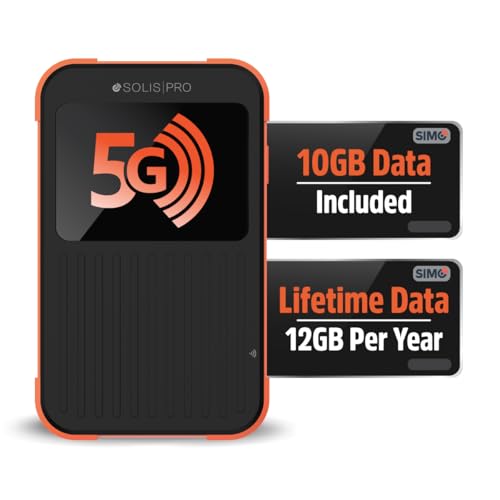
SIMO Solis PRO, 5G WiFi Hotspot with 1GB/Monthly + 10GB Global Data
- 2-in-1 Device: 5G hotspot with built-in power bank
- Connect Multiple Devices: Supports up to 20 devices simultaneously
- Smart Signal Detection: Finds strongest signal with SignalScan AI
As an affiliate, we earn on qualifying purchases.
As an affiliate, we earn on qualifying purchases.
Next Steps and Expected Timeline for the Auction
The FCC is expected to release detailed auction rules and schedules in the coming months, likely in mid-2024. Industry stakeholders and potential bidders will prepare for participation, with some already expressing interest. The agency will also conduct consultations to finalize conditions and ensure transparency.
The auction itself is anticipated to occur later in 2024, possibly in the third or fourth quarter. Post-auction, the FCC will allocate spectrum licenses and monitor deployment, with the goal of rapidly expanding 5G networks nationwide.

TP-Link AC1200 WiFi Extender – 1.2Gbps Home Signal Booster, Dual Band 5GHz/2.4GHz, Up to 1600 Sq.ft and 32 Devices, EasyMesh Compatible, One Ethernet Port (RE315)
- Enhanced Wi-Fi Coverage: Eliminates dead zones with strong signal
- Dual-Band Speed: Supports 867 Mbps on 5GHz and 300 Mbps on 2.4GHz
- Wide Coverage Area: Covers up to 1500 sq.ft with 2 antennas
As an affiliate, we earn on qualifying purchases.
As an affiliate, we earn on qualifying purchases.
Key Questions
What is mid-band spectrum and why is it important for 5G?
Mid-band spectrum refers to frequencies that balance coverage and speed, making them ideal for 5G networks. They enable faster data transmission than low-band frequencies and cover larger areas than high-band frequencies, supporting widespread 5G deployment.
When will the spectrum auction take place?
The FCC has not yet announced the exact date, but it is expected to occur later in 2024, likely in the second half of the year.
How will this auction affect consumers and wireless providers?
Increased spectrum availability could lead to improved network coverage, higher speeds, and potentially lower prices due to increased competition among providers.
Are there any restrictions on who can bid in the auction?
The FCC will set rules for participation, which typically include eligibility criteria related to licensing and regulatory compliance. Specific restrictions are still being finalized.
Source: google-trends