

Cybersecurity regulations in the payments industry set strict standards to protect your sensitive financial data. They require implementing tokenization to replace actual account details with secure tokens, along with incident response plans to quickly handle breaches. These rules also mandate continuous system monitoring, regular audits, and compliance with standards like PCI DSS. Staying compliant helps safeguard your information and builds trust. If you want to understand how these measures work together, keep exploring the key security practices shaping the industry.
Key Takeaways
- Regulatory frameworks mandate strict security protocols like tokenization and incident response planning to safeguard payment data.
- Compliance requires multi-layered security controls, continuous monitoring, and regular vulnerability testing of payment systems.
- Payment providers must develop and regularly update incident response strategies to contain breaches and notify affected customers promptly.
- Industry standards such as PCI DSS enforce data protection measures and promote secure payment processing practices.
- Adherence to cybersecurity regulations enhances consumer confidence and industry reputation by demonstrating commitment to data security.

Have you ever wondered how the payments industry keeps your financial data safe amid rising cyber threats? The answer lies in a combination of advanced security measures, strict regulations, and proactive strategies. One key method that guarantees sensitive information remains protected is tokenization. Tokenization methods replace your actual card or account details with a unique, randomly generated token. This token holds no intrinsic value and is useless to cybercriminals if intercepted, making it considerably harder for hackers to exploit your data. When you make a purchase, the payment system swaps out your real data with a token, and only authorized systems can reverse this process securely. This approach minimizes the risk of data breaches and helps payment processors comply with industry standards like PCI DSS (Payment Card Industry Data Security Standard). Additionally, adopting best practices in security enhances the overall resilience of the system against emerging threats.
But security doesn’t stop at tokenization. An essential part of maintaining a resilient defense is having a solid incident response plan. When a cyber incident occurs, a well-executed response can contain the damage, prevent further data leaks, and restore trust quickly. Payment providers are required by regulations to develop and routinely update their incident response strategies. These plans include clear procedures for detecting breaches, notifying affected customers, and working with law enforcement or cybersecurity experts. The goal is to minimize downtime and ensure that security gaps are identified and patched swiftly. You, as a consumer, benefit from this rigorous preparation because it reduces the chances of prolonged exposure to cyber threats and enhances overall trust in the system.
Regulatory frameworks like the PCI DSS enforce strict security protocols, including the use of tokenization and incident response procedures, to create a safer environment for digital payments. These regulations compel organizations to implement multi-layered security controls, monitor their networks continuously, and respond promptly to suspicious activities. They also demand regular audits and testing to identify vulnerabilities before cybercriminals do. By adhering to these standards, payment companies not only protect your data but also demonstrate their commitment to security, fostering confidence in electronic transactions.
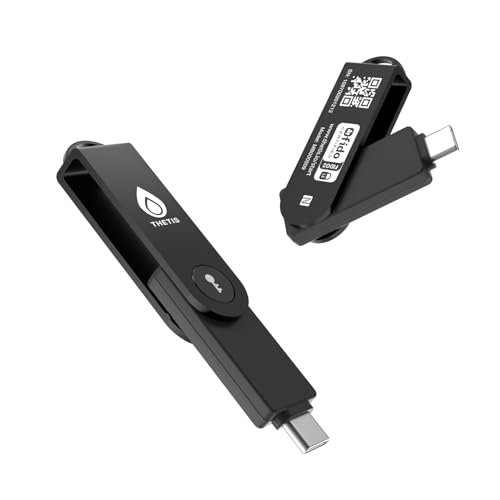
Thetis Pro-C FIDO2 (L2) Security Key Passkey Device with USB C & NFC, TOTP/HOTP Authenticator APP, FIDO 2.0 Two Factor Authentication 2FA MFA, Supports Windows/macOS/Linux/Gmail/Facebook/Dropbox
- FIDO2 Level 2 Authentication: Secure passwordless sign-in for supported services
- Multi-Factor Authentication: Supports FIDO2 and TOTP/HOTP for account protection
- USB-C & NFC Compatibility: Works seamlessly with PCs, Macs, iPhones, Android
As an affiliate, we earn on qualifying purchases.
As an affiliate, we earn on qualifying purchases.
Frequently Asked Questions
How Often Do Cybersecurity Regulations in Payments Industry Change?
You can expect cybersecurity regulations in the payments industry to change periodically, often influenced by regulatory updates and evolving threats. These updates typically happen every 1-3 years, so staying on top of compliance cycles is vital. Regularly monitor industry news and official notices, as authorities aim to keep regulations current and effective. Being proactive helps you adapt quickly and maintain compliance amid these changing requirements.
Are Small Payment Providers Required to Comply With All Regulations?
Small providers aren’t always required to comply with every regulation, thanks to regulatory exemptions designed for them. However, you should check specific rules applicable to your business size and type. While some exemptions exist, you’re still responsible for maintaining essential security standards. Staying informed about applicable regulations and exemptions helps you protect customer data and avoid penalties, ensuring your payment services remain compliant and trustworthy.
What Are the Penalties for Non-Compliance With Cybersecurity Laws?
You face strict penalties if you don’t comply with cybersecurity laws, risking hefty fines, enforcement actions, and damage to your reputation. A data breach can lead to costly lawsuits, regulatory investigations, and loss of customer trust. Non-compliance casts a shadow over your operations, inviting penalties that can cripple your business. Stay vigilant, implement robust security measures, and avoid enforcement actions that threaten your growth and credibility.
How Do Regulations Differ Internationally in the Payments Sector?
You’ll find that international regulations differ substantially in the payments sector due to cross border compliance and cultural differences. Some countries have strict data protection laws, while others focus more on transaction security. These variations mean you must adapt your cybersecurity practices to meet each region’s specific standards, ensuring you stay compliant and maintain customer trust across diverse markets. Understanding these differences helps you navigate global payments effectively.
What Are the Best Practices for Maintaining Ongoing Compliance?
To maintain ongoing compliance, you should regularly perform risk assessments to identify vulnerabilities and adapt your security measures accordingly. Employee training is vital; make certain your staff are up-to-date on cybersecurity protocols and recognize potential threats. Implement continuous monitoring and audits to detect issues early. By fostering a security-first culture and staying informed about evolving regulations, you guarantee your payment systems remain compliant and secure against emerging cyber threats.

Cybersecurity Office Poster Print – Incident Response Flow Chart – 13×19
- Incident Response Phases: Detection to Lessons Learned in six steps
- Color-Coded Workflow: Labeled modules, arrows, icons for clarity
- 13×19 Glossy Poster: Vivid, crisp print in vertical format
As an affiliate, we earn on qualifying purchases.
As an affiliate, we earn on qualifying purchases.
Conclusion
Staying compliant with cybersecurity regulations in the payments industry is essential, especially as cyber threats evolve. Did you know that over 80% of payment card fraud involves data breaches? By understanding and adhering to these regulations, you not only protect your customers but also strengthen your business’s reputation. Keep up with the latest standards, invest in secure systems, and stay vigilant—your proactive efforts make all the difference in safeguarding sensitive information.

PCI DSS in Action: Implementing Cardholder Data Security and Compliance in Modern Payment Environments
As an affiliate, we earn on qualifying purchases.
As an affiliate, we earn on qualifying purchases.

Software Tester Black
- Software Tester T-Shirt: Best software tester shirt for you
- Holiday Gift Idea: Great gift for holidays and occasions
- Job Title Shirt: Software tester job-themed T-shirt
As an affiliate, we earn on qualifying purchases.
As an affiliate, we earn on qualifying purchases.