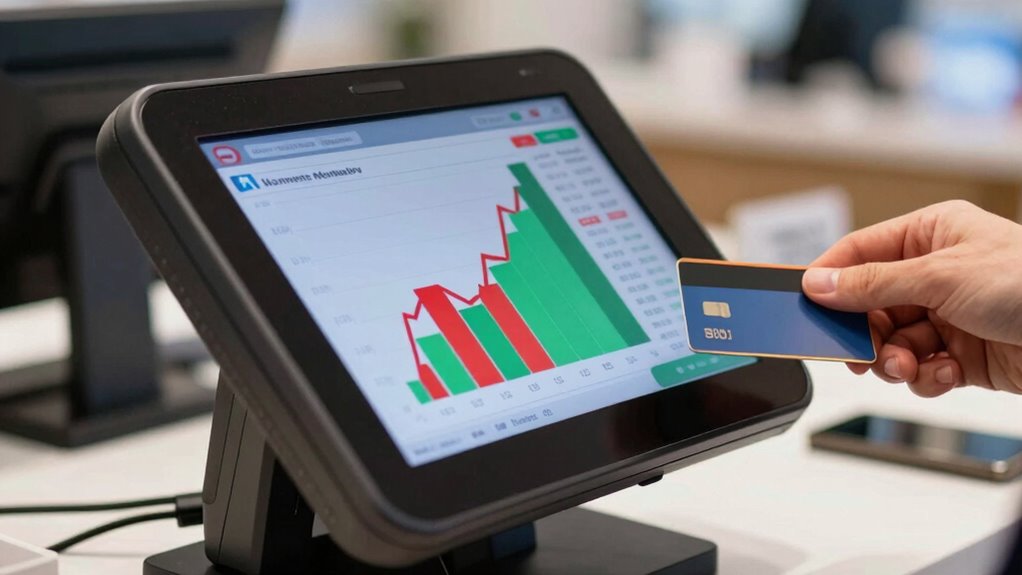

To detect margin compression in your payments program, monitor your gross margins regularly and compare them to historical data. Pay attention to rising costs, declining customer retention, and increased marketing expenses that signal trouble. Watch for external market shifts like inflation or supply chain issues impacting costs. If you find your profits shrinking despite steady sales, consider reviewing your pricing strategies and operational efficiencies. Keep exploring these signs to stay ahead of potential revenue leaks.

Get business pricing on office and shipping supplies
- Business-only prices and quantity discounts
- Tax-exempt purchasing
- Multiple users, one account, clear invoices
Key Takeaways
- Monitor gross profit margins regularly and compare them to historical data for signs of decline.
- Analyze customer churn rates and feedback to identify potential pricing or value issues.
- Track operational costs and supply chain disruptions that may be increasing expenses.
- Review pricing strategies frequently to ensure they align with market conditions and customer expectations.
- Stay alert to external economic factors like inflation or market trends affecting profit margins.
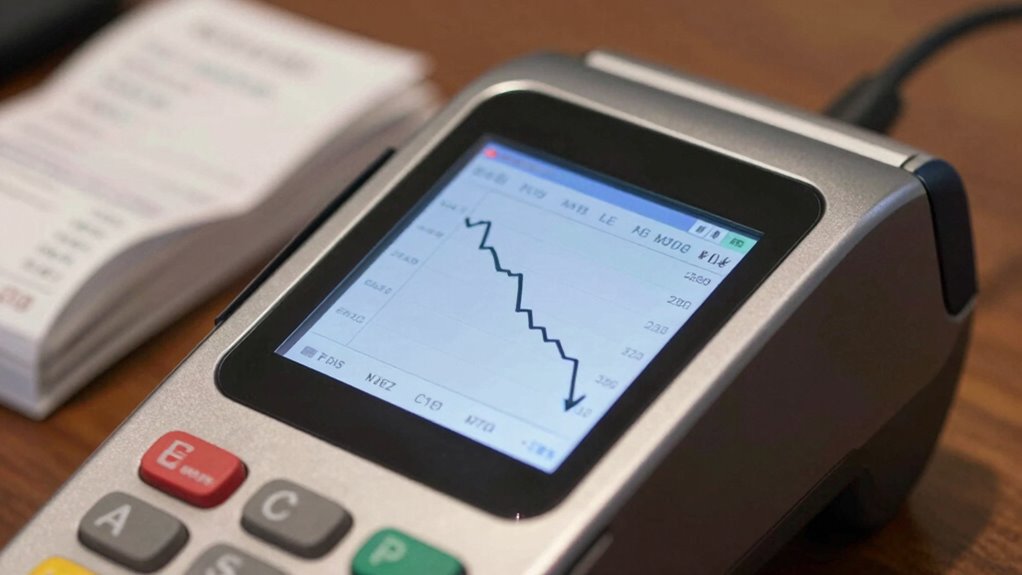
Are you aware of the signs that indicate your company’s profit margins are shrinking? Recognizing early warning signs is essential to take swift action before margin compression eats into your bottom line. One key indicator is a decline in overall profitability despite steady sales volume. When your revenue stays consistent but profits decrease, it suggests your costs are rising or pricing strategies aren’t effectively covering expenses. It’s vital to analyze your gross margins regularly, comparing current figures to historical data to spot any downward trends. If you notice a narrowing margin, it’s often a sign that competitors may be undercutting your prices or that your operational costs are climbing unexpectedly. Incorporating cost management strategies can help identify areas where expenses can be optimized to protect margins.
Declining profits despite steady sales signal rising costs or ineffective pricing strategies. Regular margin analysis is crucial.
Another sign to watch for is changes in customer retention rates. A drop in repeat business or customer churn can force you to spend more on acquiring new customers, which can erode margins. If existing customers aren’t returning, you might feel compelled to offer discounts or promotional deals to attract new ones, further squeezing your profit margins. Consistent monitoring of customer feedback and retention metrics helps identify whether dissatisfaction or increased competition is impacting loyalty. High customer churn can be a red flag that your pricing strategies aren’t aligned with customer expectations or that your value proposition isn’t compelling enough to sustain long-term loyalty. Additionally, market conditions such as inflation or supply chain disruptions can also contribute to margin pressures, making it crucial to stay informed about external economic factors. Staying informed about industry trends can help you anticipate and react to changes that affect your margins. Moreover, understanding cost fluctuations and their impact on your expenses enables better strategic planning.
Pricing strategies play a pivotal role in combating margin compression. If you’re unable to adjust your prices without losing customers, it indicates a delicate balance you need to manage carefully. Regularly reviewing your pricing models, considering value-based pricing, and testing different price points can help you find that sweet spot where margins are protected, and customer satisfaction remains high. Additionally, bundling services or offering tiered pricing can enhance revenue without alienating your core customer base. When you adapt your pricing strategies to market conditions, you can better control your margins and avoid the downward spiral of price wars and diminishing profits.
Ultimately, maintaining a keen eye on these signals—profitability trends, customer retention, and pricing effectiveness—enables you to act proactively. If you detect margin compression early, you can implement targeted strategies to improve operational efficiency, refine your pricing, or strengthen customer relationships. Staying vigilant allows you to keep your payments program healthy and your profit margins resilient, ensuring your business stays competitive and financially stable in a dynamic market environment.
financial margin analysis software
As an affiliate, we earn on qualifying purchases.
As an affiliate, we earn on qualifying purchases.
Frequently Asked Questions
What Are Early Signs of Margin Compression?
You’ll notice early signs of margin compression when your pricing strategies no longer cover rising costs, leading to reduced profit margins. If you see customers pushing back on pricing or discounts increasing, it’s a warning sign. Additionally, ineffective cost management can squeeze margins further. Keep an eye on your expenses and adjust your pricing strategies proactively to maintain healthy margins and prevent ongoing profitability issues.
How Does Customer Behavior Influence Margin Compression?
Like a ripple in a pond, customer behavior impacts margin compression profoundly. When customer loyalty dips or transaction volume declines, it signals pricing pressures and increased competition. You might notice customers opting for cheaper alternatives or reducing their purchase frequency, squeezing your margins. Staying attentive to these shifts helps you identify early signs of margin compression, allowing you to adjust your payments strategies proactively and maintain profitability despite changing customer preferences.
Can Margin Compression Vary Across Different Payment Methods?
Yes, margin compression can vary across different payment methods. By analyzing payment method diversity, you can identify which channels are more prone to margin erosion. Conducting transaction cost analysis helps you understand the costs associated with each method, revealing where margins are shrinking. This insight allows you to optimize your payment mix, reduce costs, and maintain healthier profit margins across your payment strategies.
What Role Do Industry Trends Play in Margin Changes?
Industry trends act like a compass, guiding your margins through shifting sands. Regulatory shifts often tighten rules, squeezing profits, while technological advancements can either cut costs or introduce new competitive pressures. Staying ahead of these changes helps you anticipate margin fluctuations, enabling strategic adjustments. By actively monitoring these trends, you can better protect your margins, ensuring your payments program remains resilient amid the ever-evolving landscape.
How Often Should I Review My Payments Program for Margin Issues?
You should review your payments program regularly—at least quarterly—to spot margin issues early. Keep an eye on your pricing strategies and perform competitive analysis to see how your fees compare. Regular reviews help you identify margin compression trends, allowing you to adjust your pricing or strategies proactively. Staying vigilant guarantees you maintain healthy margins and stay competitive in the evolving payments landscape.
As an affiliate, we earn on qualifying purchases.
Conclusion
By staying vigilant and analyzing your payment data, you catch margin compression early. It’s the quiet erosion that sneaks in, like a slow leak in a tire. But with proactive monitoring, you can patch the leak before it causes a blowout. Recognize the signs, act swiftly—because in payments, every percentage point matters. When you stay alert, you turn potential losses into opportunities for growth, keeping your margins healthy and your business thriving.
cost management software for small business
As an affiliate, we earn on qualifying purchases.
As an affiliate, we earn on qualifying purchases.
customer retention analytics tools
As an affiliate, we earn on qualifying purchases.
As an affiliate, we earn on qualifying purchases.
Evergreen bestsellers Picks
bestsellers
As an affiliate, we earn on qualifying purchases.