When mounting your kitchen display, choose a sturdy, accessible spot away from heat sources, metal appliances, and steam, ensuring stability during busy times. Proper placement improves wireless connectivity and prevents overheating, which can damage the device. Use ventilation, cooling fans, or heat sensors to manage heat effectively and consider reliable power options like UPS for uninterrupted operation. Correct mounting and heat planning help your display work safely and reliably—keep exploring to discover more helpful tips.

Get business pricing on office and shipping supplies
- Business-only prices and quantity discounts
- Tax-exempt purchasing
- Multiple users, one account, clear invoices
Key Takeaways
- Mount devices on sturdy surfaces or wall brackets, ensuring accessibility and avoiding interference from metal appliances or walls.
- Position displays in well-ventilated areas away from heat sources like ovens and stoves to prevent overheating.
- Use proper airflow and ventilation solutions, such as fans or vents, to maintain optimal operating temperatures.
- Implement heat sensors and cooling solutions to monitor and prevent device overheating during busy kitchen operations.
- Ensure stable wireless connectivity by placing displays away from metal interference, supporting real-time updates and reliable communication.
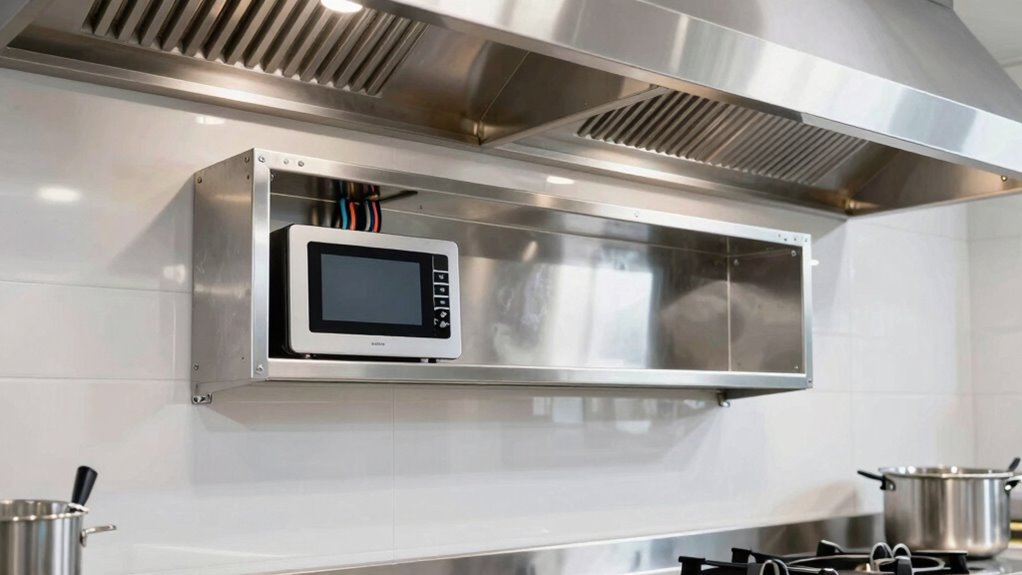
If you’re installing kitchen display hardware, understanding its mounting and heat management needs is essential for reliable operation. Proper mounting ensures the device stays secure amid busy kitchen activities, while effective heat management prevents overheating that could cause damage or downtime. As you plan your setup, keep in mind that wireless connectivity plays a crucial role. A stable Wi-Fi connection is necessary for real-time updates, order tracking, and communication with other kitchen systems. Make sure your display is positioned where it has strong signal reception, avoiding interference from metal appliances or walls. Mount the device securely on a sturdy surface or wall bracket, ensuring it’s accessible yet out of the way of splashes, steam, and accidental bumps. This prevents damage and maintains consistent performance over time.
Power management is another critical aspect. Kitchen environments can be unpredictable, so choose hardware that offers reliable power options—whether through direct connection to a power outlet or via a stable power supply. Consider installing an uninterruptible power supply (UPS) if outages are frequent, to keep your display operational during power dips. This reduces the risk of losing critical order information or disrupting communication with staff. Additionally, look for hardware with energy-efficient components and power-saving modes. These features help reduce electricity consumption, especially important in busy kitchens where multiple devices operate simultaneously. Proper placement of hardware can also aid in minimizing heat buildup and improving airflow, which is crucial for maintaining optimal operating temperatures.
Heat management is often overlooked but is vital for the longevity of your equipment. Kitchen displays generate heat during operation, and high ambient temperatures from cooking or appliances can accelerate wear and tear. To mitigate this, mount your display in an area with good airflow, away from heat sources like stoves or ovens. Consider installing cooling fans or ventilation if necessary, particularly for larger or more powerful displays. Proper heat dissipation not only prolongs the lifespan of your hardware but also ensures it performs smoothly without lag or crashes caused by overheating. Ensuring proper ventilation can significantly extend the durability of your devices in the demanding kitchen environment. Additionally, selecting hardware with built-in heat sensors can help monitor temperature levels and alert you to potential overheating issues before they become critical.
Products Worth Considering

Apple Mac mini Desktop Computer with M6 Chip (2026)

Dell 27 Plus 4K Monitor (S2725QS), 27-inch IPS, 120Hz

Logitech MX Master 4 for Mac Wireless Ergonomic Mouse, White Silver
As an affiliate, we earn on qualifying purchases.
Frequently Asked Questions
What Are the Best Mounting Options for Kitchen Displays?
You should consider using wall mounts, articulating arms, or countertop stands for kitchen displays, depending on your space and workflow. Look for aesthetic options like sleek, minimal designs that blend with your kitchen decor. Choose mounting materials such as stainless steel, aluminum, or durable plastic, ensuring they withstand heat and moisture. This way, your displays remain accessible, secure, and visually appealing in a busy kitchen environment.
How Does Heat Affect the Durability of Display Hardware?
Heat can substantially impact your display hardware’s durability by causing temperature fluctuations, which may lead to expansion and contraction of components. This stress can weaken the hardware over time, increasing the risk of hardware corrosion. To protect your equipment, guarantee proper ventilation and choose heat-resistant materials. Regular maintenance and monitoring help prevent damage, assuring your display remains functional and reliable despite temperature changes.
Are Waterproof or Splash-Proof Mounts Necessary in Kitchens?
You should definitely consider waterproof placement and splash-proof design for your kitchen displays. In a bustling kitchen, splashes and spills happen unexpectedly, and a standard mount might not withstand the chaos. Splash-proof mounts provide peace of mind, protecting your hardware from moisture damage. Don’t leave it to chance—invest in waterproof or splash-proof mounts to guarantee your displays stay functional, durable, and safe amidst the unpredictable environment.
What Safety Precautions Should Be Taken During Installation?
During installation, you should prioritize electrical safety by ensuring all wiring is properly insulated and grounded to prevent shocks. Use waterproof or splash-proof mounts to reduce fire hazards caused by moisture, especially in heat-prone areas. Turn off power before starting, wear protective gear, and follow manufacturer instructions carefully. Regularly inspect connections afterward to maintain safety, and avoid overloading circuits that could increase fire risk.
How Often Should Kitchen Display Hardware Be Maintained or Checked?
You should check your kitchen display hardware weekly to guarantee smooth operation. Regular maintenance includes inspecting for loose cables and practicing good cable management to prevent damage. Additionally, keep the software updated to enhance security and performance. Regular checks help you catch issues early, avoiding downtime during peak hours. By staying proactive, you’ll ensure your displays remain reliable, safe, and efficient, supporting your kitchen’s workflow seamlessly.
Conclusion
So, next time you think about where to place your kitchen display, remember—it’s not just about convenience, but about surviving the heat and chaos. Ironically, your high-tech device might be the first to fry if you skip proper mounting and heat planning. Don’t let your shiny new gadget turn into a melted mess; instead, give it the thoughtful setup it deserves. After all, a little planning now saves a lot of replacement bills later.