
TL;DR
The best laptops for students blend performance with portability. Recent trends like Chromebooks and 2-in-1s offer versatile choices, making it easier to find a device that fits your needs and budget.
Imagine lugging a bulky laptop through crowded hallways, only to realize it’s too heavy or runs out of juice before your last class. It’s frustrating, right? Picking the right laptop isn’t just about specs; it’s about how well it fits your daily routine. This guide will help you understand what to look for, what’s new, and how to find a device that keeps up with your academic life.
Whether you’re in high school or college, your laptop is your portable classroom, notebook, and sometimes even your social hub. Making the right choice means considering performance, weight, battery life, and your budget—all woven into the latest tech trends. Let’s get into it!
Prioritize performance specs like an Intel Core i5 or AMD Ryzen 5, and at least 8GB RAM for smooth multitasking.
Opt for lightweight designs and batteries that last 8+ hours to keep up with a full day on campus.
Consider newer trends like Chromebooks and 2-in-1 convertibles for affordability and versatility.
Set a realistic budget—budget models handle basic tasks, while premium devices suit demanding software.
Match your laptop choice to your main activities: performance for projects, portability for commuting, or simplicity for cloud tasks.
What Makes a Laptop Great for Students? Focus on These 5 Things
When choosing a student laptop, performance and durability matter most. You want a device that handles multitasking, runs smoothly, and survives daily bumps. Think of it as your trusty sidekick for studying, streaming, and maybe even gaming.
Here’s what to focus on:
- Processor: Intel Core i5 or AMD Ryzen 5 are the sweet spots for speed and efficiency. They strike a balance between power and energy consumption, which affects battery life and heat generation. Choosing a processor that’s too weak can lead to sluggish performance, especially when multitasking or running demanding applications. Conversely, opting for a top-tier processor may increase cost without significant benefit for typical student tasks.
- RAM: 8GB is standard; 16GB if you’re into heavy multitasking or creative work. More RAM allows multiple applications to run smoothly simultaneously, reducing lag during intensive tasks like video editing or running virtual labs. However, excessive RAM beyond your actual needs can be an unnecessary expense, so consider your typical workload.
- Storage: SSDs offer lightning-fast load times. Aim for 256GB or more. SSDs dramatically improve boot times and file access, which is crucial during exams or project deadlines. While larger storage provides more space, it also adds cost; cloud storage solutions can supplement local storage for less frequently accessed files.
- Build quality: A sturdy chassis or rugged design helps it survive the daily grind. Look for laptops with reinforced hinges, spill-resistant keyboards, and durable materials, especially if you’ll be carrying your device often or in unpredictable environments. Sacrificing build quality for a cheaper price can lead to costly repairs or replacements down the line.
For example, a college student juggling Zoom lectures, writing papers, and photo editing benefits from a solid processor and ample RAM. Think of your laptop as a reliable workhorse, not a fragile gadget.

HP 15 Laptop (15.6" FHD Touchscreen, Intel Core i5-1334U (> i7-1255U), 16GB RAM, 512GB SSD) for Business, Students, Home, 10-Hour Long Battery Life, Webcam, Wi-Fi 6, Numpad, Fast Charge, Win 11 Pro
- Design: Slim, portable with long battery life
- Battery: Up to 10 hours with Fast Charge
- Numeric Keypad: Convenient for number input
As an affiliate, we earn on qualifying purchases.
As an affiliate, we earn on qualifying purchases.
Why Portability and Battery Life Are Non-Negotiables for Students
Ever tried carrying a heavy laptop in a backpack all day? Not fun. For students, a lightweight design and long-lasting battery are game-changers. You want a device that can keep up from morning lectures to late-night study sessions without needing a charger every few hours.
Choosing a lightweight laptop isn’t just about comfort; it directly affects your mobility and energy management. Heavier devices can cause fatigue and may limit how often you carry your laptop, which impacts your ability to work flexibly across campus or at coffee shops. Similarly, a long-lasting battery ensures that you aren’t tethered to outlets, giving you freedom to study wherever you prefer.
For instance, a 3-pound ultrabook with an 8-hour battery life can make your day seamless. Picture walking across campus, your laptop tucked into your bag, ready to pop open for notes or Netflix during downtime.
Look for models with:
- Weight under 3 pounds
- Battery life of 8-10 hours
- Fast charging features (like 50% in 30 minutes)
Tradeoffs can occur: ultra-lightweight laptops may have less powerful components or smaller screens, which can affect usability. Balancing portability with performance is key to finding a device that fits your lifestyle without compromising essential features.
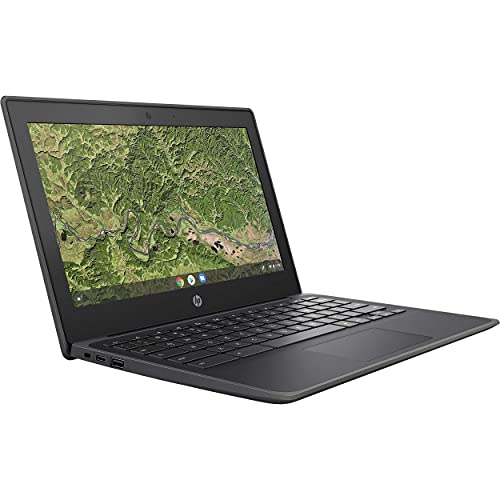
HP Chromebook 11A G8 Education Edition AMD A4-9120C 4GB DDR4-1866 SDRAM, 32GB eMMC 11.6-inch WLED HD Webcam Chrome OS (Renewed)
- Processor: AMD A4-9120C Dual Core 1.6GHz
- Graphics: Radeon R4 Graphics
- Memory: 4GB DDR4 SDRAM
As an affiliate, we earn on qualifying purchases.
As an affiliate, we earn on qualifying purchases.
Display and Keyboard: Your Daily Comforts
Clear, bright screens and comfy keyboards make long study sessions less painful. A Full HD display (1920×1080) or higher ensures text and images pop with vivid detail. Meanwhile, a responsive keyboard with good travel and feedback saves your fingers during hours of typing.
Imagine taking notes during a lecture using a 13-inch, matte screen that reduces glare, and a keyboard that doesn’t tire your hands. These details make a real difference.
Pro tip: Try typing on the laptop before buying. Feel the keys. Look at the screen. Comfort counts.
Deeply considering display and keyboard quality is vital because these are your primary tools for interaction. A poor display can cause eye strain and reduce focus, especially during long sessions. An uncomfortable keyboard can lead to fatigue and decrease productivity. Investing in a high-quality display and keyboard ensures your device supports healthy, efficient work habits and minimizes physical discomfort over time.

HP 14 2-in-1 Chromebook 14in FHD Intel CPU 4GB 64GB Storage (14b-Renewed)
- Display: 14-inch FHD IPS touchscreen with 360° flip
- Graphics: Intel 4K integrated graphics
- Processor: Intel N100 quad-core up to 3.40GHz
As an affiliate, we earn on qualifying purchases.
As an affiliate, we earn on qualifying purchases.
Operating System Choices: Which One Fits Your Style?
Windows, macOS, or Chrome OS — each has its perks. Windows offers compatibility with most software, essential for certain courses. Macs are praised for build quality and seamless ecosystem integration. Chromebooks excel in affordability and cloud-based tasks.
For example, if you’re into Adobe Photoshop or engineering software, Windows or Mac might be necessary. If you mainly browse, write papers, and use Google Classroom, a Chromebook could be perfect.
Tip: Consider your main apps and ecosystem preferences before choosing. Think about how an OS aligns with your workflow and other devices, as switching later can be inconvenient and costly. For instance, Apple users benefit from seamless integration with iPhones and iPads, which can enhance productivity and ease of use. Windows offers greater hardware variety and software compatibility, but sometimes at the expense of ecosystem cohesion. Chromebooks are simple and secure but limited in software options, making them ideal for cloud-based or light-use scenarios.

HP 15.6" FHD Laptop 2026 Edition, Intel Processor, 8GB RAM, 256GB SSD
- Processor: Intel N100 for everyday performance
- Memory: 8GB RAM for multitasking
- Storage: 256GB SSD for fast access
As an affiliate, we earn on qualifying purchases.
As an affiliate, we earn on qualifying purchases.
Latest Trends: What’s New in Student Laptops?
Recent years have brought some exciting tech to student laptops. Chromebooks continue to dominate due to their affordability and ease of use. Convertible 2-in-1 devices like the Microsoft Surface or Lenovo Yoga let you switch from laptop to tablet—great for notes and multimedia.
Processors like Intel’s 13th Gen and AMD Ryzen 7000 series boost speed and efficiency. Wi-Fi 6 and 5G connectivity keep you online faster and more reliably, especially important for remote classes. Eco-friendly designs are also on the rise, with manufacturers using recycled materials and energy-efficient parts.
Imagine a sleek convertible with a vibrant touchscreen, running all day on a single charge—perfect for a busy student who values versatility.
Deep understanding of these trends reveals how technological advances directly support student needs. Faster processors and improved connectivity mean less downtime, more productivity, and seamless online experiences. 2-in-1 designs add flexibility, allowing students to adapt their device to different tasks—be it note-taking, drawing, or watching lectures. Eco-conscious designs reflect a growing awareness of sustainability, appealing to environmentally-minded students and reducing long-term costs through energy efficiency.
How Much Should You Spend? Budgeting Your Student Laptop
Price matters, but so does value. You can find solid options at different price points. Budget models under $500 handle basic tasks like browsing, writing, and streaming. Mid-range ($500-$1000) offers better performance, build quality, and features. Premium devices over $1000 bring top specs, sleek design, and long-term durability.
Understanding the tradeoffs helps you make smarter decisions. Cheaper laptops might lack processing power or build quality, leading to frustration or early failure. Higher-priced models often include enhanced features like better displays, longer battery life, and more durable construction, which can justify their cost if you need them. Balancing your needs with your budget ensures you get the best value without overspending on unnecessary features.
For example, a student on a tight budget might find a capable Chromebook for $300, suitable for browsing and note-taking, but a design student might prefer a MacBook Air for $999, which offers superior performance and display quality—investments that can pay off in efficiency and satisfaction over time.
The Final Check: Picking the Right Laptop for You
Before clicking ‘buy,’ ask yourself: What’s my main use? Do I need heavy software? Will I carry it around all day? How much can I spend? Answering these questions guides you to the best fit.
For instance, if you’re a college student commuting daily, prioritize weight and battery. If you’re in graphic design, focus on performance and display. Match your lifestyle with the specs.
Remember, a good student laptop is an investment in your success, not just a gadget.
Frequently Asked Questions
What is the best laptop for high school or college students?
The ideal choice balances performance, portability, and price. A mid-range Windows laptop or a MacBook Air usually fits most students’ needs, offering enough power for coursework and light multimedia tasks without weighing you down.
Are Chromebooks good for students?
Yes, especially for K-12 students or those mainly using Google apps. Chromebooks are affordable, lightweight, and secure, making them perfect for basic tasks and cloud-based learning.
How much should I spend on a student laptop?
Budget options start around $300-$500, suitable for general tasks. For more demanding needs, such as creative work or programming, expect to spend $800-$1200 on a reliable mid-range or premium device.
What specs are necessary for college students?
Look for at least an Intel Core i5 or AMD Ryzen 5 processor, 8GB RAM, a 256GB SSD, and a battery that lasts 8-10 hours. These specs ensure smooth performance for most academic tasks.
Should I buy a MacBook or a Windows laptop?
It depends on your software needs and budget. MacBooks excel in build quality and ecosystem integration, while Windows laptops offer more variety and compatibility at different price points.
Conclusion
Choosing a student laptop isn’t about chasing the latest specs—it’s about matching your needs with the right features. Think about how you’ll use it daily, what makes your life easier, and what fits your budget.
In a world where tech evolves fast, staying informed keeps you one step ahead. Remember: your laptop is your most loyal study partner—pick wisely, and it’ll serve you well for years to come.