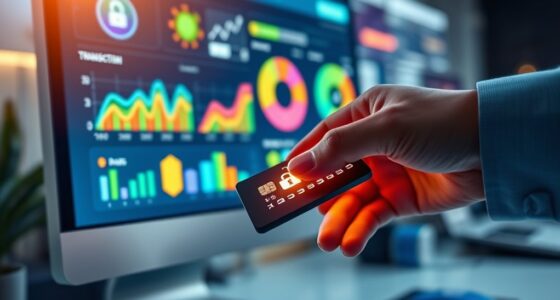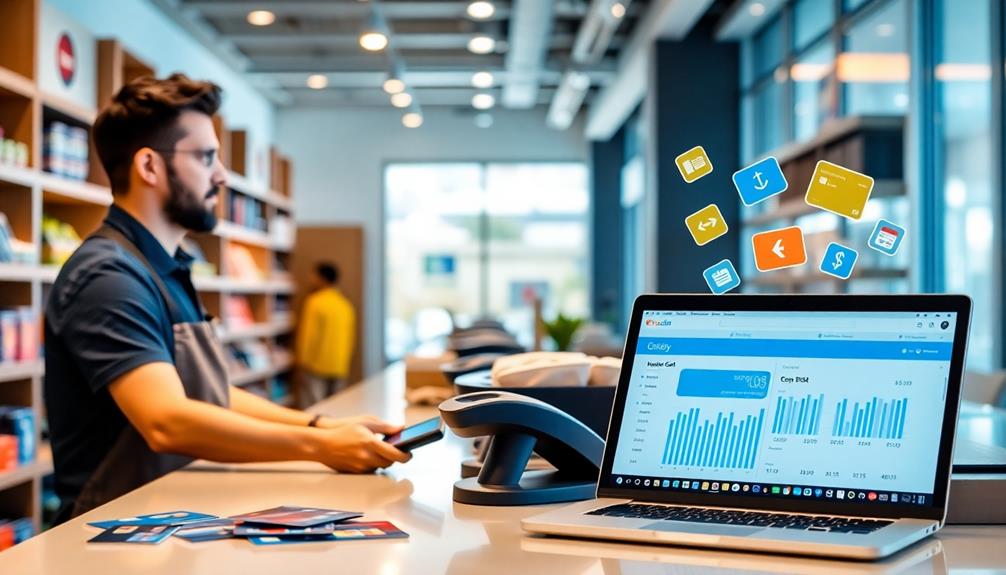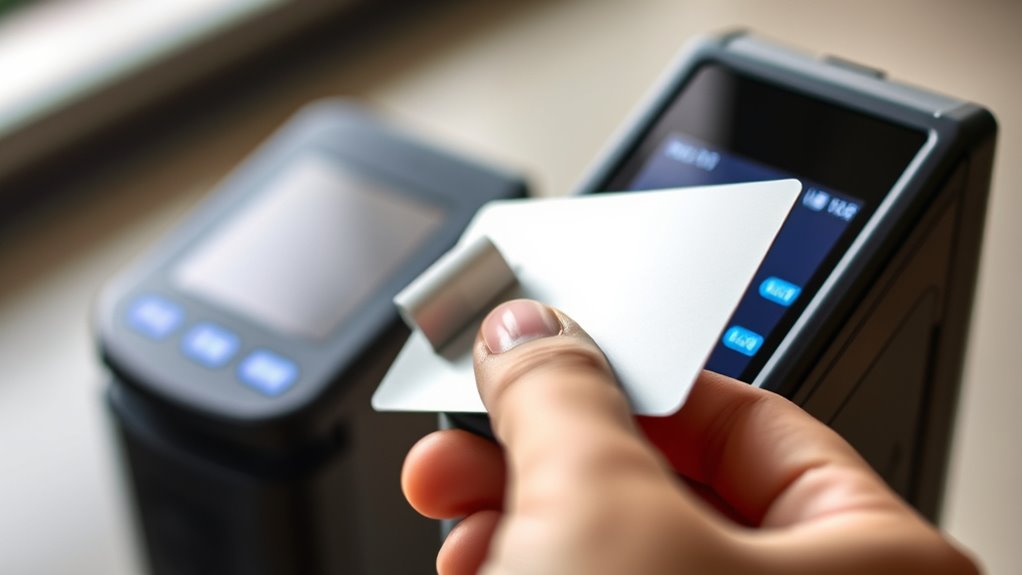
Contactless payments are very safe thanks to advanced security features like encryption, tokenization, and transaction limits. They generate unique codes for each transaction, reducing skimming risks, and often require additional PINs for larger purchases. Banks also monitor transactions in real time, helping to catch suspicious activity early. As security continues to improve through regular updates and assessments, you can feel confident about making quick, contactless payments—if you want to explore more, there’s plenty to uncover.
Key Takeaways
- Contactless payments use encryption and tokenization, making transactions secure and private.
- Transaction limits and additional PIN or signature requirements reduce fraud risks.
- Real-time monitoring and instant account blocking help detect and prevent suspicious activity.
- Minimal data sharing and adherence to privacy standards protect user information.
- Ongoing security updates and ethical hacking strengthen the system against vulnerabilities.

Contactless payments have revolutionized the way you make transactions by allowing you to pay quickly and securely with just a tap of your card or mobile device. This convenience means you can breeze through checkout lines without fumbling for cash or entering PINs, but it also raises questions about safety. Many users wonder how secure contactless payments truly are, especially when it comes to fraud prevention and protecting user privacy. Rest assured, financial institutions and payment networks have implemented robust security measures to keep your transactions safe.
One of the key features of contactless payments is the use of encrypted communication. When you tap your card or device, a unique transaction code is generated, which makes it difficult for hackers to intercept or duplicate your payment data. Unlike traditional card swipes or chip insertions, contactless payments minimize the risk of skimming, a method cybercriminals often use to steal card information. Additionally, most contactless transactions have a limit—typically around $50 to $100—reducing the impact if your card is lost or stolen. For larger purchases, you might be prompted to enter a PIN or sign, adding an extra layer of fraud prevention.
Contactless payments use encrypted codes and limits to enhance security and reduce fraud risk.
User privacy is a common concern with contactless payments, and rightfully so. These systems are designed to protect your personal information by transmitting only the necessary transaction data without revealing sensitive details like your actual card number. Payment providers and banks adhere to strict privacy standards, ensuring that your data isn’t shared or stored insecurely. Many mobile payment apps utilize tokenization, replacing your real card details with a digital token that’s useless to anyone who might intercept it. This process helps maintain your privacy while enabling seamless transactions.
Moreover, contactless payment systems include multiple layers of security checks. If suspicious activity is detected, your bank can flag or block transactions, and you can often freeze your account immediately through your banking app. These measures help prevent fraud before it happens, giving you peace of mind. While no system is entirely invulnerable, the combination of encryption, tokenization, limited transaction amounts, and real-time monitoring makes contactless payments a safe alternative to traditional methods. Additionally, ongoing advancements in ethical hacking practices help identify and fix security vulnerabilities, further enhancing system safety.

SaiTech IT 5 Pack RFID Blocking Card, One Card Protects Entire Wallet Purse, NFC Contactless Bank Debit Credit Card Protector ID ATM Guard Card Blocker–(Black)
SECURE YOUR WALLET FROM e-PICKPOCKETING: Prevent potential identity and financial theft through your contactless cards. Don’t become a…
As an affiliate, we earn on qualifying purchases.
As an affiliate, we earn on qualifying purchases.
Frequently Asked Questions
Can Contactless Payments Be Hacked Remotely?
Yes, contactless payments can be hacked remotely, but it’s unlikely if you use encrypted communication and tokenization technology. These security features scramble your data, making it difficult for hackers to steal your information. When you pay, your device creates a one-time token instead of sharing your actual card details. As long as you keep your device secure and update your software, you reduce the risk of remote hacking considerably.
Are Contactless Payment Devices Susceptible to Skimming?
A penny saved is a penny earned, so stay vigilant. Contactless payment devices can be susceptible to skimming vulnerabilities, especially if security measures aren’t robust. Thieves may attempt to intercept data, but strong data encryption considerably reduces this risk. Always use trusted terminals and monitor your transactions regularly. While no system is completely foolproof, understanding these risks helps you protect your financial information effectively.
How Often Are Contactless Payment Systems Audited for Security?
You should know that contactless payment systems are usually audited regularly, often at least once a year, to guarantee security. During these audits, experts review fraud detection measures and encryption protocols to identify vulnerabilities. These proactive checks help protect your transactions from skimming and hacking. Banks and payment providers prioritize these audits to keep your information safe, so you can use contactless payments with confidence.
What Are the Risks of Lost or Stolen Contactless Cards?
Imagine reaching into your pocket and realizing your contactless card is missing—this is a common risk of lost or stolen cards. Card theft can lead to unauthorized transactions, but strong fraud prevention measures help minimize damage. To protect yourself, regularly monitor your account activity, set transaction alerts, and report suspicious activity immediately. Staying vigilant ensures you’re better prepared against potential fraud if your contactless card falls into the wrong hands.
Do Contactless Payments Protect User Biometric Data?
Yes, contactless payments protect your biometric data through biometric encryption, ensuring your fingerprint or facial data isn’t stored directly on the device or payment terminal. Instead, it’s encrypted and used for authentication, safeguarding your data privacy. This means your biometric information remains secure and isn’t vulnerable to theft or misuse, giving you peace of mind when making quick, contactless transactions.

Square Terminal – Credit Card Machine to Accept All Payments | Mobile POS
With Square Terminal, you can ring up sales, accept payments, and print receipts, all with one device. Use…
As an affiliate, we earn on qualifying purchases.
As an affiliate, we earn on qualifying purchases.
Conclusion
While contactless payments are convenient, it’s natural to wonder about their safety. The good news is that fraud rates are extremely low—less than 0.01% of transactions—making them a secure choice for most users. With features like encryption and transaction limits, you can enjoy the ease of tap-and-go without much worry. Just remember to keep an eye on your devices and report any suspicious activity promptly. Overall, contactless payments are a safe and smart way to pay.

RUNBOX Wallet for Men – Slim Rfid Leather Bifold 2 ID Window With Gift Box Men's Accessories
Slim and Thin Wallet – This minimalist bifold wallet measures 4.3×3.2×0.6 inches and stores up to 15 cards….
As an affiliate, we earn on qualifying purchases.
As an affiliate, we earn on qualifying purchases.

WHonor RFID Blocking Card 2 Pack, Bank Debit Credit Card Protector, Anti-Theft Contactless NFC Blocker, Entire Wallet Protection (2)
Secure Your Information: Simply insert the RFID blocking card into your wallet to protect against digital pickpocketing. Block…
As an affiliate, we earn on qualifying purchases.
As an affiliate, we earn on qualifying purchases.