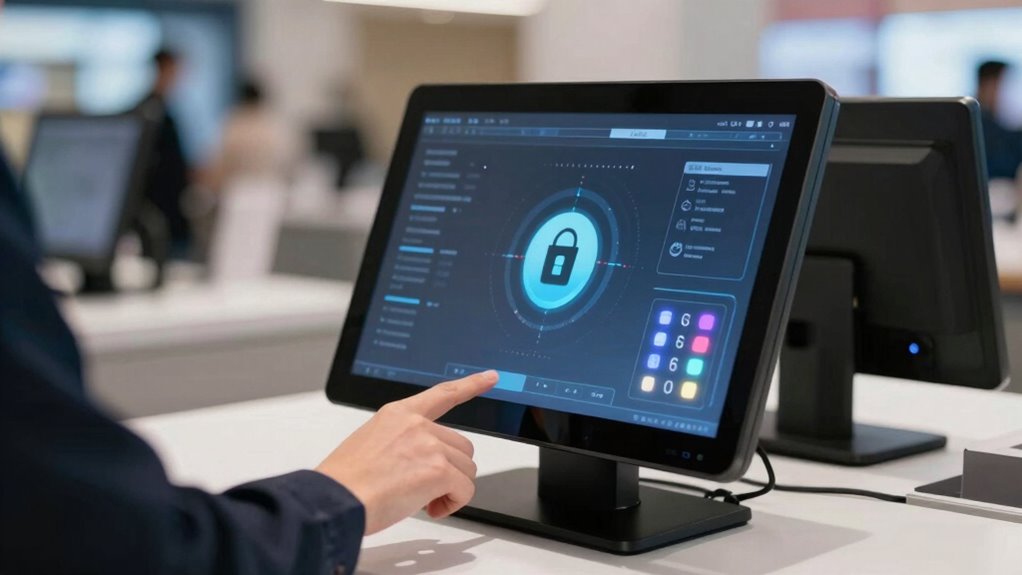

Risk-based authentication shapes modern checkouts by analyzing your behavior in real time to assess security risks. It looks at signals like your device, location, browsing patterns, and time of day to decide if you can proceed smoothly or need extra verification. This approach helps you enjoy a seamless experience during trusted transactions while adding layers of security when something seems unusual. If you keep exploring, you’ll discover how this technology continues to evolve and protect you.

Get business pricing on office and shipping supplies
- Business-only prices and quantity discounts
- Tax-exempt purchasing
- Multiple users, one account, clear invoices
Key Takeaways
- Enhances security by analyzing user behavior and signals to detect suspicious activities during checkout.
- Balances convenience and safety by adjusting authentication steps based on perceived risk levels.
- Uses real-time risk assessment to prevent fraud before completing transactions.
- Implements adaptive security measures, reducing friction for trusted users and increasing verification for high-risk actions.
- Continuously improves detection accuracy through behavioral data, ensuring more reliable protection over time.
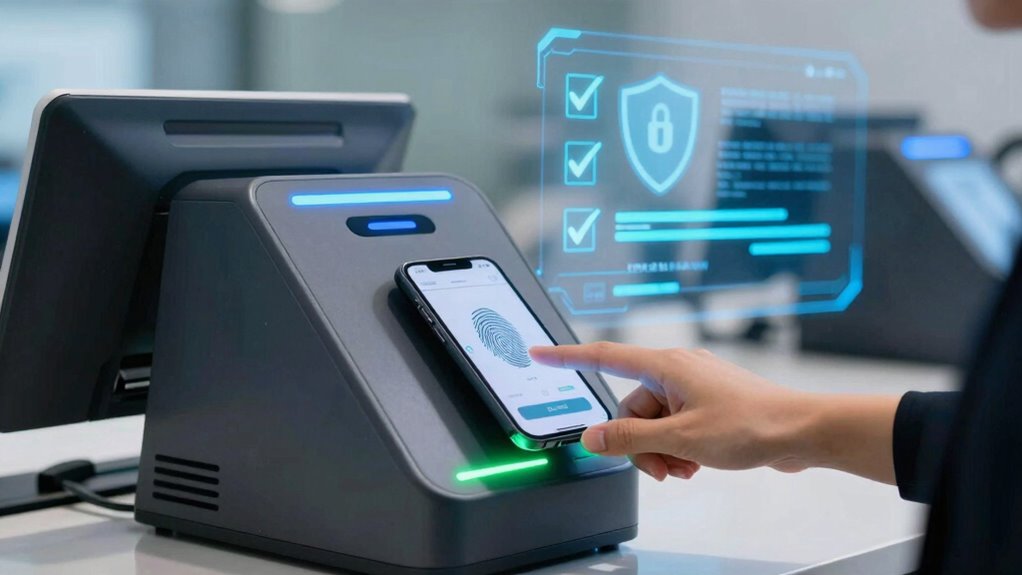
Have you ever wondered how online services decide whether to trust your login attempt? It’s a complex process that relies heavily on risk-based authentication. Instead of applying a one-size-fits-all approach, these systems analyze your behavior to determine the likelihood that you’re truly you. They look at various signals—your device, location, browsing patterns, and even the time of day—to evaluate risk levels in real-time. If something seems off, the system might ask for additional verification, like a fingerprint or a one-time code. This dynamic process helps strike a balance between security and user convenience. Incorporating transaction monitoring/security measures further enhances this adaptive security, allowing systems to detect suspicious activities across your entire account activity. Behavior analysis plays an essential role in this strategy. When you log in, the system observes your typical behavior—how you navigate the site, the speed of your actions, and the types of devices you use. If your activity matches your usual pattern, the system grants access seamlessly. But if it detects anomalies—say, a login from a different country or an unfamiliar device—it flags the attempt as higher risk. This intelligent analysis enables the system to respond appropriately, either by prompting extra verification steps or blocking suspicious activity altogether. It’s a proactive way to prevent fraud before it can cause damage. Fraud prevention is at the heart of risk-based authentication. Traditional methods, like static passwords, are increasingly vulnerable, especially with the rise of sophisticated cyber threats. By continuously evaluating risk, these systems can identify potential fraud in real-time detection. For example, if someone tries to access your account using stolen credentials from an unknown location or device, the system recognizes these signs and intervenes. This might mean requesting multi-factor authentication or temporarily locking the account. Such measures help protect your personal information and keep your transactions secure, without inconveniencing you unnecessarily when everything appears normal. This adaptive approach to security transforms the checkout experience. Instead of forcing every user through rigid security checks, it adjusts based on the context. You might log in effortlessly during regular hours from a familiar device, but when making high-value transactions or logging in from a new location, additional layers kick in. This ensures that security measures are proportionate to the perceived risk, making online shopping safer without sacrificing ease of use. As a result, you get a smoother, more personalized checkout process that adapts to your behavior and the potential threats around you. In essence, risk-based authentication leverages behavior analysis to create smarter, more effective fraud prevention. It helps online services differentiate between genuine users and potential threats, making your digital transactions both secure and convenient. Moreover, understanding behavioral signals is crucial for refining these systems and improving their accuracy over time. Recognizing the importance of vetted information ensures that the adaptive security measures are based on reliable data, further enhancing the effectiveness of risk assessments.
multi-factor authentication devices
As an affiliate, we earn on qualifying purchases.
As an affiliate, we earn on qualifying purchases.
Frequently Asked Questions
How Does Risk-Based Authentication Impact User Experience?
Risk-based authentication improves your user experience by balancing security and convenience. It adapts to your behavior, minimizing friction during trusted transactions, which boosts your trust in the platform. When potential risks are detected, it prompts for additional verification, helping prevent fraud without disrupting smooth checkouts. This dynamic approach guarantees you feel secure while enjoying seamless shopping, strengthening your confidence and satisfaction with the service.
What Industries Benefit Most From Risk-Based Authentication?
Imagine a fortress guarding your valuables—that’s how industries like banking, e-commerce, and healthcare benefit from risk-based authentication. You prevent fraud and guarantee accurate identity verification by adapting security measures to each transaction’s risk level. This targeted approach keeps intruders out while allowing legitimate users seamless access. These industries see reduced fraud, increased trust, and smoother customer experiences, making risk-based authentication essential to their success.
Are There Privacy Concerns With Risk-Based Authentication?
Yes, there are privacy concerns with risk-based authentication. You might worry about how your user data is collected, stored, and used, especially since this method analyzes behavioral patterns and device information. While it enhances security, it’s important to make sure your data is protected and handled responsibly. Transparency from businesses about data usage helps ease privacy concerns, giving you confidence that your information isn’t misused.
How Does Risk-Based Authentication Integrate With Existing Systems?
Think of risk-based authentication as a puzzle piece fitting seamlessly into your existing system. You integrate it by connecting behavior analysis tools and fraud prevention measures, creating a smarter security net. It works with your current infrastructure without causing a storm, adjusting dynamically based on user behavior and transaction risk. This way, you enhance security while maintaining a smooth checkout experience, making fraud prevention feel like second nature.
What Are the Limitations of Risk-Based Authentication?
You might find that risk-based authentication has limitations, especially in fraud detection. It can sometimes produce false positives, blocking legitimate users and causing frustration. Additionally, sophisticated fraudsters can adapt to these systems, reducing their effectiveness. You should also consider that implementing this approach requires constant updates and monitoring, which can be resource-intensive. Overall, while helpful, it shouldn’t be solely relied upon for thorough security.
As an affiliate, we earn on qualifying purchases.
Conclusion
Risk-based authentication isn’t just a feature; it’s the superhero guarding your checkout, ensuring your data stays safe from even the sneakiest cyber villains. By intelligently evaluating risks in real-time, it transforms the checkout experience into a fortress of security — faster, smarter, and nearly invisible to you. As cyber threats multiply like wildfire, this technology is your ultimate shield, making breaches feel like a distant nightmare. Embrace it, and shop confidently in the digital age!
risk-based authentication software
As an affiliate, we earn on qualifying purchases.
As an affiliate, we earn on qualifying purchases.
one-time password hardware token
As an affiliate, we earn on qualifying purchases.
As an affiliate, we earn on qualifying purchases.
Fall Picks
fall essentials
As an affiliate, we earn on qualifying purchases.