📊 Full opportunity report: How Consistent Tracking Can Inform Youth Pitching Workloads on IdeaNavigator AI — validation score, market gap, and execution plan.

Get business pricing on office and shipping supplies
- Business-only prices and quantity discounts
- Tax-exempt purchasing
- Multiple users, one account, clear invoices
TL;DR
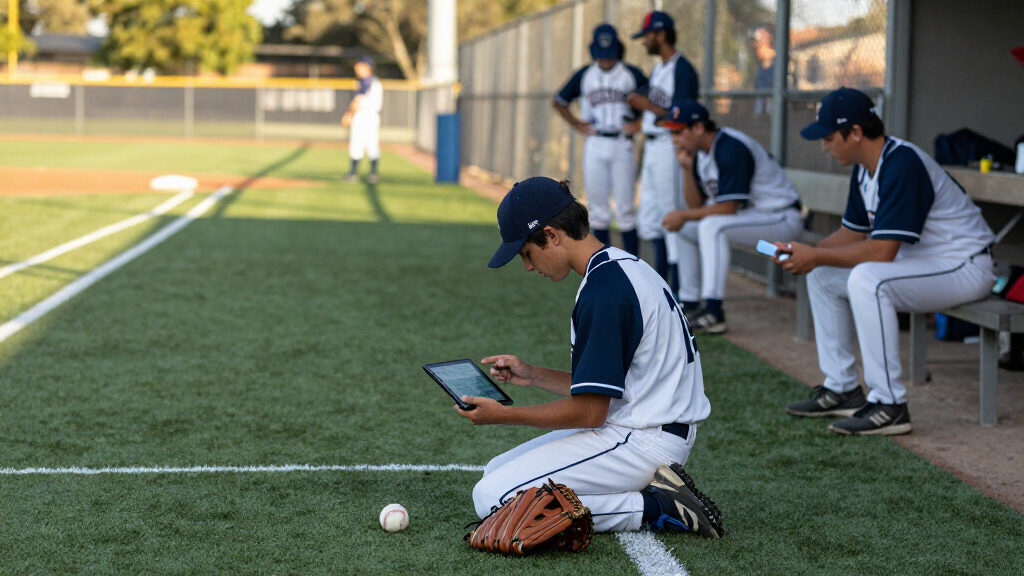
A proposed workload-tracking app would let parents log or import a young pitcher’s outings across school, travel and showcase teams, then compare rolling workload with age-based guidance. The concept has not been validated: a suggested pilot would recruit 200 travel-ball families and measure logging consistency and whether alerts change rest decisions.
IdeaNavigator AI has proposed a parent-focused app to track young pitchers’ workload across school, travel and showcase teams, where outings may not be recorded in one shared system. The concept is intended to help families see cumulative pitching activity and discuss rest, but no product launch, study results or evidence of injury reduction is reported.
According to IdeaNavigator AI’s proposal, the app would let parents log outings quickly or import them from GameChanger. It would combine activity across teams, compare rolling workload with age-based guidelines, flag thresholds, help schedule rest and produce a report that parents could share with coaches. The proposal does not specify which workload measures or threshold rules would be used.
IdeaNavigator AI identifies the initial buyer as parents of pitchers playing across multiple seasons and teams. It suggests a family annual subscription, with possible expansion to team licenses. These are proposed business models, not evidence that families or teams have agreed to pay.
IdeaNavigator AI’s suggested validation plan is to recruit 200 travel-ball families, then track logging consistency over a season and audit whether alerts changed rest decisions. The proposal reports no recruitment, trial period, results or independent evaluation. It therefore describes a testable product idea, not a proven health intervention.
IdeaNavigator AI’s proposal argues that a combined record could help families and coaches see activity otherwise divided among school, travel and showcase schedules. If information is missing from any team, a parent may not have a complete view of how often a player has pitched or how much rest has followed. A shared report could give adults a common starting point for discussing workload.
That potential depends on reliable entries, useful measures and adults acting on the information. An app can flag a threshold, but it cannot itself control a player’s appearances or guarantee that coaches follow a rest plan. The proposal’s suggested pilot focuses on logging consistency and changes to rest decisions, addressing two practical questions; it would not by itself establish that the tool prevents injuries.
Products Worth Considering

LG UltraGear 32GS60QC-B 32-inch Curved QHD Gaming Monitor (180Hz, 1ms, 1000R, AMD FreeSync, HDR10)

LG UltraFine 32-Inch 4K UHD Monitor

LG 27UP850K-W 27-inch 4K UHD IPS Monitor
As an affiliate, we earn on qualifying purchases.
Guidelines Meet Fragmented Schedules
IdeaNavigator AI’s proposal points to Pitch Smart as an existing source of age-based pitching guidance, while arguing that a young player’s schedule may span organizations that do not share records. The proposal also says youth elbow-surgery rates are climbing as travel baseball expands and that injuries involving the ulnar collateral ligament, or UCL, are appearing in high school. It supplies no figures, time period or supporting studies for those claims, so they should not be treated as quantified findings.
As described by IdeaNavigator AI, the suggested product would put a record-keeping layer across those separate schedules rather than replace guidance or clinical judgment. Its proposed features include workload tracking, threshold alerts, rest planning and coach-facing reports. Whether parents can collect complete information, and whether those features fit different teams’ practices, remains to be tested.
Key Questions Before a Trial
IdeaNavigator AI reports no trial findings and does not identify a launched app, participating families, coaches or medical partners. Its proposal also does not define the age-based thresholds, explain how it would handle incomplete or conflicting records, or say whether data would be verified by teams.
The suggested 200-family test could assess whether users keep logging and whether alerts affect rest choices, but the proposal gives no method for comparing injury outcomes or establishing that changes in rest were caused by the app. It is also unclear how the product would address privacy and consent for minors’ health-related activity data, or what would happen when coaches disagree with a flag.
Testing Use and Rest Decisions
IdeaNavigator AI identifies recruiting 200 travel-ball families for a season-long validation effort as the next proposed step. The suggested measures are whether families log outings consistently and whether workload flags change rest decisions. The proposal provides no start date, recruitment details or publication timeline.
For the idea to move beyond a proposal, a test would need to explain how workload is calculated, how age-based guidance is applied and how missing records are handled. Reporting those methods alongside results would help families and coaches judge whether the app offers a dependable shared record. Until such evidence is available, the concept should be understood as a product proposal rather than a demonstrated way to reduce pitching injuries.
Source: IdeaNavigator AI
Key Questions
What would the proposed app track?
IdeaNavigator AI’s proposal says it would combine a young pitcher’s outings across teams, using parent entries or a proposed import from GameChanger, and compare rolling workload with age-based guidelines.
Has the app been launched or tested?
IdeaNavigator AI reports no launch or test results. Its proposal recommends a pilot with 200 travel-ball families, but does not say that recruitment has begun.
Would the tracker prevent arm injuries?
That has not been established. The pilot proposed by IdeaNavigator AI would examine logging consistency and whether alerts change rest decisions, not demonstrate that the app reduces injuries.
Who is the proposed product for?
IdeaNavigator AI identifies the initial customer as a parent whose child pitches across school, travel and showcase seasons. It proposes a family subscription, with team licensing as a possible later option.
Source: IdeaNavigator AI