
TL;DR

Get business pricing on office and shipping supplies
- Business-only prices and quantity discounts
- Tax-exempt purchasing
- Multiple users, one account, clear invoices
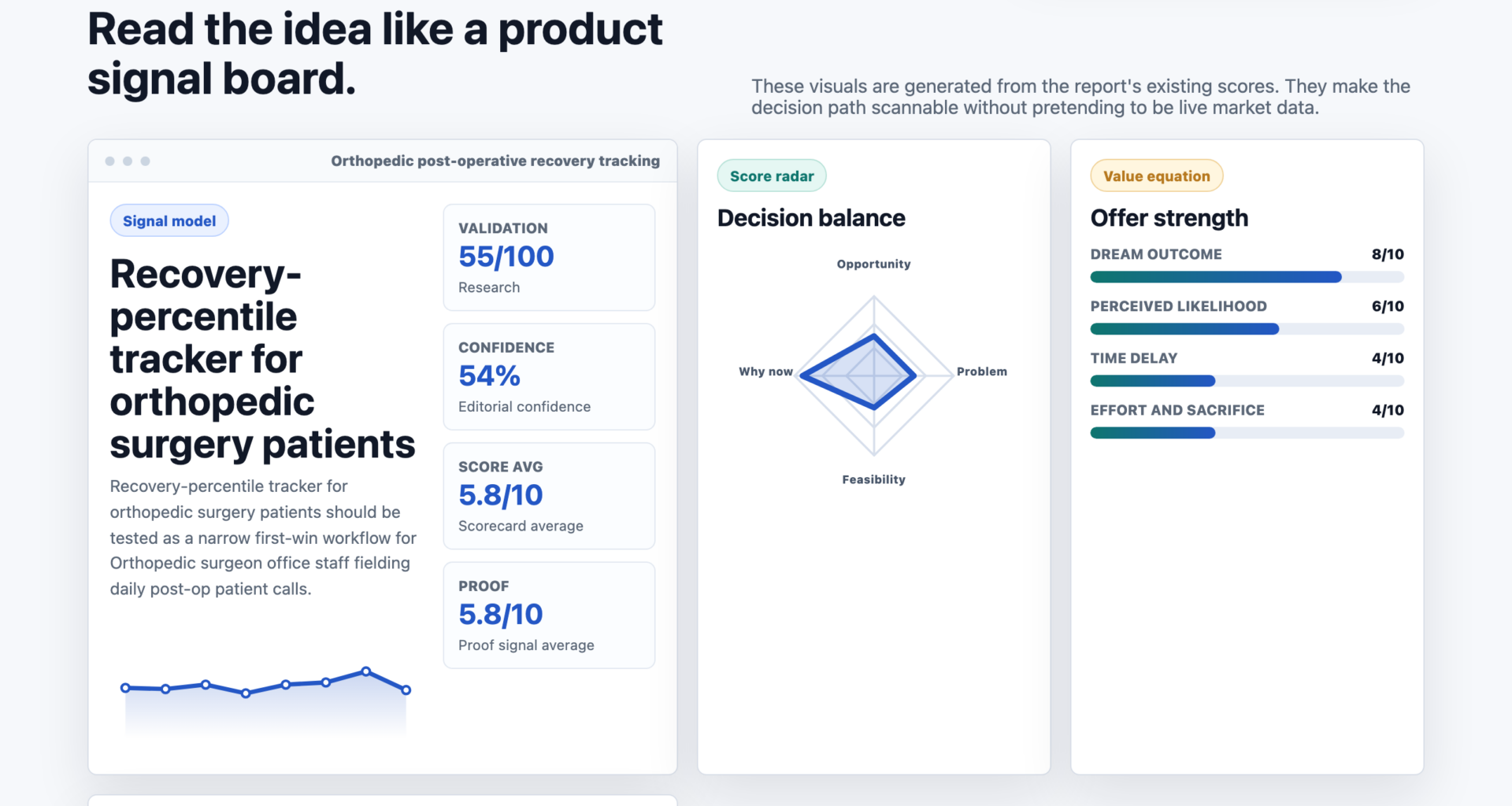
A recovery percentile tracker for orthopedic surgery patients is being tested as a tool to help office staff monitor patient progress objectively. Early validation involves a small pilot to assess if it reduces post-op calls. This innovation could streamline post-surgical care and improve patient reassurance.
A recovery percentile tracker for orthopedic surgery patients is being piloted to help office staff monitor patient progress objectively and reduce post-operative call volume. This tool, designed for outpatient procedures like knee replacements, plots patient-reported pain, swelling, and mobility data against anonymized recovery curves. Early testing aims to validate whether it can decrease unnecessary patient calls and improve reassurance.
The tracker allows patients to log daily symptoms such as pain levels, range of motion, and walking milestones following surgery. These data points are then displayed as a percentile compared to anonymized recovery curves for the same procedure, providing an objective benchmark for both patients and staff.
The initiative is currently in a pilot phase, involving one orthopedic practice with 15 knee replacement patients who log their recovery data daily over two weeks. The goal is to determine if this approach reduces the number of ‘is this normal?’ calls compared to a control group without the tracker.
According to the developers, this system is intended as a minimal viable product (MVP) to test whether an objective, data-driven approach can improve post-op care efficiency and patient satisfaction, especially as outpatient orthopedic procedures increase and staff resources remain limited.
Potential Impact on Post-Operative Patient Management
If successful, the recovery percentile tracker could significantly reduce the volume of post-surgical calls, easing the workload for office staff and allowing more focused patient care. It also offers patients a clearer understanding of their recovery progress, potentially decreasing anxiety and unnecessary hospital visits.
By providing an objective benchmark, the tracker could standardize post-op assessments, making patient communication more data-driven and less reliant on subjective judgment. This could lead to better resource allocation and improved overall outcomes in orthopedic recovery management.
As an affiliate, we earn on qualifying purchases.
Rising Outpatient Procedures and Staffing Challenges Drive Innovation
The rise in outpatient orthopedic surgeries, such as knee and hip replacements, has increased the demand for efficient post-operative monitoring. Many practices face staffing shortages, making it difficult to provide personalized follow-up for every patient.
Currently, patients often call offices with concerns about pain, swelling, or stiffness, with staff lacking objective data to reassure or escalate care. This has led to high call volumes and potential delays in addressing serious complications.
The concept of a recovery percentile tracker is part of a broader effort to leverage digital health tools to improve outpatient care, streamline workflows, and enhance patient reassurance through real-time, data-backed insights.
“This tool could transform how we manage post-op recovery by providing objective, comparable data for each patient.”
— an anonymous researcher
post-surgery pain monitoring device
As an affiliate, we earn on qualifying purchases.
As an affiliate, we earn on qualifying purchases.
Uncertainties About Long-Term Effectiveness and Adoption
It is still unclear whether the tracker will consistently reduce post-op calls across diverse patient populations or if patients will reliably interpret their data without additional guidance. The pilot phase is limited in scope, and broader validation is needed to confirm its effectiveness and usability in routine practice.
Further, questions remain about integration with existing electronic health record systems and how patients will respond to daily self-reporting over extended periods.
As an affiliate, we earn on qualifying purchases.
Next Steps in Validation and Broader Implementation
The current pilot will run for several weeks, with data collection focused on call volume reduction and patient satisfaction. If results are promising, plans include expanding the trial to additional practices and procedures.
Developers aim to refine the platform based on user feedback, explore integration with existing health IT systems, and prepare for wider commercialization and adoption in outpatient orthopedic care settings.
mobility tracking device for surgery
As an affiliate, we earn on qualifying purchases.
As an affiliate, we earn on qualifying purchases.
Key Questions
How does the recovery percentile tracker work?
Patients log daily data such as pain, swelling, and mobility, which are then plotted as a percentile against anonymized recovery curves for the same procedure, providing an objective benchmark of recovery progress.
Will this tool replace in-person follow-up visits?
No, it is designed to supplement clinical assessments by providing ongoing, objective data that can help identify when in-person care is needed, potentially reducing unnecessary visits.
Is the recovery percentile tracker suitable for all orthopedic procedures?
Currently, the focus is on procedures like knee replacements, but future development may adapt the tool for other surgeries based on validation results.
What are the benefits for patients?
Patients can better understand their recovery progress, reduce anxiety about normal symptoms, and potentially avoid unnecessary calls or visits by receiving reassurance based on objective data.
When will the tracker be widely available?
Widespread adoption depends on the outcomes of ongoing pilot studies and validation efforts. If successful, broader implementation could occur within the next year or two.
Source: IdeaNavigator AI
Halloween Picks
halloween
As an affiliate, we earn on qualifying purchases.