
You need different payment systems for hotels, restaurants, and retail because each industry has unique operational needs and customer expectations. Hotels focus on loyalty programs and personalized experiences, while retail prioritizes speed and contactless transactions. Restaurants require quick check splits and tips handling for fast service. Using tailored payment logic guarantees efficiency and customer satisfaction. Want to understand how customizing your payment approach can boost your business? Keep exploring to discover more.

Get business pricing on office and shipping supplies
- Business-only prices and quantity discounts
- Tax-exempt purchasing
- Multiple users, one account, clear invoices
Key Takeaways
- Different industries have unique operational workflows requiring tailored payment processes.
- Customer expectations vary, such as loyalty in hospitality versus speed in retail.
- Payment features like split bills and tipping are critical for restaurants but less so for retail.
- Contactless and fast transactions are prioritized in retail, while personalization is vital in hospitality.
- Aligning payment logic with industry-specific needs enhances efficiency and customer satisfaction.
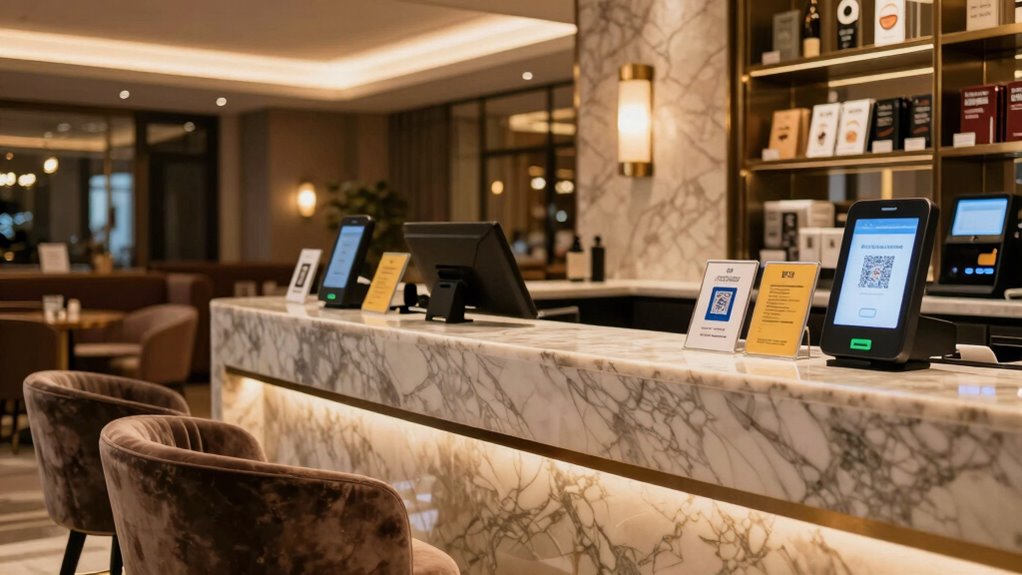
When it comes to payments in the hospitality and retail sectors, understanding that each industry operates on a different logic can save you time and frustration. You can’t approach a hotel, restaurant, or retail store with a one-size-fits-all payment system because each has unique needs and customer expectations. For instance, in the hospitality industry, loyalty programs are a critical part of payment strategies. Guests often return because they value rewards or discounts, so integrating loyalty points seamlessly into the payment process encourages repeat business. A hotel might link a guest’s stay to their loyalty account, allowing points to be earned and redeemed effortlessly during checkout. This creates a smooth experience that emphasizes convenience and personalization, which is vital in hospitality.
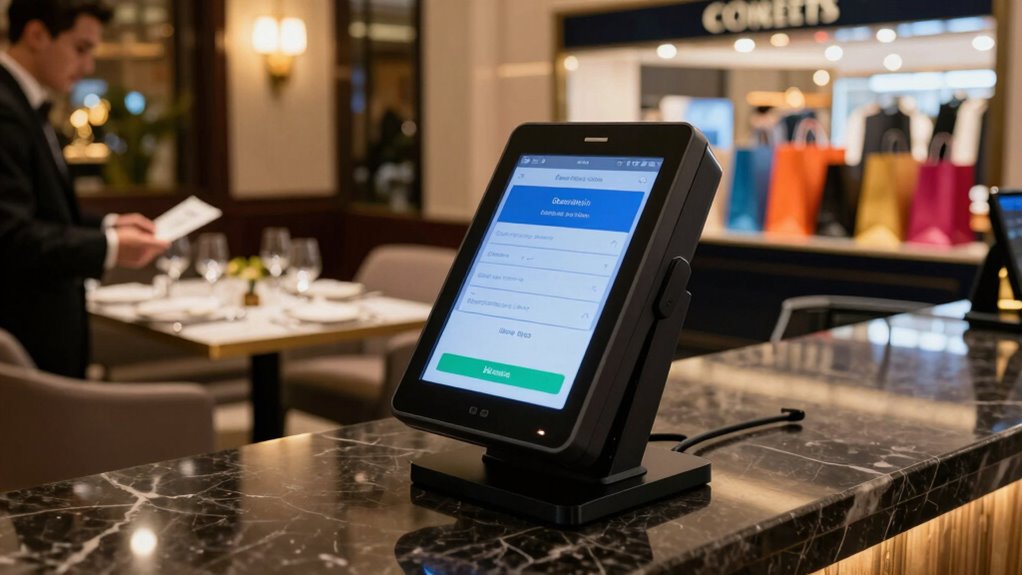
In retail, contactless technology has become a game-changer. Shoppers expect quick, secure transactions without fumbling with cash or cards. Contactless payments—like tap-and-go cards or mobile wallets—speed up the checkout process and reduce lines. Retailers who adopt contactless solutions improve customer satisfaction and stay competitive. These payment methods also reduce physical contact, aligning with health-conscious consumer behaviors. In contrast, restaurants often require a different approach. While many are adopting contactless payment options, they also need to consider split bills, tips, and quick table turns. Restaurants benefit from integrated POS systems that allow for easy splitting of checks and swift payment processing, keeping tables turning and customers happy.
The logic behind these differences stems from customer behavior and operational priorities. Hotels focus on creating loyalty and personalized experiences, so their payment systems must integrate loyalty programs seamlessly. Retailers prioritize speed and convenience, making contactless technology essential. Restaurants aim for efficiency and service quality, so their systems need to handle multiple payments swiftly while accommodating tips. Understanding these nuances helps you customize your payment solutions appropriately. It’s not merely about accepting credit cards but about aligning the technology with the specific needs of each industry. By doing so, you improve operational efficiency and enhance customer satisfaction, ultimately driving loyalty and repeat business across all sectors. Recognizing that each industry’s payment logic is distinct empowers you to choose the right tools, whether it’s integrating loyalty programs in hotels, deploying contactless tech in retail, or streamlining split bills in restaurants.
hotel loyalty program payment integration
As an affiliate, we earn on qualifying purchases.
As an affiliate, we earn on qualifying purchases.
Frequently Asked Questions
How Do Loyalty Programs Influence Payment Processing in Each Sector?
Loyalty programs influence payment processing by requiring seamless loyalty integration to track customer activity accurately. In hotels, you might earn points for stays; in restaurants, for meals; and in retail, for purchases. This boosts customer retention across sectors. You need tailored payment logic to handle these different rewards, ensuring smooth transactions that reward loyalty without disrupting the customer experience. This sector-specific approach keeps customers engaged and encourages repeat business.
What Security Challenges Are Unique to Each Industry’s Payment Systems?
You face unique security challenges in each industry’s payment systems. For instance, hotels see a 30% rise in fraud attempts, making fraud detection essential. Restaurants often handle sensitive card data on open networks, demanding robust data encryption. Retailers deal with high-volume transactions, increasing vulnerability to data breaches. Tailoring fraud detection methods and strengthening data encryption for each sector helps protect customer data and maintain trust in your payment systems.
How Do Seasonal Fluctuations Affect Payment Methods in These Industries?
Seasonal trends greatly influence payment methods in these industries. During peak seasons, you’ll notice increased payment volume, prompting you to optimize payment timing for efficiency and security. For example, hotels may require quick check-in payments, while retail stores handle high transaction volumes during holidays. Adjusting payment timing ensures smoother operations, reduces fraud risks, and improves customer experience, making it vital to tailor your payment approach to seasonal fluctuations.
What Role Does Mobile Payment Adoption Play Across Hotels, Restaurants, and Retail?
You see mobile payment adoption enhances mobile convenience and transaction speed across hotels, restaurants, and retail. In hotels, quick mobile check-ins streamline guest experiences. Restaurants benefit from fast, contactless payments, improving table turnover. Retailers see increased sales with seamless mobile checkout options. By embracing mobile payments, you cater to customer preferences for convenience, reduce wait times, and boost overall satisfaction, making your business more competitive and responsive to evolving payment trends.
How Do Regulatory Requirements Differ for Payments in Each Industry?
You’ll find that regulatory requirements differ across industries, impacting your pricing strategies and customer segmentation. Hotels face stricter data privacy rules, affecting how you handle guest information. Restaurants must comply with health and safety regulations, influencing transaction processes. Retailers navigate different consumer protection laws, shaping discount policies. Understanding these variations helps you tailor your payment systems effectively, ensuring compliance while optimizing customer segmentation and pricing strategies for each industry.
contactless payment terminals for retail
As an affiliate, we earn on qualifying purchases.
As an affiliate, we earn on qualifying purchases.
Conclusion
Understanding that hotel, restaurant, and retail payments each require different logic is vital for seamless transactions. Did you know that over 70% of consumers prefer tailored payment options depending on the context? By adapting payment processes to match these unique needs, you can enhance customer satisfaction and reduce errors. Embracing this differentiation isn’t just smart—it’s essential for staying competitive and ensuring smooth operations in today’s diverse commerce landscape.
restaurant POS systems with split bill and tip features
As an affiliate, we earn on qualifying purchases.
As an affiliate, we earn on qualifying purchases.
mobile wallet contactless payment devices
As an affiliate, we earn on qualifying purchases.
As an affiliate, we earn on qualifying purchases.
Halloween Picks
halloween
As an affiliate, we earn on qualifying purchases.