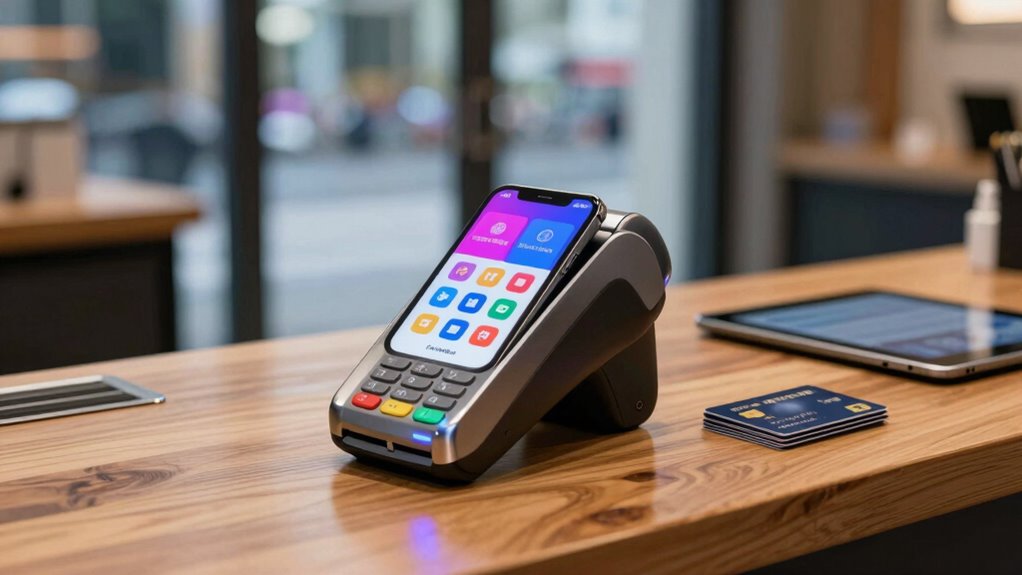

Open Banking allows you to access real-time data, making your payment options faster and more secure. You can incorporate bank transfers alongside traditional methods, reducing fees and boosting transaction speed. It also helps you analyze customer behavior to tailor payment choices and improve conversion rates. By leveraging these insights, you can create a more flexible, cost-effective payment mix that meets customer preferences. Keep exploring to see how this approach can transform your merchant strategy.

Get business pricing on office and shipping supplies
- Business-only prices and quantity discounts
- Tax-exempt purchasing
- Multiple users, one account, clear invoices
Key Takeaways
- Open Banking enables real-time data access, allowing merchants to tailor payment options based on customer preferences and behavior.
- It facilitates faster, more secure authentication, encouraging adoption of alternative payment methods like bank transfers.
- Merchants can optimize their payment mix by analyzing transaction insights to reduce costs and improve conversion rates.
- Diversification with bank transfer payments offers cost-effective, quicker settlement options, reshaping traditional reliance on card payments.
- Enhanced data-driven strategies through Open Banking support dynamic adjustments for high-traffic periods and customer segments.
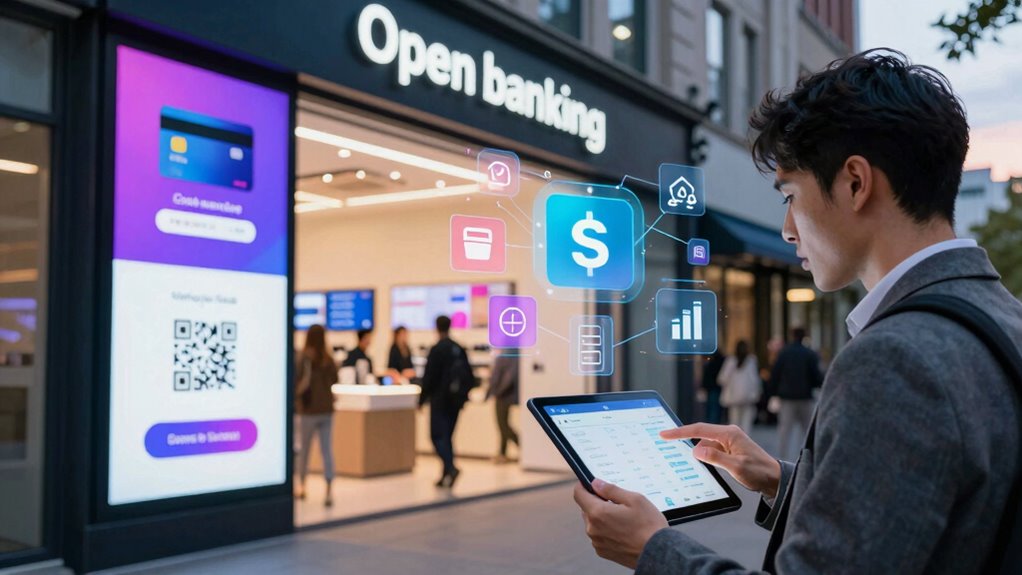
Open banking is transforming how merchants process payments by granting them secure access to customer financial data and new payment opportunities. This revolution in financial technology enables you to leverage real-time data, making transactions faster and more reliable. This regional flavor can influence customer preferences for different payment methods, encouraging merchants to adapt accordingly. When customers authorize payments through open banking platforms, you gain immediate access to their latest account information, which helps you verify funds instantly. This real-time data not only accelerates the checkout process but also reduces the risk of fraud, as you can see the most current account status before completing a transaction.
Open banking enables faster, more secure transactions with real-time access to customer account data.
Customer authentication becomes more seamless and secure with open banking. Instead of relying on traditional card-based methods, you now authenticate customers directly through their banking apps or platforms. This often involves multi-factor authentication, which verifies the customer’s identity with their bank securely in the background. As a result, you can confidently process payments, knowing that the customer is legitimate. This process not only enhances security but also improves the customer experience, as it minimizes friction during checkout. Customers appreciate quick, straightforward authentication that doesn’t require remembering multiple passwords or filling out lengthy forms.
With open banking, you’re empowered to diversify your payment mix. Traditional payment methods like credit cards are still important, but you can now incorporate new options like bank transfer payments, which are often cheaper and faster. These methods leverage the customer’s existing bank accounts, reducing transaction fees and settlement times. These payment methods are increasingly popular among consumers seeking more cost-effective and efficient options. As you analyze transaction data, you’ll notice that customers prefer certain payment types depending on their context, location, or device. Open banking gives you the tools to adapt your payment options dynamically, aligning your offerings with customer preferences and behaviors. Additionally, open banking’s ability to provide secure data sharing enhances your confidence in these new payment options. Leveraging data-driven insights from these transactions allows you to refine your strategies and improve overall efficiency.
Furthermore, open banking allows you to gather richer insights into customer habits, helping you optimize your payment strategies. By analyzing real-time data streams, you can identify patterns, preferences, and potential issues immediately. This insight enables you to tailor your payment mix, perhaps emphasizing certain methods during high-traffic periods or for specific customer segments. Over time, this data-driven approach can lead to higher conversion rates, lower abandonment, and improved overall customer satisfaction. Investing in content quality and topical authority can further enhance your strategy by ensuring your payment options and messaging remain relevant and trustworthy.
As an affiliate, we earn on qualifying purchases.
Frequently Asked Questions
How Does Open Banking Improve Payment Security for Merchants?
Open Banking improves your payment security by enhancing customer authentication, making it harder for fraudsters to access sensitive data. You benefit from real-time verification processes that reduce the risk of fraudulent transactions. With stronger fraud prevention measures, you gain confidence that payments are legitimate, protecting your business from financial losses. Overall, Open Banking’s secure authentication methods help you create a safer, more trustworthy payment environment for both you and your customers.
What Are the Legal Considerations for Implementing Open Banking Payments?
Did you know that over 70% of consumers prioritize data privacy when choosing payment options? When implementing open banking payments, you must ensure regulatory compliance by adhering to data protection laws and financial regulations. Consumer consent is essential; you need explicit permission before accessing their financial data. Failing to meet legal standards can lead to hefty fines and reputational damage, so it’s critical to stay informed and compliant with evolving regulations.
How Does Open Banking Impact Transaction Fees for Merchants?
Open banking can lower transaction fees for merchants by enabling alternative payment methods that bypass traditional card networks. These payments often have reduced costs, saving you money. Additionally, open banking enhances customer verification, reducing fraud risks and chargebacks. As a merchant, you’ll benefit from more efficient, cost-effective transactions, giving you flexibility to choose payment options that optimize your payment mix and improve customer experience.
Can Small Businesses Fully Benefit From Open Banking Integrations?
You can fully benefit from open banking integrations, especially since 60% of consumers prioritize data privacy and customer trust. Open banking offers small businesses improved access to customer data, enabling personalized services and streamlined payments. By focusing on safeguarding data privacy, you build customer trust, encouraging loyalty. These integrations can reduce costs and boost efficiency, making open banking a valuable tool for small businesses to grow and compete effectively in today’s digital landscape.
How Quickly Can Merchants Adapt to Open Banking Payment Options?
You can adapt to open banking payment options fairly quickly, often within a few weeks, as long as you prioritize customer trust and address innovation barriers. By integrating new payment methods smoothly and communicating their security benefits, you help build confidence. Staying open to adopting these innovations allows you to stay competitive and meet evolving customer expectations, making your shift efficient and beneficial for your business growth.
As an affiliate, we earn on qualifying purchases.
Conclusion
As open banking reshapes merchant payment choices, you might think it simplifies decisions, offering more options and transparency. Yet, it also introduces complexity, forcing you to navigate unfamiliar data sharing and security concerns. While the potential for innovation grows, so does the challenge of maintaining trust. Ultimately, open banking’s true impact lies in balancing these contradictions—empowering your decisions while demanding greater vigilance and adaptability in an evolving landscape.
multi-factor authentication devices
As an affiliate, we earn on qualifying purchases.
As an affiliate, we earn on qualifying purchases.
real-time transaction monitoring tools
As an affiliate, we earn on qualifying purchases.
As an affiliate, we earn on qualifying purchases.
Halloween Picks
halloween
As an affiliate, we earn on qualifying purchases.