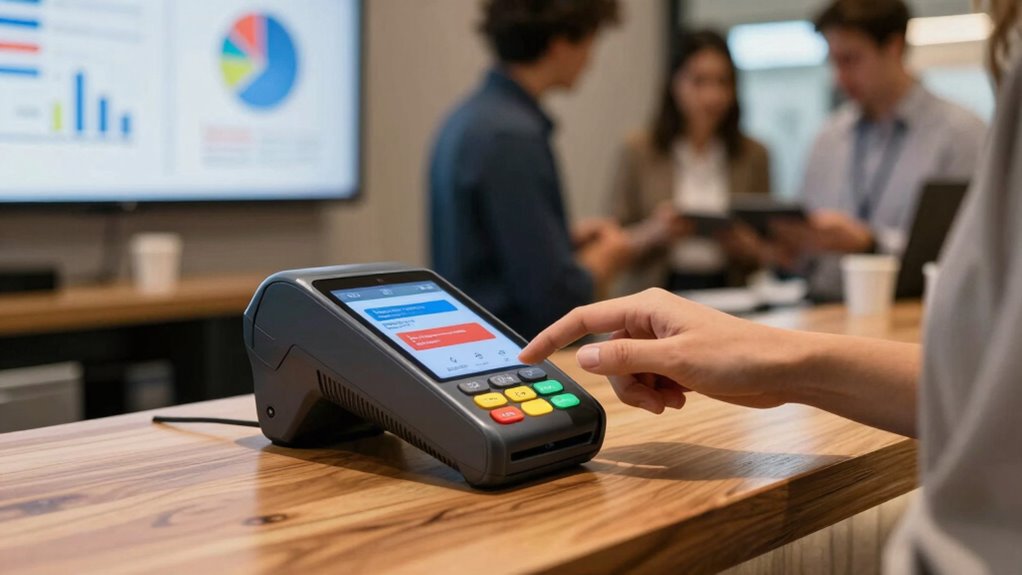

To design better fallback paths, you should anticipate common failure points like network issues or declined transactions and craft clear, user-friendly messages that explain the situation without technical jargon. Offer multiple payment options and automated retries to reduce frustration, and communicate transparently about ongoing issues to build trust. Regularly analyze errors and customer feedback to improve your responses. If you want practical strategies to enhance your fallback systems, continue exploring proven approaches to boosting user experience during failures.

Get business pricing on office and shipping supplies
- Business-only prices and quantity discounts
- Tax-exempt purchasing
- Multiple users, one account, clear invoices
Key Takeaways
- Identify common failure points and craft specific, user-friendly responses for each scenario.
- Offer multiple payment options and automated retries to minimize user frustration.
- Communicate transparently about issues and support channels to maintain trust.
- Regularly analyze error data to refine fallback strategies and improve reliability.
- Design intuitive, clear messaging and options to guide users smoothly during payment failures.
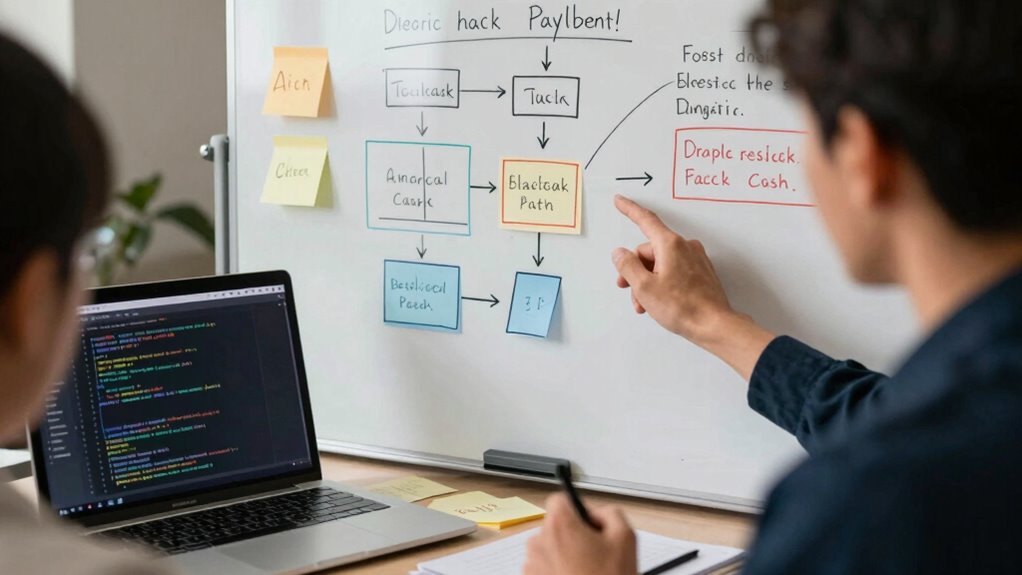
When payment systems encounter failures, having well-designed fallback strategies can mean the difference between a seamless customer experience and lost revenue. You need to prioritize creating a smooth user experience, even when things go wrong. Clear, intuitive error handling becomes vital in guiding your customers through issues without frustration or confusion. Instead of leaving users stranded with cryptic messages, you should implement fallback paths that reassure them and keep the transaction process moving forward. This not only maintains trust but also minimizes the risk of cart abandonment.
Effective error handling starts with understanding potential failure points in your payment flow. You should anticipate common issues, such as network disruptions, declined transactions, or payment gateway errors, and craft specific responses for each scenario. When a payment fails, immediately display a user-friendly message explaining what happened without technical jargon. Offer clear options, such as retrying the payment, choosing an alternative method, or contacting support. This approach helps keep the user engaged and prevents frustration from mounting. Incorporating error resolution strategies can further enhance how swiftly issues are addressed and resolved. Regular monitoring and analysis of these errors can help identify patterns and improve your fallback processes over time.
Anticipate issues like network disruptions or gateway errors and respond with clear, user-friendly messages and options to stay engaged.
Designing fallback paths also involves providing multiple payment options. If one method fails, your system should seamlessly suggest alternatives—like switching from a credit card to a digital wallet or bank transfer—without forcing the customer to start over. This flexibility enhances the user experience by reducing friction and accommodating different preferences. Additionally, you should consider implementing automated retries with appropriate delays or prompts, so users don’t have to manually re-enter data repeatedly.
Another essential aspect is transparency. When errors occur, inform your customers about what’s happening behind the scenes. For example, if you’re experiencing technical issues, let them know that you’re working on resolving the problem and appreciate their patience. This builds trust and reassures users that you’re actively managing the situation. Furthermore, providing easy access to support channels—like live chat or a help center—can turn a negative experience into a positive one, showing that you care about resolving issues promptly. Incorporating customer communication best practices can significantly improve user perceptions during problematic moments.
Finally, analyze failure patterns regularly to refine your fallback strategies. Use error logs and customer feedback to identify recurring problems and improve error handling processes. A proactive approach ensures that your system adapts to new challenges and continues delivering a high-quality user experience, even during outages or glitches. Recognizing the importance of color accuracy and other visual factors can also help optimize how users perceive your website’s reliability and professionalism. When you focus on seamless error handling and well-designed fallback paths, you create a resilient payment system that keeps customers satisfied and your revenue protected.
As an affiliate, we earn on qualifying purchases.
Frequently Asked Questions
How Do Fallback Paths Impact Overall User Experience?
Fallback paths profoundly impact your overall user experience by ensuring smooth error handling and maintaining user reassurance. When payment errors occur, clear and accessible fallback options help users feel confident that they can complete their transactions without frustration. By designing thoughtful fallback paths, you reduce abandonment rates, foster trust, and keep users engaged, even when issues arise. This proactive approach makes your platform more reliable and user-friendly, encouraging repeat business.
What Metrics Should Be Tracked During Fallback Scenarios?
During fallback scenarios, you should track metrics like transaction failure rates and error messaging effectiveness. These indicators reveal how often fallback paths are triggered and whether users receive clear, helpful error messages. Monitoring these metrics helps you identify pain points, improve error communication, and optimize fallback strategies. By doing so, you guarantee a smoother user experience, reduce frustration, and increase the likelihood of successful transactions despite failures.
How Can Fallback Options Be Personalized for Different Users?
Think of fallback options like tailored suits—each one fitting different users perfectly. By leveraging user segmentation, you recognize unique payment behaviors and preferences. Personalization techniques then allow you to customize fallback paths, offering alternative methods that resonate with individual users. This approach guarantees smoother transactions, reduces frustration, and builds trust, making each user feel understood and valued, much like a bespoke suit that fits just right.
What Are Common Pitfalls in Designing Fallback Paths?
You might overlook error handling details or fail to communicate clearly during fallback paths, leading to user frustration. Common pitfalls include not providing transparent, timely user communication, which causes confusion or mistrust. Additionally, designing rigid fallback options that don’t adapt to different scenarios can trap users in loops or dead ends. Always guarantee your fallback paths are flexible, well-communicated, and handle errors gracefully to keep users engaged and informed.
How Do Fallback Strategies Differ Across Payment Methods?
Imagine fallback strategies as a superhero cape—each payment method wears a different one. For card payments, you prioritize seamless error recovery, offering alternative workflows like retry options or tokenized payments. Digital wallets focus on quick, smooth shifts to bank transfers, while cryptocurrencies might require manual intervention. Tailoring fallback paths ensures users aren’t stranded, reducing frustration and boosting conversions across diverse methods. Your goal is to create resilient, adaptive error recovery strategies for every payment type.
As an affiliate, we earn on qualifying purchases.
Conclusion
By crafting smarter fallback paths, you’re not just covering your bases—you’re building trust and resilience with your users. Remember, it’s better to be safe than sorry, especially when payment issues strike. Keep testing, refining, and staying prepared for the unexpected; it’s all part of the game. When you prioritize seamless experiences, you turn potential setbacks into opportunities for loyalty. In the end, a well-designed fallback is your safety net—so don’t let it slip through your fingers.
user-friendly payment error messages
As an affiliate, we earn on qualifying purchases.
As an affiliate, we earn on qualifying purchases.
payment gateway error handling tools
As an affiliate, we earn on qualifying purchases.
As an affiliate, we earn on qualifying purchases.
Fall Picks
fall essentials
As an affiliate, we earn on qualifying purchases.