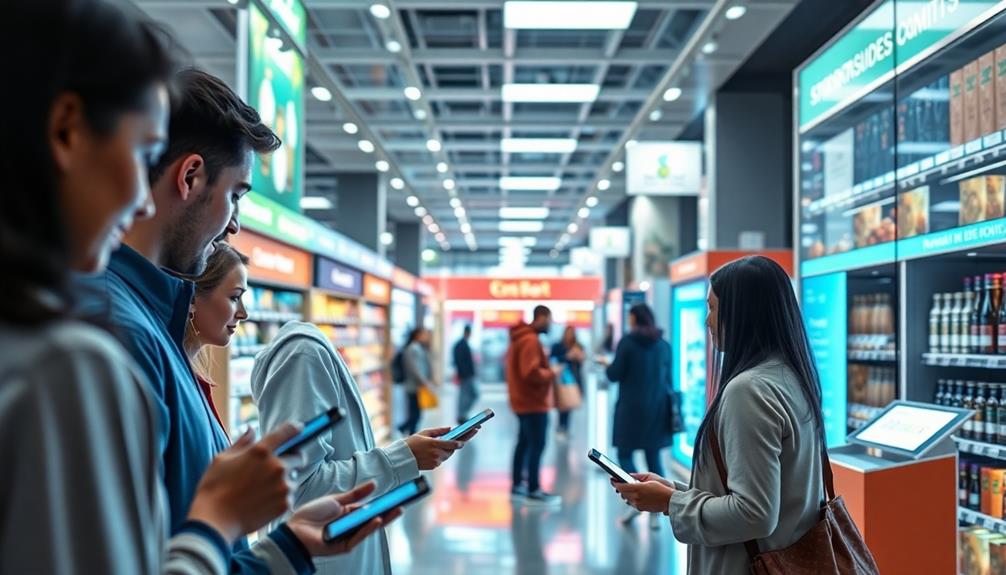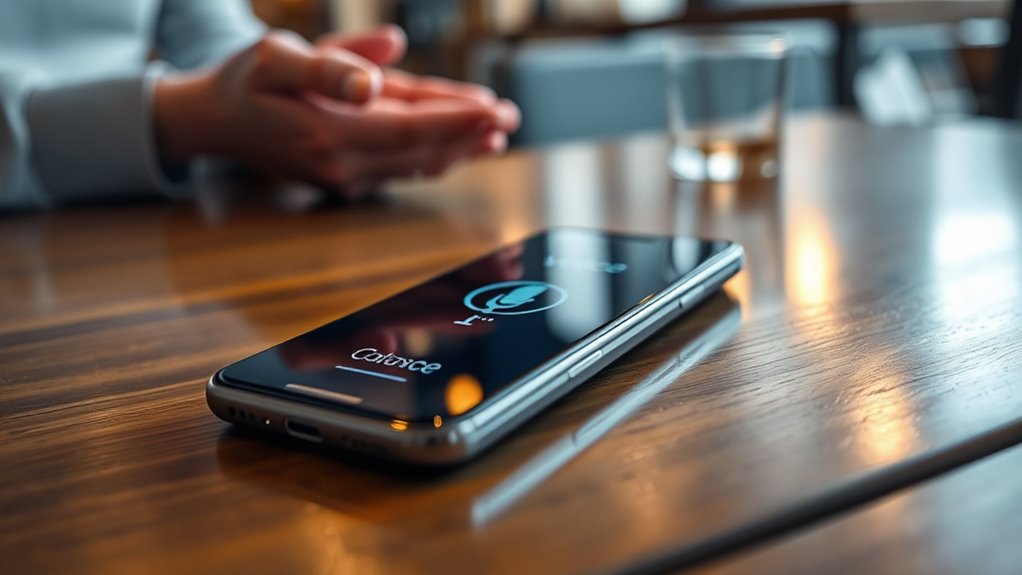

Voice payments are evolving rapidly, offering convenience and speed in transactions. However, you should be aware that security concerns like hacking and impersonation pose real risks, making trust essential for mainstream acceptance. Companies are working on biometric verification and multi-factor authentication to address these issues. As confidence and security improve, voice payments could become a routine part of your financial life. Keep exploring to understand how these advancements might impact your payment options.
Key Takeaways
- Growing adoption indicates increased acceptance, but security concerns still hinder widespread mainstream use.
- Advances in biometric and voice recognition are enhancing security, building user trust.
- Privacy issues and user comfort, especially among older or less tech-savvy groups, impact adoption rates.
- Ongoing technological innovations aim to address security vulnerabilities and improve confidence.
- Mainstream integration depends on overcoming security hurdles, building trust, and ensuring user-friendly experiences.
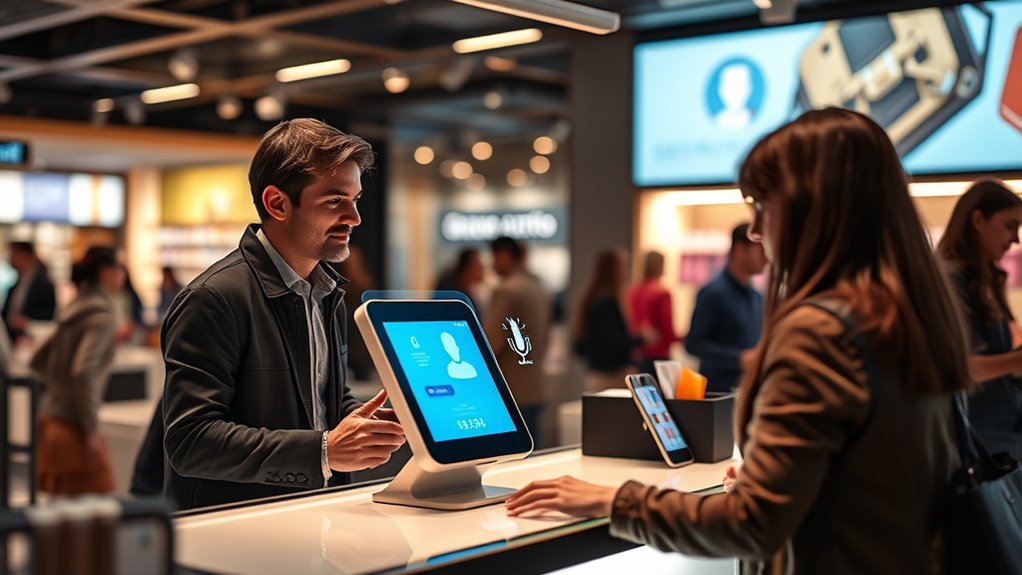
Have you ever wondered how voice technology is transforming the way you make payments? As more people embrace voice payments, it’s clear that this innovation is changing the financial landscape. But before voice payments become mainstream, several hurdles need to be addressed, especially around security concerns and user adoption. These issues determine whether this technology will gain widespread trust and usage.
Security concerns are at the forefront of many people’s minds when it comes to voice payments. You might worry about unauthorized transactions or someone eavesdropping on your voice commands. Unlike traditional PINs or card details, voice commands can be more vulnerable to hacking or impersonation if not properly secured. Companies are working on solutions like biometric verification and voice recognition to confirm that it’s really you making the payment. These measures help reduce fraud risks, but concerns still linger, especially among those unfamiliar with this technology. For some users, the idea of their voice being a security vulnerability makes them hesitant to adopt voice payments. They want assurance that their financial data is safe and that their voice won’t be easily spoofed or intercepted. This skepticism can slow down user adoption, as trust is essential for any new payment method to thrive.
On the other hand, user adoption depends heavily on how comfortable people feel with speaking their payment details aloud. For many, using their voice to buy coffee or pay bills seems convenient and quick, but others may feel self-conscious or unsure about privacy. If voice assistants are used in public or shared spaces, you might worry about exposing sensitive information. This discomfort can hinder adoption, especially among older adults or those less familiar with voice technology. To overcome this, companies are designing more discreet and secure ways to use voice payments, such as requiring voice recognition or multi-factor authentication. Education plays a crucial role too; as more people learn how secure and easy voice payments are, they’re more likely to try them out. Demonstrating that voice payments are just as safe as traditional methods, with added convenience, is key to boosting user confidence.
Ultimately, widespread acceptance hinges on addressing both security concerns and user adoption. When you feel confident that your voice payments are protected and find the process straightforward, you’re more likely to give it a try. As technology advances and trust builds, voice payments could become an everyday part of your financial routine. But until security measures are foolproof and users feel comfortable, mainstream adoption will remain gradual. The journey to making voice payments a standard option is ongoing, and it’s clear that overcoming these challenges is essential for its success.
Frequently Asked Questions
How Secure Are Voice Payment Transactions Against Hacking?
Voice payment transactions are becoming more secure thanks to advancements in voice authentication and transaction encryption. You can trust that your voice data is protected with sophisticated algorithms that verify your identity, making it harder for hackers to access your information. Additionally, encryption ensures your transaction details stay private during processing. While no system is completely foolproof, these security measures greatly reduce the risk of hacking, giving you more confidence in voice payments.
Can Voice Payments Be Used Internationally Without Restrictions?
You can use voice payments internationally, but restrictions depend on the service provider. About 60% of users face language barriers or cultural differences that hinder seamless transactions abroad. These factors can cause misunderstandings or delays, especially if voice recognition struggles with accents or dialects. To avoid issues, check if the platform supports multiple languages and is compliant with local regulations, ensuring smoother international transactions.
What Are the Privacy Implications of Using Voice Payment Systems?
You should be aware that using voice payment systems raises privacy concerns, especially around voice biometric data. If this sensitive data isn’t protected with strong data encryption, it could be vulnerable to hacking or misuse. Always review the privacy policies of the system you’re using to guarantee your voice biometric information is securely stored and encrypted, safeguarding your personal details from potential threats.
How Do Voice Payments Compare Cost-Wise to Traditional Methods?
Think of voice payments like your own personal Jarvis—quick and seamless. They often have lower transaction fees than traditional methods, saving you money. However, the costs depend on the platform and provider. Voice recognition technology helps streamline purchases, but keep an eye on fees that could add up. Overall, if you choose the right service, voice payments can be a cost-effective alternative, especially for frequent transactions.
Are Voice Payments Accessible for People With Disabilities?
Yes, voice payments can improve accessibility for people with disabilities by integrating assistive technology. They help overcome accessibility barriers like difficulty typing or using traditional screens. However, you might still face challenges if voice recognition isn’t accurate or if devices lack necessary features. To maximize benefits, guarantee the technology supports your specific needs and remains user-friendly, making transactions easier and more inclusive.
Conclusion
As voice payments become more mainstream, it’s clear they’re here to stay. Did you know that by 2025, over 75% of smart device owners are expected to use voice payments regularly? That’s a huge leap from today’s numbers. So, if you haven’t tried it yet, now’s the time. Embrace the convenience and security they offer—voice payments are shaping the future of how you shop, pay, and manage your money every day.